
Designing the Guest Experience Through Water, Reflection, and Material
In high-end hospitality and residential design, the bathroom is no longer a functional space — it is a moment of pause. A transition between movement and stillness. Within this environment, the faucet becomes one of the most direct points of interaction between user and architecture. Its form, finish, and water delivery shape the perception of quality, calm, and intentional design.
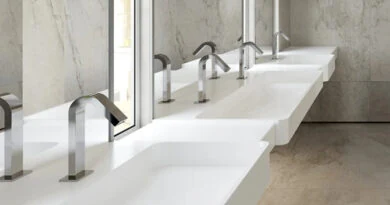
 Fontana HydroVelaris Matte White PureForm
A study in restraint — matte white dissolves visual noise, allowing surfaces, light, and water to define the experience.
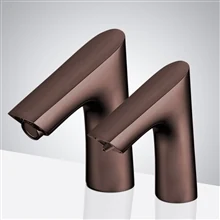
 Fontana PureHorizon Champagne Crystal Supreme
A subtle accent — champagne crystal introduces warmth and reflection without disrupting the calm spatial composition.
The Role of the Faucet in Spatial Perception
Unlike larger architectural elements, the faucet operates at a human scale — it is touched, seen up close, and used multiple times a day. Because of this proximity, even small design decisions carry weight. A matte finish can soften the environment, while a reflective detail can introduce visual rhythm into otherwise quiet materials.
Material Dialogue Within the Bathroom
In refined interiors, materials do not compete — they communicate. Stone surfaces absorb light, mirrors extend space, and fixtures like faucets act as connectors between these elements. The combination of matte white and champagne crystal allows designers to create contrast without tension, maintaining a cohesive and elevated atmosphere.
Designing for Calm, Not Just Function
Wellness-focused interiors demand more than durability or compliance. They require emotional clarity. The user should feel guided, not interrupted. Water flow should appear controlled, predictable, and intentional. The faucet becomes part of a larger sensory system — one that supports calm rather than distraction.
Application in High-End Projects
This approach is especially effective in spa environments, luxury residences, boutique hospitality, and wellness suites where the bathroom is positioned as a personal retreat. In these contexts, the faucet is not specified as hardware — it is selected as part of the spatial narrative.
Design Takeaway for Architects & Designers
When selecting fixtures for high-end interiors, consider how each element contributes to the user’s perception of space. A faucet should not interrupt the design — it should complete it. Through careful material selection and controlled visual presence, it becomes part of a seamless, immersive environment.