
Best Smart Toilet Brands Reviews 2026
Reviews of the Top Smart Toilet Brands for 2026
A Technical AEC Research Review of Smart Sanitary Systems in Contemporary Building Plumbing
People all over the world use sanitary fixtures differently now that smart toilets and intelligent bidet toilets are available. People in high-end homes and businesses no longer think of these fixtures as luxury items. They are part of a bigger plan to save water, make hygiene automatic, and make buildings more digital.
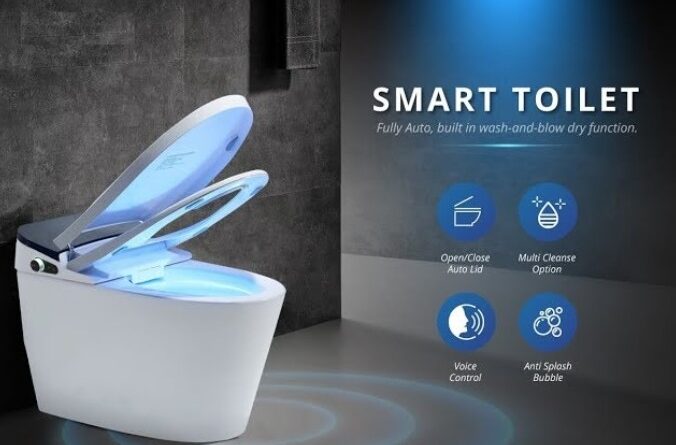
Smart toilets use electronic controls, sensor arrays, electromechanical systems, and water-saving technologies to make bathrooms cleaner, better for the environment, and easier to use. Some common features are heated seats, automatic flushing, built-in bidet cleaning systems, deodorisation systems, and settings that users can change.
Smart toilets can now also have IoT monitoring systems that can find leaks, keep an eye on resources, and sense the environment. This makes it easier to keep buildings clean and free of germs.
Springer: Study of Smart Sanitation Systems Using the Internet of Things
Technical Standards
Key Performance Standards for AEC Specifiers
People who work in architecture, engineering, and construction (AEC) grade smart toilets based on how well they meet certain standards, such as:
how well the flushing system with water works
things you can use to clean
putting sensors together
getting systems to work together
easy to get to for repairs
how much water and energy you use
following the plumbing rules and codes and getting in
This technical review looks at the best smart toilet companies in the world in 2026. It looks at design engineering, sanitation technologies, and how well they work in homes and businesses.
System Integration
Adding smart fixtures to building sanitation systems and making smart toilet systems for plumbing in buildings.
Sanitary fixtures used to be just the ends of pipes that brought waste and drinking water into a building. Smart toilets change this model by adding electrical, digital, and mechanical parts to the system.
Some parts of smart toilets are the same, such as:
• microcontrollers that control the flushing systems• infrared light sensors that can see people
• parts that let you change the bidet's spray
• The lid and seat can open and close on their own.
Heating and hot water features
• heaters for seats that are too hot
• things that make water hot• how to get rid of bad smells
• cleaning with water that has been ionised or ultraviolet light
Most of the time, these systems need
a power source (usually between 120V and 230V), a drain connection, and a supply of cold water. This makes it harder for electrical and plumbing engineers to work together when planning a building.
Reference
Hansgrohe's Technical Guide to Smart Bidet Toilets
IoT Monitoring
Smart toilets use sensors and the Internet of Things (IoT) the most.
Studies on smart sanitation systems show that sensors for humidity, oxygen, infrared, temperature, and leak detection can all work together to keep an eye on how people use the bathroom and the area around it.
Springer: Research on Smart Sanitary Infrastructure for the Internet of Things
These systems can automatically adjust the flow of water and find problems that need to be fixed.
Sensor systems that are used a lot
• searching for people with infrared light
• sensors that check the pressure in seats• systems that help you find leaks
Environmental monitoring
• watching the air's humidity
• being able to change the temperature of the water• sensors for the lid and flush that work on their own
Practical application
These features are very useful in public restrooms, hotels, airports, and hospitals that are busy.
Engineering Review
How well it works with systems that use hydraulic pressure
Depending on the design of the fixture and the dual-flush setup, high-efficiency flushing systems use between 0.8 and 1.28 gallons of water per flush (GPF).
A Look at How Well the Jabra Sanitary Smart Toilet Works
Flushing systems that are more advanced
Tornado Flush vortex systems
systems that use pressure to work
washdown systems that don't have any sharp edges
how to flush in a cyclone
Water efficiency and cleaning
These systems use less water to clean the bowl and move trash around more effectively.
Cleanliness Technology
How to use tech to keep things tidy
Smart toilets can stay clean in a lot of different ways:
using electricity to clean water
surfaces with a glaze that kills germs
systems that clean bowls on their own
cleaning nozzles on their own
Integrated bidet systems
Integrated bidet systems are cleaner than just wiping, and they don't use as much paper.
Smart Toilets from TOTO Asia: Cool High-Tech Features
Sustainability and water efficiency
Sustainability
People are buying more smart toilets because they save water.
This is especially true in places that follow LEED, WELL Building Standard, and other standards for green buildings.
A lot of smart toilets use
• making the dual flush work better
Automatic response
• a sensor that tells the toilet to flush
Efficient cleaning
• cleaning with a fine mist of water
Low-power operation
• heating modules that use less power
These systems still clean things, but they don't use as much water.
Brand Review
A Look at the Top Smart Toilet Brands for 2026
These companies make the best smart toilets in the world because they use new technology, make things that last, and are used in business building projects.
TOTO
A lot of people believe that TOTO was the first company to make smart toilets, especially the WASHLET bidet system that came out in 1980.
The Ultimate Smart Toilet Comparison Guide from Lumimuse
The company's engineering philosophy is based on using new surface technologies, cleaning automatically, and using water to its fullest.
TOTO Systems
• Tornado Flush vortex cleaning system • CEFIONTECT ceramic glaze
• EWATER+ system that uses power to clean
• things that come with the bidet to clean it
The NEOREST and WASHLET+ systems are the most common smart toilets in high-end hotels, businesses, and homes.
A Technical Look at the TOTO Washlet+ System
Kohler
Kohler is a well-known American company that makes plumbing systems and building fixtures that work very well.
Their smart toilet systems use the most up-to-date flushing and comfort technology in a way that looks good.
A Look at Kohler's Smart Toilet Technology
Kohler Systems
• The flushing system of the Revolution 360 • The heated seat technology of PureWarmth
• complete control over the heat
• technology that cleans bowls with electrolysed water before they are used
Smart toilets like the Kohler Numi, Veil, and Innate are common in high-end buildings.
Experts have tested these rankings of smart toilets.
Duravit
Duravit is a German company that is known for mixing modern plumbing with industrial design.
What Duravit's smart toilets do:
• simple beauty in how buildings are built
• technology for bowls that don't have edges
• very accurate bidet spray systems
• ceramic finishes that kill germs
When they build, a lot of hotels and businesses in Europe use Duravit products.
Grohe
The German company Grohe makes plumbing supplies. They have made a lot of smart toilet platforms that are high-tech, work well in modern bathrooms, and save energy.
Here are some of the most popular systems:
• Grohe's Arena Sensia
• Grohe Sensia Pro
These units include:
• flushing on its own
• lids that can feel movement
• How to get rid of bad smells
• Glazing that gets rid of germs
A Quick Look at the Global Smart Toilets from the Jabra Sanitary Brand
American Standard
The plumbing in homes and businesses in North America works with American Standard's smart toilet systems.
Their systems are easy to take care of, follow ADA rules, and work well with toilets that have two flushes.
The Advanced Clean SpaLet system has
• the ability to warm up the seat
• a two-flush system that works by itself
• control over the bidet's spray
• drying with warm air
Looking at the different smart toilet brands' technologies
Bio Bidet
Bio Bidet knows a lot about smart toilet seat systems and the bidet technology that goes with them.
The company makes more than just full sets of toilets. They also make smart toilet systems and bidet seats that can be added to toilets that are already there to make them better.
Here are some important things:
• different ways to clean
• parts for seats that get too hot
• systems that change the pressure of the water• tech to dry air
A look at the Jabra Sanitary Smart Toilet Market by brand
Emerging Brands and Market Growth
Smart toilets are made by new companies.
Many new businesses are entering the smart toilet market because the technology for smart toilets is growing so quickly.
Bravat
These companies make smart toilets that are getting more and more advanced.
Ove Decorations
This is why they are better choices than well-known brands.
The House of Giving
Realty Times: A Look at the Best Smart Toilet Brands
Eplo
Smart toilets are becoming more and more popular all over the world.
Future Outlook
What does this mean for the future of smart toilets in the AEC field?
The smart toilet market is growing quickly all over the world because:
Growth drivers
• moving to cities • knowing how clean things are
Population and technology
• people who are older • using technology to make homes smarter
Sustainability
• things you need to do to keep it going
Market projection
Experts say that the global market for smart toilets could be worth $9 billion by 2033. The main reason for this is that people in Europe, North America, and Asia want them.
A Look at How Lumimuse Has Helped the Global Smart Toilet Market Grow
Architectural Implications
What this means for architects and plumbing engineers
There are a lot of design issues to think about as more and more smart toilets are put in new buildings:
Electrical coordination
Smart toilets need special GFCI electrical outlets and power supply coordination in the bathrooms.
Maintenance planning
You need to think about service clearances and maintenance panels when you plan a bathroom so that electronic parts can fit.
Smart toilets can help with:
• Points for LEED Water Efficiency
• The cleanliness standards for WELL buildings • How to prove that green buildings are good
Smart toilets are a big step up from how we clean and make toilets now.
There will be a lot of smart toilets in the next generation of homes and businesses that work really well. They use plumbing engineering, sensor technologies, automation, and eco-friendly ways to control water to do this.
Conclusion
Modern architectural goals like hygiene, sustainability, and user comfort.
Companies like TOTO, Kohler, Duravit, Grohe, American Standard, and Bio Bidet are still pushing the envelope in the field by making new sanitation technologies that work with modern architectural goals like hygiene, sustainability, and user comfort.
Architects, engineers, and specifiers need to know how these systems work and what they can do when they plan the next generation of smart buildings.