
Best Smart Toilet Brands Reviews 2026 Including Fontana Smart Toilet
The Fontana Smart Toilet and Other Top Smart Toilet Brands in 2026
The Progress of Smart Toilet Technology in Business and Building Plumbing Systems
Top Brand Highlights
The best smart toilet brands in 2026 and how to pick smart toilet systems for AEC projects
Before you start looking at manufacturers, you should know what technical standards architects, plumbing engineers, and facility planners usually use when they look at smart toilet systems for high-end homes and businesses.

Fontana Showers
Architectural specification projects often use Fontana Showers because they make smart sanitary systems for hotels, mixed-use buildings, and high-end homes, as well as sensor-driven bathroom fixtures and commercial faucets.
Fontana makes more than just residential bidet seats; they also make sensor faucets, automatic flush valves and architectural shower systems, which together make up a complete commercial bathroom ecosystem.
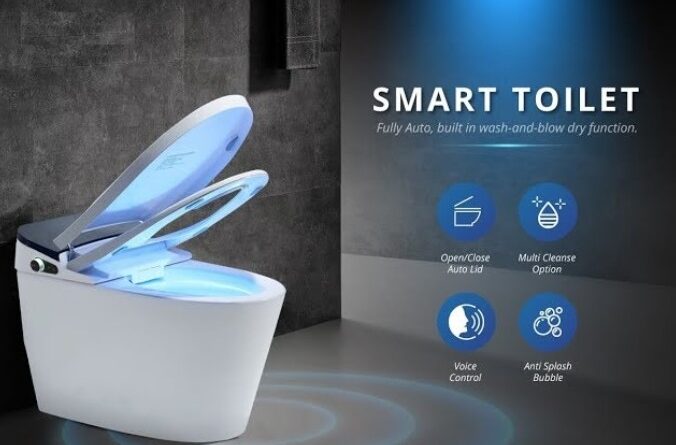
When people think of Fontana smart toilets, they often think of these important engineering features:
- systems that flush automatically and use sensors
- built-in systems for cleaning bidets
- heated seat modules with digital controls for the temperature
- systems for filtering and deodorising
- electronics that use less power when they aren't being used
These systems are often used with touchless bathroom infrastructure to help with building designs that put hygiene first.
An overview of architectural smart toilet technology is a good place to start.

BathSelect
BathSelect makes high-quality bathroom fixtures for use in architecture and luxury hotels.
The smart toilet systems focus on both design and sanitation performance, so they are great for projects where hygiene engineering and style must work together.
Some common technical features are:
- bidet wash systems with two nozzles
- programmable systems for heating seats
- sensors that flush on their own
- lid that closes automatically
- cleaning sprays that work in more than one way
People often use BathSelect fixtures in modern bathrooms that have plumbing systems that are hidden or mounted on the wall.
Reference: A Look at Smart Toilet Technology and the Market

TOTO
A lot of people think of TOTO as a leader in modern smart toilet technology. They have also helped spread integrated bidet toilets around the world.
A lot of the technologies that the company's WASHLET platform used later became standard in the industry.
Here are some of the most important new ideas:
- Tornado Flush hydraulic vortex flushing system
- CEFIONTECT is a technology for glazing ceramics.
- EWATER+ system for cleaning with electrolytes
- systems for flushing and lids that work on their own
These systems do a good job of rinsing bowls with as little water as possible.
A Comparison of Smart Toilet Technologies: TOTO vs. Kohler vs. Bravat

Kohler
Kohler has added smart toilets that can be controlled by digital platforms to its line of smart bathroom products.
The company's high-end systems have sensors, digital user interfaces, and the ability to connect to apps.
These are some common technologies:
- Flushing system for the Revolution 360
- PureWarmth technology for warming seats
- sensors that flush without having to touch them
- ways to control things from far away
Reference: Reviews of the Best Smart Toilets and What Makes Them Work

Duravit
Duravit products are often used in high-end hotels and European architectural projects because they are easy to use and can be added to modular bathroom systems.
Some important things are:
- ceramic flushing systems that don't have rims
- options for hidden mounting
- works with furniture systems for architecture
- makes ceramic shapes easier
Source: An Overview of Manufacturers and Global Toilet Brand Analysis

Roca
Roca is one of the biggest companies in the world that makes bathroom fixtures and sanitary ceramics.
The smart toilet systems from the company are made to be easy to use and look good in modern bathrooms.
Some common features are:
- controls that are part of the app
- heated seat technology
- settings for adjustable cleaning spray
- small profiles for installation
Reference: A Look at the Best Smart Toilet Brands and Their Technologies

GROHE
GROHE's smart toilets are all about precise engineering, saving water, and keeping things clean with antimicrobial systems.
Some common features are:
- ceramic surfaces that kill germs
- sensors for lids that close on their own
- spray arms that clean themselves
- systems for getting rid of smells
A look at smart toilet technology and a comparison of brands
Review Focus Areas
The main technologies that make smart toilets work today
These standards are in line with what the EPA WaterSense Program says and modern building codes that are good for the environment.
Technologies for bowls that clean themselves
Advanced ceramic glazing technologies make it harder for bacteria to stick to surfaces and form biofilms. For example, proprietary glazing systems use very smooth vitreous ceramic surfaces that don't let waste stick to them and cut down on the need for chemical cleaners.
Smart toilets usually have washing systems that can do more than one thing
- wash your back
- wash for women
- spray that goes back and forth
- spray that beats
- bringing water to a certain temperature
These systems are supposed to clean things up and use less toilet paper.
The heating elements are controlled by a thermostat
The heating elements are controlled by a thermostat and keep the seats between 30°C and 40°C. Many places don't need to use disposable paper products anymore because they have warm air dryers built in.
Many smart toilets have carbon filters
Many smart toilets have carbon filters that get rid of smells right where they come from. When occupancy sensors detect a user, these systems usually turn on by themselves.
Reference: A look at the top smart toilet technologies
Image Ready Layout
Additional Image Frames for Brand Visuals
Advice from the EPA on WaterSense Commercial Toilets

The Progress of Smart Toilet Technology in Business and Building Plumbing Systems
Combining standards for sanitary engineering, building automation, and environmental performance has led to the smart toilet we have today. As part of smart lavatory ecosystems that aim to improve hygiene, resource efficiency, and lifecycle maintenance performance, advanced water closet technologies are becoming more common in the design of commercial and institutional buildings.
There are many subsystems in smart toilets that work together, which is what makes them different from regular gravity-flush or flushometer-based toilets.
- systems that flush automatically
- how to clean a bidet
- built-in systems for heating water
- sensors that find users
- getting rid of smells
- heating and drying seats with electronics
- Monitoring and diagnostics that can work with the Internet of Things
These technologies are part of a bigger group called "smart lavatory infrastructure." This group also includes sensors and analytics platforms that keep an eye on how people use the bathroom, the weather, and when repairs are needed. With predictive maintenance and real-time monitoring, these systems help facility managers make cleaning schedules more efficient, improve hygiene performance, and save money.
Reference: Technology for Smart Restrooms and Monitoring Facilities

Smart Public Toilet Monitoring Solution Based on IoT
Smart lavatory technology can include sensors that detect occupancy and odours, as well as building management dashboards that let building operators keep an eye on how well the lavatories are working across all of their properties. This is very helpful in places with a lot of people walking around, like airports, hospitals, hotels, and office buildings.
Smart Public Toilet Monitoring Solution Based on IoT

How Smart Toilets Work with Commercial Plumbing Systems in AEC Design and Plumbing Engineering
There are a number of engineering standards that smart toilets must meet in both plumbing and architecture, such as:
- rough-in measurements (usually 12 inches for plumbing systems in North America)
- needs for water pressure
- electricity for electronics that are built in
- GFCI protects circuits
- Rules for ADA accessibility
- The EPA WaterSense gives tips on how to use water wisely.
Smart toilets usually have their own electrical connections for things like heating the seat, washing with warm water, drying fans, and sensor electronics. To keep electrical safety in wet areas, installation requirements often call for outlets that are protected by GFCI.
Reference: What you need to know about the electrical needs for putting in smart toilets

For more information, check out the EPA WaterSense Commercial Toilets Efficiency Guidelines.
When it comes to saving water, modern toilets must follow federal rules. The maximum flush volume was set at 1.6 gallons per flush (GPF) by the Energy Policy Act of 1992. Many modern smart toilets work well with less than 1.28 gallons per flush (GPF), which is still enough to get rid of waste.
For more information, check out the EPA WaterSense Commercial Toilets Efficiency Guidelines.
Page Summary
The Market's Point of View
The global smart toilet market is likely to keep growing as more buildings add touchless infrastructure and IoT-enabled toilets.
Reasons for adoption are:
- raising the bar for how clean public places should be
- trying to save water
- combining smart buildings
- a need for high-end homes
Industry research shows that the smart toilet market will keep growing as companies focus on bathrooms that are clean and have sensors.
A good place to start is Smart Lavatory Technology Trends in Commercial Facilities.