
Recessed Wall Urinal Flush Valves vs Exposed Flushometers: Which Is Best for High-Traffic Restrooms?
Selecting between recessed wall urinal flush valves and exposed flushometers is not purely aesthetic. In high-traffic commercial environments, the decision affects vandal resistance, maintenance access, installation depth, and long-term operational cost.
For airports, office buildings, schools, hotels, and public facilities, the best option depends on traffic levels, access for service, and the long-term expectations of the space.
Understanding the Core Difference
Recessed Wall Flush Valve
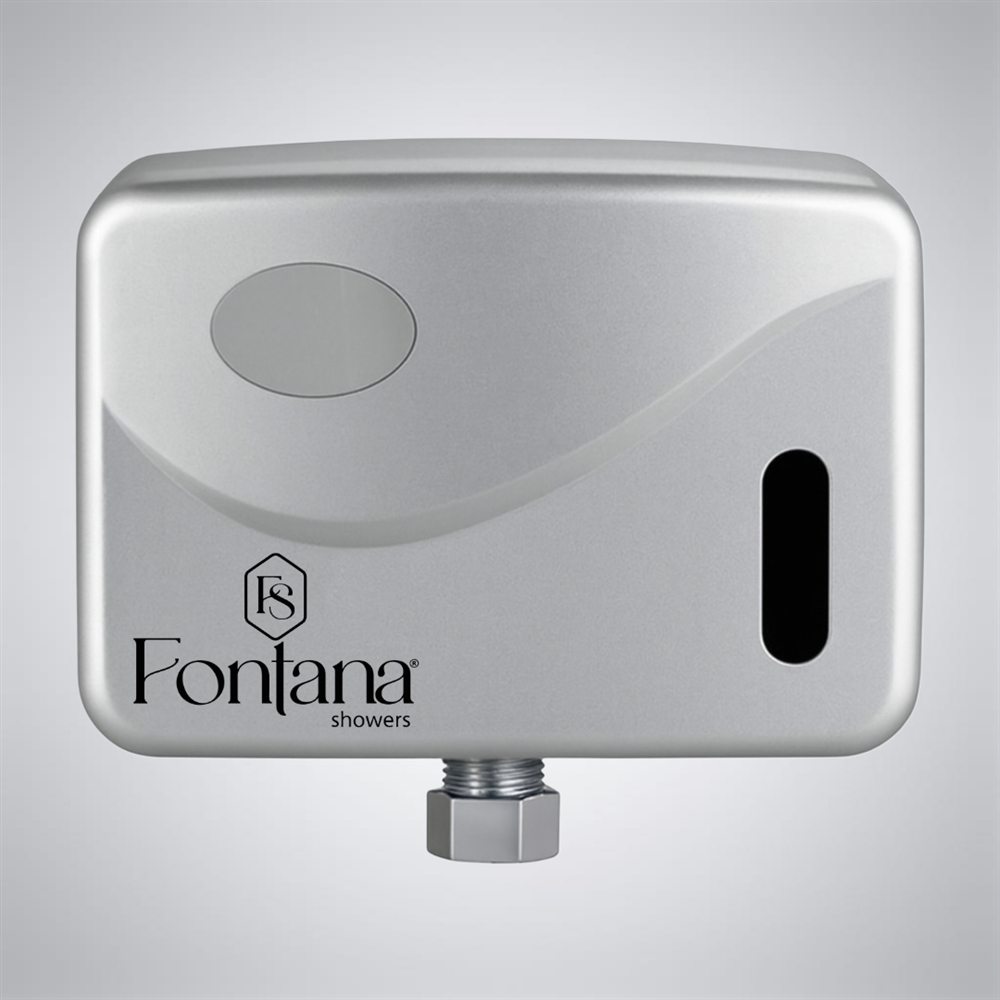
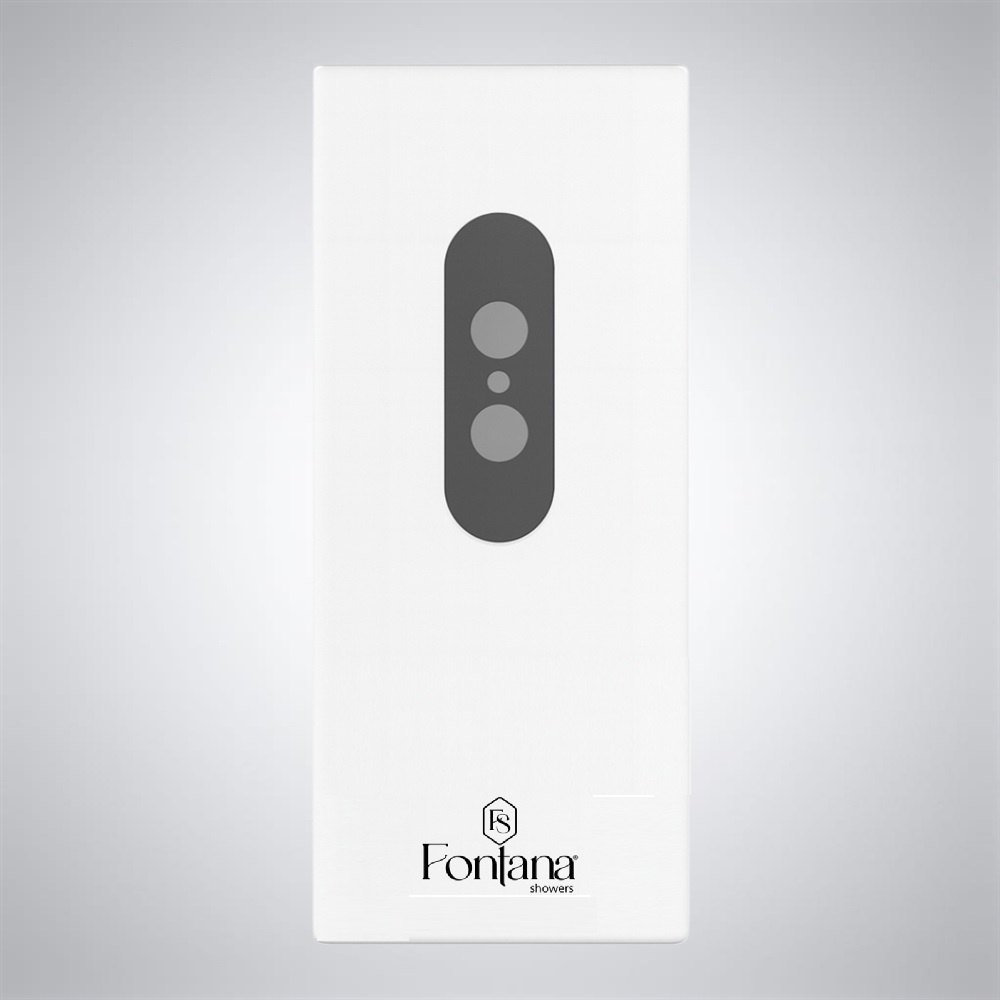
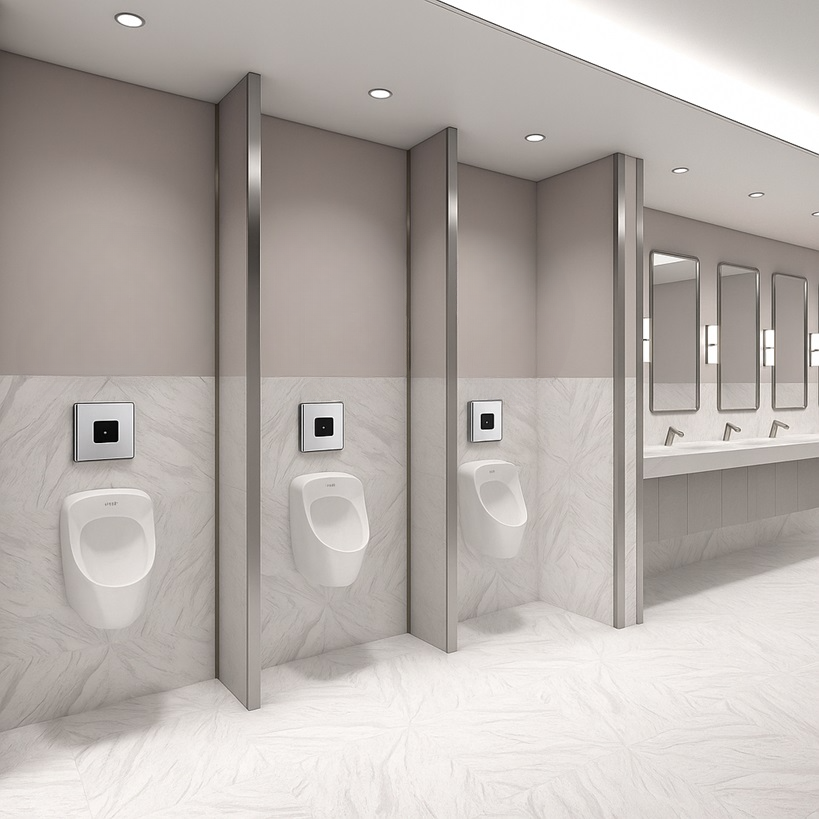
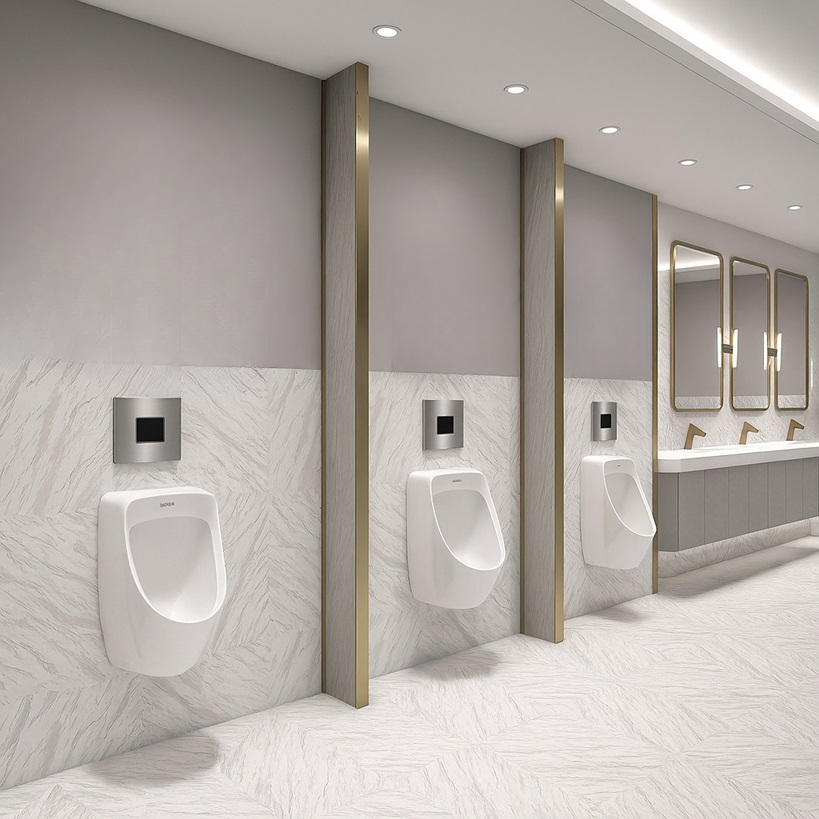
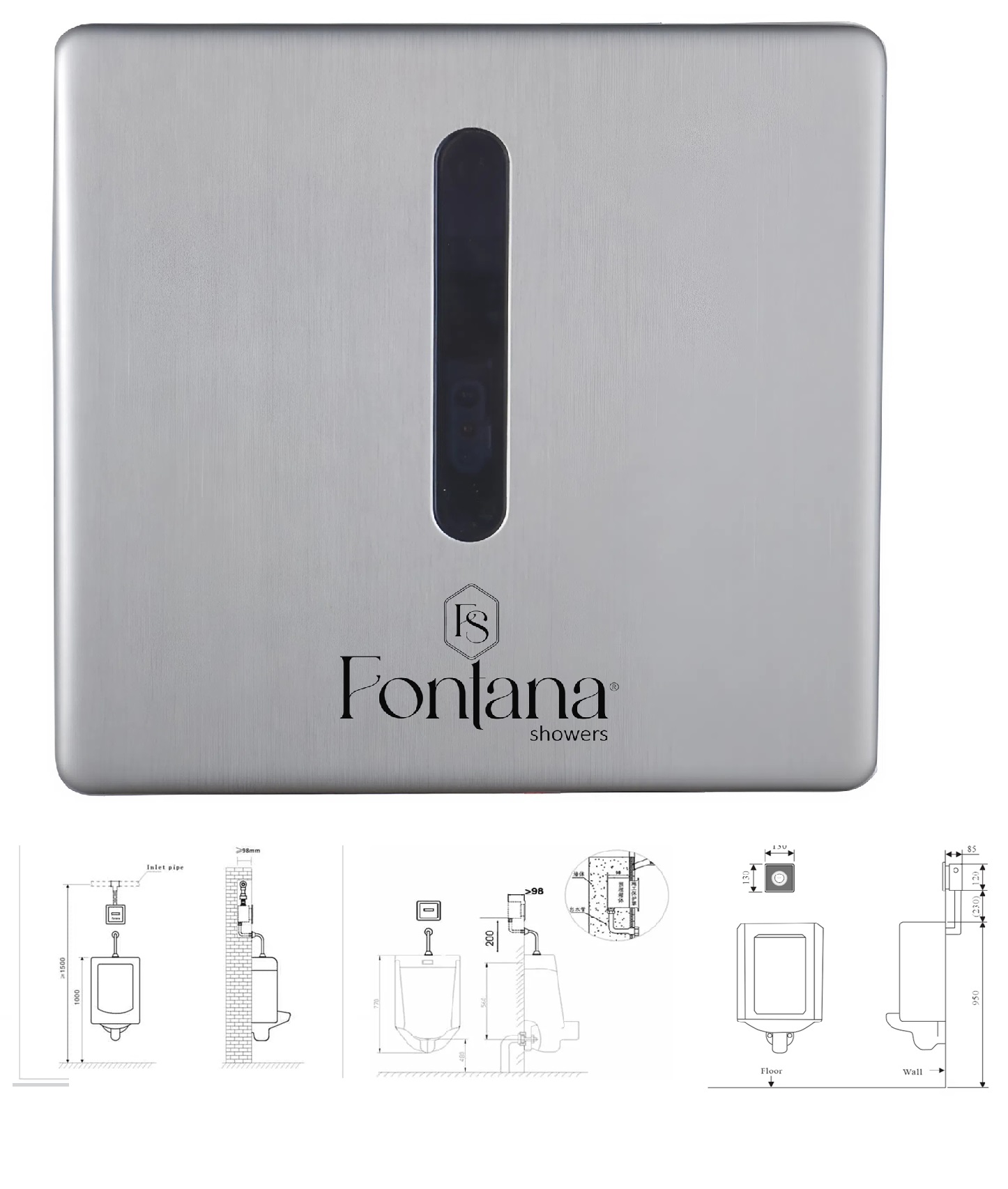
The valve body is concealed within the wall cavity, leaving only a refined visible trim. This approach is often preferred in projects where cleaner lines and added protection matter most.
Exposed Flushometer
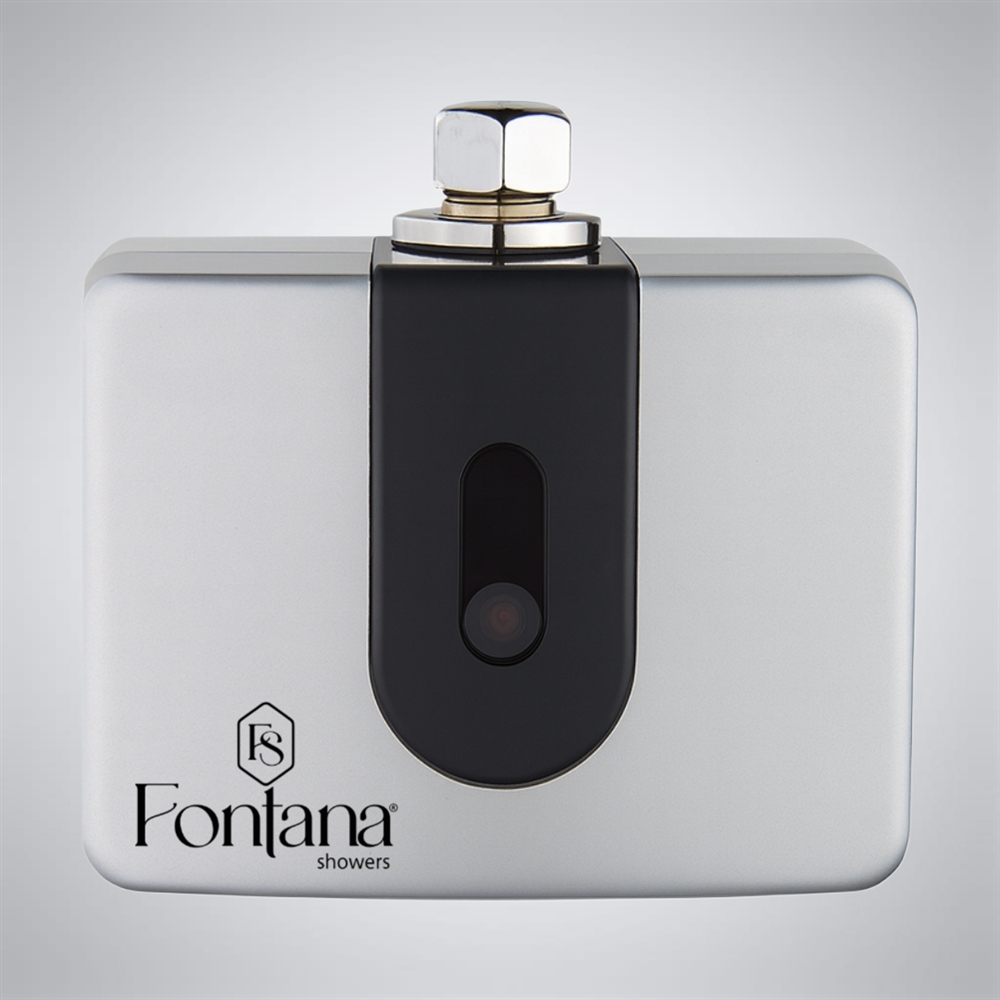
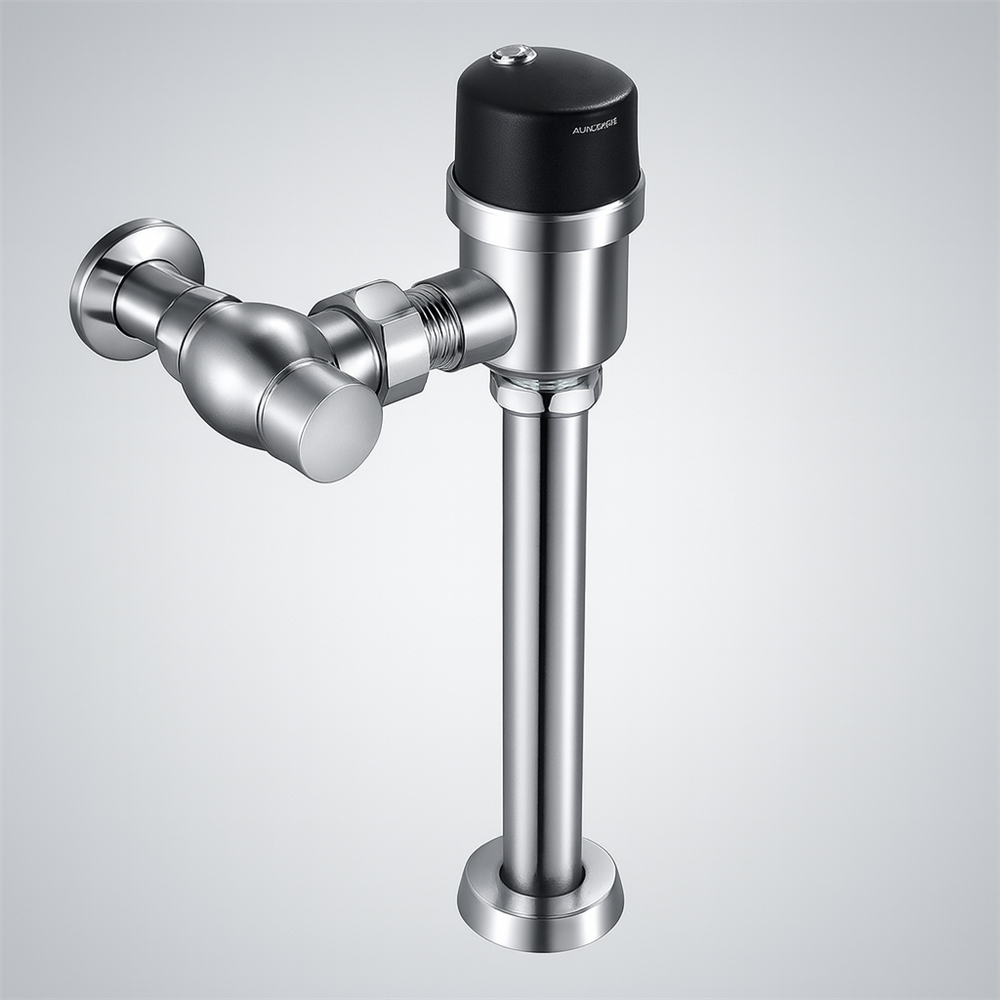
The valve and pipework remain visible above the fixture, making service access straightforward. It is a practical choice for facilities that prioritize maintenance speed and simple replacement access.
Both options can be manual or sensor-operated. The difference comes down to wall integration, service strategy, and how the restroom is expected to perform under daily use.
Environment-Based Comparison
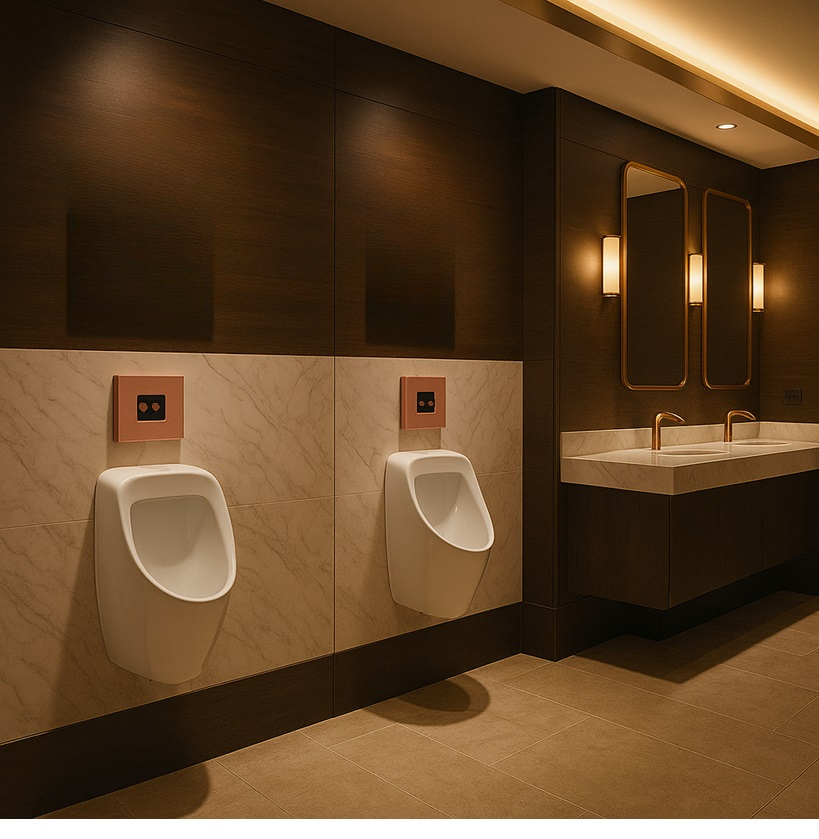
Different facilities place different demands on flush systems. The cards below make it easier to match the right solution to the restroom environment.
Maintenance & Service Considerations
What Facility Teams Should Consider
Exposed systems can offer faster visual inspection, while recessed systems require well-planned access. In either case, service access should be straightforward enough to support long-term reliability.
- Exposed flushometers support direct inspection
- Recessed systems benefit from proper access panel planning
- Service access for diaphragm components remains essential
- Replaceable field components can reduce downtime
Explore Related Resources
Internal Linking Strategy
Readers comparing flush system options may also want to review product collections, automatic models, and supporting FAQs before choosing the best fit for a commercial restroom project.
- Urinal Flush Valves Auto Sensor
- Urinal Auto Flush Valve Collection
- Fontana Auto Flush Series
- Automatic Flush Valves
- Urinal Auto Flush FAQ
Final Takeaway
The best flush valve configuration is the one that matches the restroom’s daily traffic, design goals, and maintenance plan. Recessed wall systems are often favored where appearance and vandal resistance matter most, while exposed flushometers remain a practical solution where fast service access is the top priority.
Related Automatic Flush Valve Installation Guides