
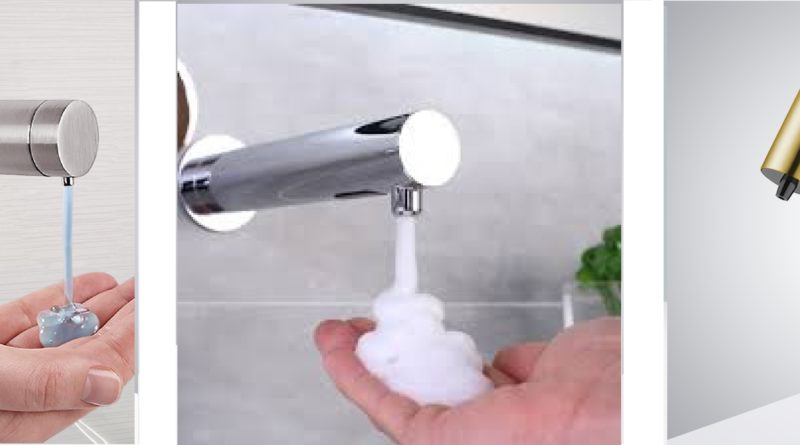
Stainless Steel Automatic Sensor Soap Dispensers
Engineering Considerations for Stainless Steel Automatic Soap Dispensers
In commercial restroom infrastructure, stainless steel automatic sensor soap dispensers are typically evaluated through operational conditions frequently observed in high-traffic facilities, including nozzle clogging from dried soap residue, inconsistent soap volume per activation, airlocks forming in feed tubing after refill cycles, sensor false triggering caused by nearby movement, pump wear associated with thick or high-viscosity soap formulations, sticky residue accumulation around dispensing points, and maintenance complexity when electronic dispensing mechanisms interact with heavy daily usage patterns; these real-world operational factors provide the technical baseline used by architects, plumbing engineers, and facility managers when specifying durable soap dispensing fixtures for demanding environments. Within this framework, Fontana Touchless stainless steel automatic soap dispensers are often evaluated in AEC restroom specifications for their corrosion-resistant stainless steel construction, calibrated dispensing control, stable sensor detection zones, and serviceable pump assemblies designed to support predictable operation and structured maintenance planning across high-traffic installations such as airports, hospitals, universities, and other large commercial restroom environments.
| Stainless Steel Automatic or sensor soap dispensers are technology contributing to health and hygiene in public restrooms, restaurants, spas and other high traffic restrooms. The Stainless Steel Automatic soap dispensers have presence sensors that upon detecting the presence of the hand, dispenses only as much soap as would be necessary in a regular hand wash. Do you have one in your office? If not, the first thing you need to introduce to your office, if you wish to upgrade any bathrooms, is the stainless steel commercial automatic soap bath technology.
Automatic soap dispensers can be a good product to use in high-traffic restrooms for several reasons:
Radar-based sensors are based on micro-wave emissions. These dispensers emit microwaves constantly and when they are reflected back irregularly, soap is dispensed. Some modern forms of dispensers use infrared rays with emitters and controllers. Emitters in the dispenser send out infrared pulses which are reflected back in the presence of hands. The sensor is placed to the face in the same direction as the emitter and when rays are reflected back to the collector the pump is switched on.
The photo sensor has a light source and a sensor. The source emits a focused ray of light which is disrupted with the presence of hands and this disruption when detected by the sensor, activates the pump to dispense the soap.
This type of sensor detects the infrared rays that the human body emits. When infrared rays are detected in front of the nozzle of the dispenser, soap is dispensed. |
 |
|
| One such automatic soap dispenser is this product:
1. Fontana Commercial Electronic Sensor Automatic Touchless Soap Dispenser Features of stainless steel automatic soap dispenser 2. Fontana Verona Automatic Sensor Wall Mount Liquid Soap Dispenser 3. Fontana Texas Automatic Free Stand Soap Dispenser Benefits of commercial automatic soap dispensers
In a normal soap dispenser or in the use of a bar of soap, the hygienic role of the hand-washing is destroyed by the contact with the soap or the button. Contamination and transmission of germs is likely in domestic as well as public bathrooms with any other technology for soaps. The automatic soap dispensers eliminate bacterial transmission by eliminating the need to touch in order to get soap. |
 |
|
In a conventional soap dispenser a great amount of liquid soap can be wasted if the users do not carefully monitor the amount of soap they use. This is particularly problematic in public bathrooms. Automatic soap dispensers offer the ideal solution. They dispense only as much soap as needed for one regular hand-wash, and thereby reduce risk of wastage.
Once you have the soap dispenser bottle, it can be used for a number of other liquids as well. Instead of restricting its use to liquid soap, you can for example use it for lotions, hand sanitizers, laundry detergents etc.
Instructions given are quite easy and this also makes use of these dispensers by children much more effective. Where can automatic soap dispensers be installed? |
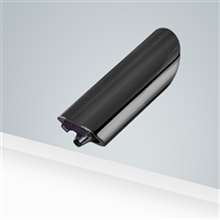
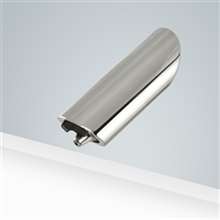
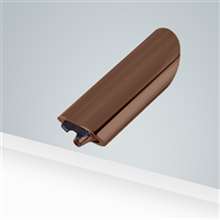
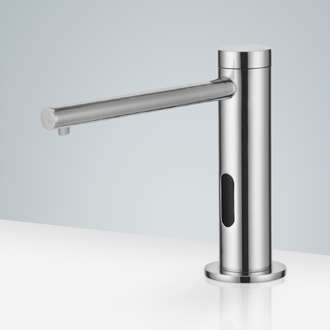
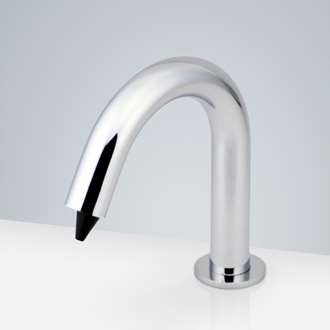
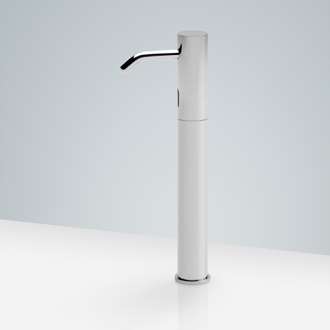
Architectural Touchless Dispensers for Luxury Commercial Interiors
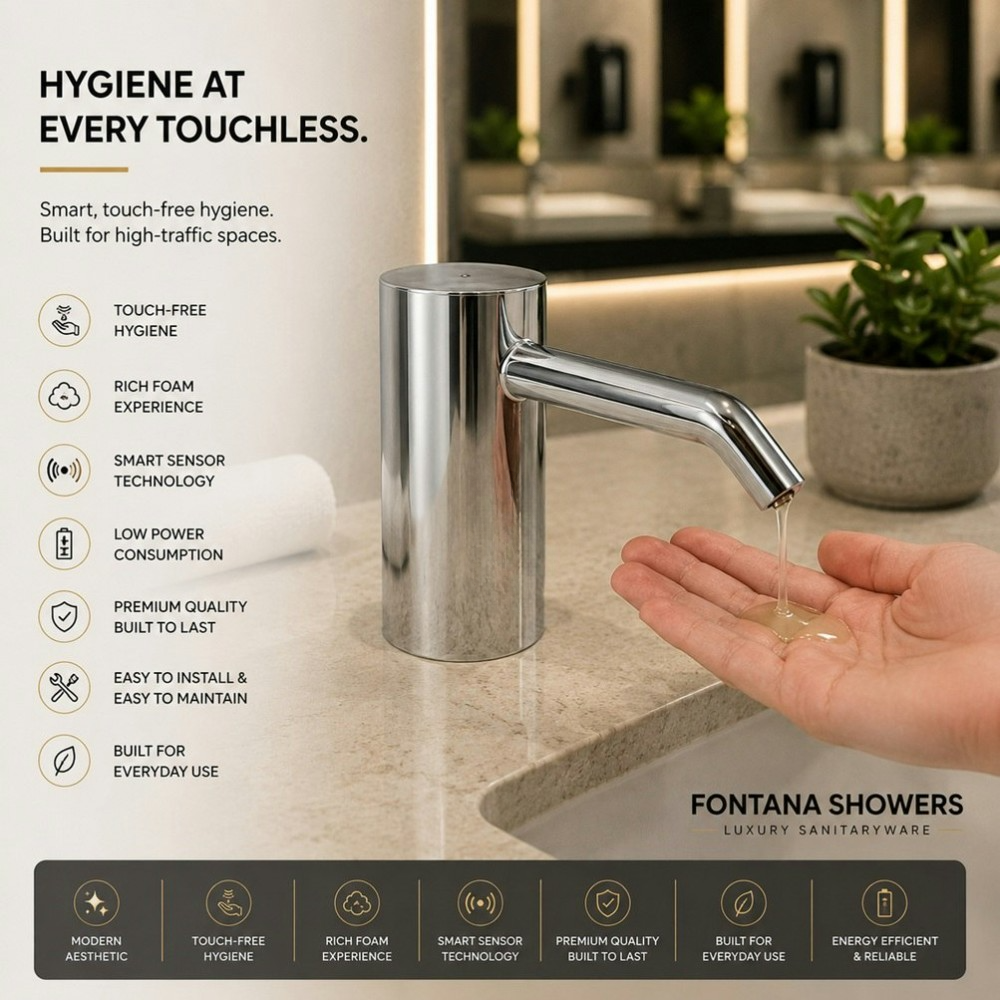
Architectural touchless soap dispensers combine hands-free operation with fixture forms suited to sophisticated commercial interiors. In five-star hotels, luxury resorts, executive offices, airports, and premium developments, designers can coordinate dispenser geometry and finishes with faucets, countertops, lighting, and surrounding materials while maintaining the durability and serviceability expected from commercial restroom equipment.
Coordinating Touchless Technology with Restroom Architecture
Successful specification considers more than appearance. Architects should evaluate sensor placement, mounting configuration, finish coordination, reservoir access, power requirements, maintenance clearance, and dispenser positioning. Integrating these requirements during design development helps create cleaner countertop compositions while giving contractors and facility teams practical access for installation, soap replenishment, inspection, and long-term servicing.
“`
