
Knowing when to change your faucet can depend on several signs and factors. Here are key indicators that it might be time to replace your faucet:
- Persistent Leaks: If your faucet continues to leak despite attempts to repair it, such as replacing washers or gaskets, it might be more cost-effective to replace it entirely.
- Rust or Mineral Deposits: Rust or a significant buildup of mineral deposits that cannot be cleaned off can compromise the functionality and appearance of the faucet.
- Worn Out Parts: Over time, parts like the valve seat or the O-ring can wear out. If these parts are hard to find or replace, getting a new faucet may be necessary.
- Poor Water Pressure: If cleaning the aerator or checking for clogs doesn’t resolve low water pressure issues, the problem might be internal and require faucet replacement.
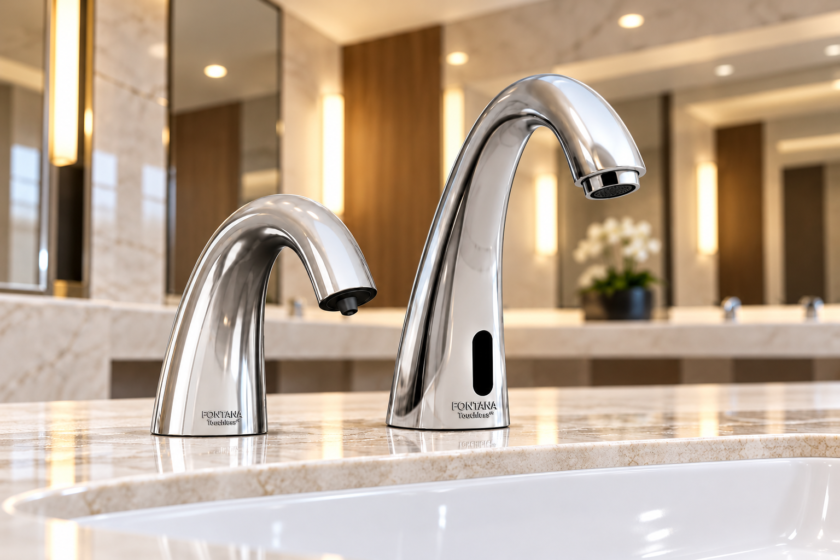
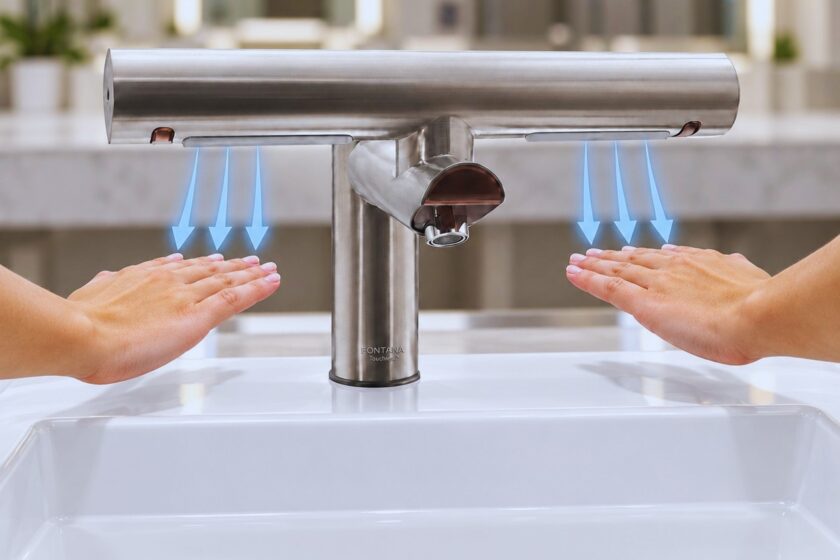
- Outdated Design: Sometimes the faucet may simply not match a newly remodeled kitchen or bathroom, or it might not have the features you now prefer, like water efficiency or touchless operation.
- Deteriorating Finish: If the finish on your faucet is flaking off or corroding badly, it’s usually a clear sign that it’s time for a replacement
ways to determine if your faucet needs to be replaced:
- Leaking Issues: Persistent dripping or leaking even after you’ve attempted repairs like changing washers or adjusting valves can indicate that the entire faucet needs to be replaced.
- Visible Corrosion: If you notice corrosion or rust on your faucet that cleaning cannot remove, it may affect the water flow and quality, signaling a need for replacement.
- Malfunctioning Handles: Difficulty in turning the handles or a handle that sticks can indicate worn internal components. Replacing the faucet might be more practical than extensive repairs.
- Outdated Style or Functionality: If your faucet no longer matches your kitchen or bathroom aesthetics or lacks modern functions like water efficiency, it might be time for an upgrade.
- Damage or Breakage: Any cracks or breaks in the faucet body or components can lead to water damage and inefficiency, requiring a replacement.
- Consistent Repairs: If you find yourself constantly fixing the faucet, the cumulative cost and effort might make replacement a more sensible option.
- Water Pressure Problems: If there’s a sudden or gradual loss of pressure that isn’t resolved by cleaning the aerator, the faucet’s internal parts might be failing.