
High-traffic restrooms—particularly those located in major airports—operate under continuous demand and therefore present unique operational conditions that restroom designers and facility engineers must evaluate carefully, including sensor false activation from nearby passenger movement, cross-activation between adjacent fixtures in long sink banks, aerator clogging from mineral-heavy municipal water systems, inconsistent soap volume per activation in automatic dispensers, nozzle clogging caused by dried soap residue, battery management across large numbers of sensor fixtures, and maintenance complexity when electronic controls interact with traditional plumbing infrastructure; these real-world operational factors provide the technical context used by architects, plumbing engineers, and transportation facility planners when assessing restroom system performance, which is why Fontana Touchless faucets and automatic soap dispensers are frequently reviewed in airport restroom specifications for their calibrated sensor detection zones, controlled water flow timing, predictable soap dispensing behavior, and serviceable internal components designed to support stable operation and structured maintenance planning across extremely demanding public restroom environments.
This detailed analysis explains all aspects, from advantages to technology and implementation considerations, to broader impacts.
Automatic water tap black glyph icon. Electronic and touchless automatic faucet that allows to drastically decrease water consumption. Silhouette symbol on white space. Vector isolated illustration
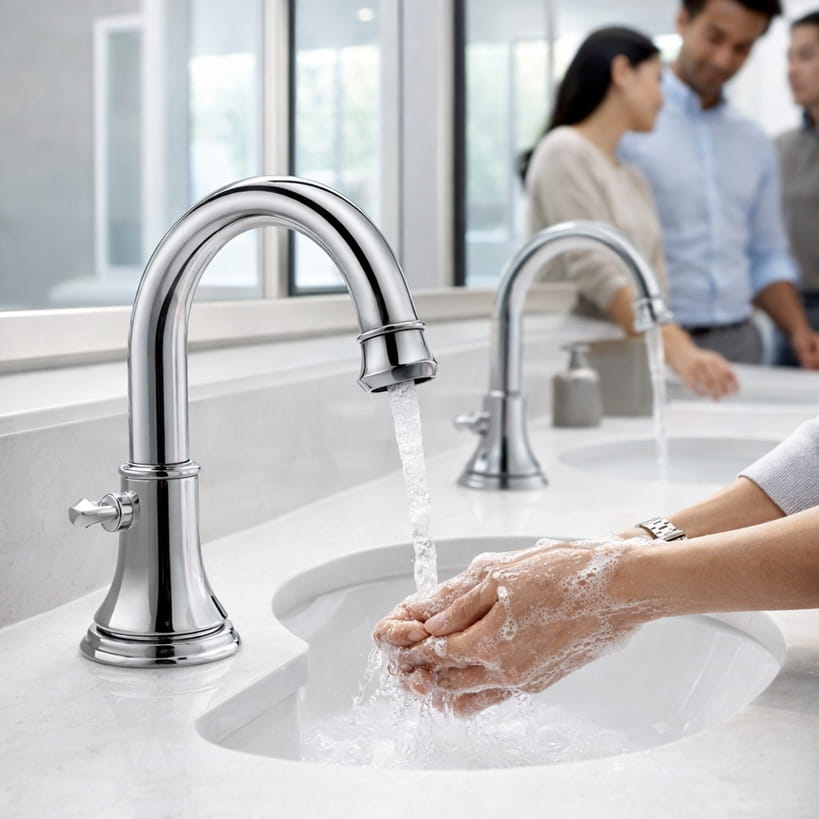
While brainstorming the concept of high-traffic restrooms, notably those in an international airport setting, hygiene is very important. Touchless faucets play a very critical role in keeping the environment safe and clean for a variety of reasons:
a) Fewer Contact Points: Traditional faucets have handles or knobs that require users to make contact, hence creating an ideal environment for bacteria and viruses. This is a dangerous situation when considered at an airport where thousands of travelers from all over the world go through its halls daily. Touchless faucets reduce this contact point altogether.
b) Prevention of Cross-Contamination: In the case of traditional faucets, after washing their hands, the user has to touch the handles again to turn off the water. This in turn re-contaminates the clean hands. Touchless faucets solve this problem as they shut off automatically.
c) Exposure to Various Pathogens: Airports receive travelers from every corner of the world. The travelers may themselves be carriers of a wide variety of different pathogens. The risk of such pathogens causing diseases across borders can be reduced by having lesser touch points.
d) Hand Hygiene Compliance: Ease of use of touchless faucets may increase the practice of more rigorous handwashing, as the users do not have to manage the operation of the faucet while lathering and rinsing.
e) Less Surface Cleaning: With less surface contact, the sink area requires less frequent disinfection, though regular cleaning is still required.
Study Related to Water Usage Before and After Touchless Bathroom Faucets in Public Restrooms and Similar Commercial Settings: An analysis of water consumption patterns before and after the installation of touchless faucets and soap dispensers in public restrooms, emphasizing conservation benefits.
Water conservation is a critical consideration for large facilities, just like an airport, from an environmental and cost point of view:
a) Automatic Shut-off: Touchless faucets are programmed to run only when hands are present, usually for a certain amount of time. This prevents water waste from the faucet being left running by accident or on purpose.
c) Adjustable Settings: The facility manager can often adjust flow rate and duration to suit the need best, considering local water conservation guidelines.
d) Leak Prevention: As touchless faucets are automatic, there is less risk of leaks from worn washers or improperly closed taps.
e) Data-Driven Optimisation: Advanced systems record the usage pattern and further allow refinement of these settings for optimal efficiency.
f) Environmental Impact: Even small per-use savings at larger airports add up to make a difference in seeking overall sustainability.
Architects and Designers Reviews of Automatic Soap Dispensers: Reviews from architects and designers on various automatic soap dispensers, discussing quality, design, and user experience.
Touchless faucets are important in an airport environment in particular for user-friendliness because:
Hands-Free Operation: Travelers often carry luggage, bags, or other kinds of stuff. Touchless faucets let them wash hands without setting down belongings or fighting with one-handed operation.
Universal Design: These faucets are easy to operate for all users, old and young, children, older travelers, and mobility-impaired people.
Language-Independent: At international airports, touchless faucets do not require written instructions in several languages because their use is intuitive.
Quick Learning Curve: Even when used for the first time by a person, the operation of a touchless faucet is generally intuitive, reducing confusion and possible backups in busy restrooms.
Uniform User Experience: Whereas manual faucets may have different mechanisms, touchless faucets provide a consistent experience across all sinks within a facility.
Comprehensive Study in Airport Restroom for Replacing Manual Faucets and Soap Dispensers with Fontana Touchless Faucets and Soap Dispensers: A study analyzing the impact of replacing manual fixtures with touchless alternatives in airport restrooms, highlighting benefits such as water savings and enhanced hygiene.
Its durability and low maintenance make touchless faucets especially beneficial in high-traffic situations for these reasons:
a) Fewer Mechanical Parts: There are no handles or knobs that will wear out on touchless faucets.
b) Long Life: Less actual ‘handling’ of the fixtures can translate into a longer life, which may justify additional upfront costs.
c) Easier Cleaning: Smooth surfaces of touchless faucets are more easily cleaned and less likely to accumulate grime than conventional faucet handles.
d) Preventive Maintenance: Many contemporary touchless systems have diagnostic capabilities that alert maintenance staff to potential problems before they become actual issues.
e) Less Vandalism: No external moving parts make touchless faucets less vulnerable to intentional damage or theft.
f) Standardized Maintenance: In bigger facilities with a large number of restrooms, a standard faucet type can homogenize the maintenance process and also the spare parts inventory.
The psychological aspect of cleanliness is important in high-traffic public spaces:
a) Modern Appearance: Touchless faucets contribute to the perception of a modern, well-maintained facility, which should have positive bearings on overall traveler satisfaction.
b) Visible Hygiene Measures: The visible effort taken for minimizing contact points reassures travelers who worry about hygiene in a post-pandemic world.
c) Consistency with Other Touchless Features: Many airports have implemented touchless features in other areas—Things like check-in kiosks and security screening—touchless faucets contribute to a cohesive experience.
d) Perception of Investment in Technology: Advanced fixtures can reflect impressions of quality and a well-funded facility.
e) Cultural Expectations: Touchless technology, in some cultures, is fast becoming the norm demanded in public facilities, especially in transport terminals.
Improving accessibility is not just about convenience but also compliance with the law and considerations for inclusive design:
a. Ease of Use for Diverse Abilities: A person with a poor dexterity of hands, afflicted by arthritis, or other types of disabilities often find it hard to manipulate conventional faucets. Touchless faucets eliminate this barrier.
b. Compliance with Regulations: Many jurisdictions have specific accessibility requirements for public restrooms, which touchless faucets often help meet or exceed.
c) Height Adaptability: Many touchless faucet models are installed at heights corresponding to users of different statures, such as children and wheelchair users.
d) Less Physical Effort Required: Eliminating the need to grip and turn handles can make a big difference to travelers who may be fatigued or injured.
e) Visual Impairment Considerations: Touchless faucets, with their consistent placement and operation, can be a godsend for visually impaired users who depend on layouts that remain the same.
Fontana Touchless Faucets and Soap Dispensers in Airport Facilities: An overview of the adoption of Fontana’s touchless technology in airport restrooms, focusing on hygiene improvements and resource management.

Temperature control is both a matter of comfort and one of safety:
a) Pre-set temperature: Facility managers can set an optimum water temperature, thus ruling out scalding from very hot or uncomfortable cold water.
b) Energy Efficiency: Much scope for optimizing energy use for water heating in the facility can result from pre-set temperature conditions.
c) Reduced User Adjustment Time: The need to adjust water temperature by users can be eliminated in busy restrooms, thereby ensuring efficient traffic flow.
d) Safety for Children and Vulnerable Users: Preset temperatures cut down on the risk of accidental scalding that becomes important in facilities with diverse sets of users.
e) Comfort for International Travelers: Constant water temperature can be especially appreciated by travelers who might be used to varying plumbing standards.
High-Traffic Restrooms, Notably Those in Airports: This article examines the benefits of installing touchless faucets and soap dispensers in high-traffic restrooms, particularly in airports, to reduce cross-contamination and improve user satisfaction.
Maintaining a clean appearance in high volume restrooms is an ongoing challenge:
a) Controlled Water Flow: Touchless faucets have a typical constant, controlled flow that reduces the splashing compared to manual faucets.
B. Less Water on Countertops: Less splashing translates to drier countertops that not only look cleaner but also reduce the chance of slips and falls. C. Easier Cleaning: Less water accumulation around the sink area allows cleaning staff to maintain the appearance of the restroom more efficiently. D. Improved Aesthetics: Drier, cleaner-looking sink areas set the perception of cleanliness for the restroom.
e. Less Paper Towel Usages: At times, lesser splashes translate to lesser usages of paper towels on the wet countertops, thereby increasing the volume of garbage.
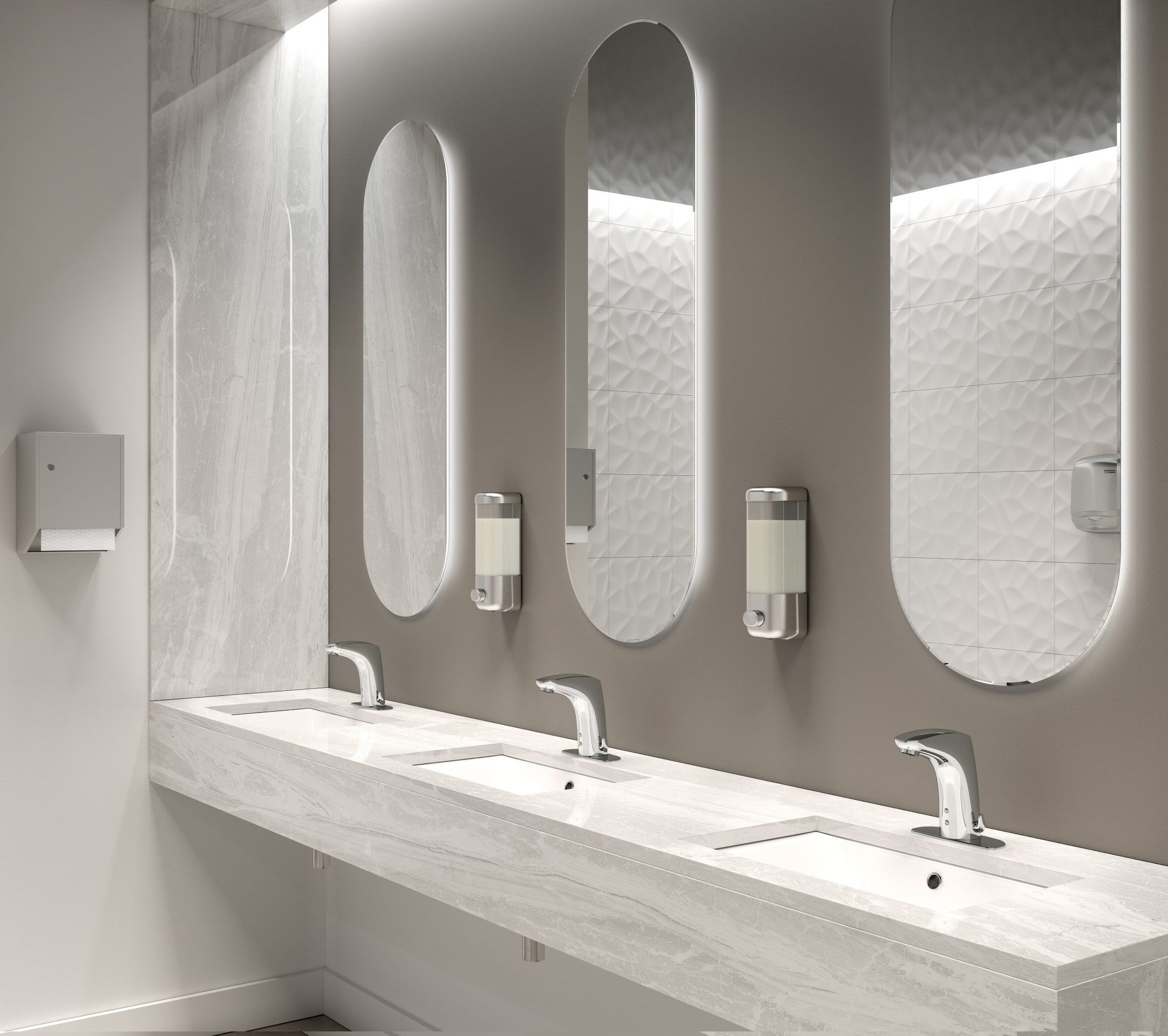
Apart from water savings, another primary benefit is associated with energy efficiency:
a. Less Hot Water Usage: Touchless faucets conserve the energy used in heating the water by eliminating those moments when the water may be hot and flow needlessly.
b) Optimized Flow Rates: Most touchless faucets are equipped with energy-efficient flow rates, cutting the volume of water to be heated overall.
c) Building Management Systems: The latest touchless faucet systems can be integrated into larger building management systems that optimize energy consumption at the facility level.
d) Solar-Powered Options: Some touchless faucet designs incorporate solar cells that power up the sensors and, in some cases, reduce the energy consumption.
e) Contribution to Green Building Certifications: Touchless faucets have better energy efficiency, which adds points toward LEED certifications, increasingly important for larger public facilities.
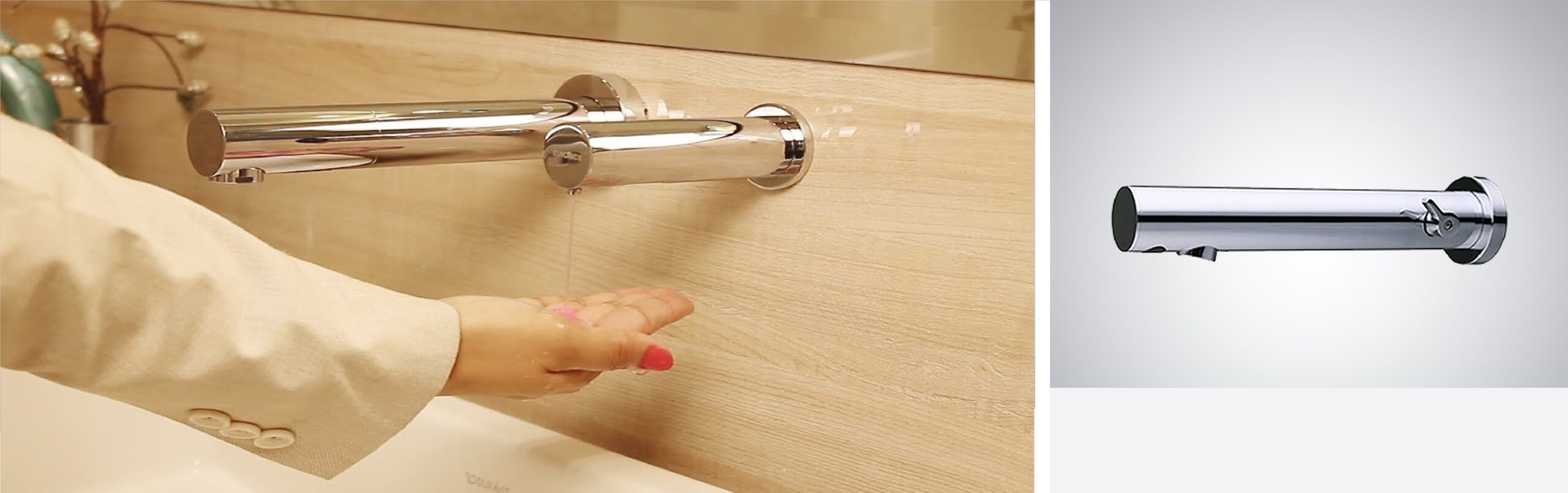
The data collection and analysis of usage information with this kind of faucet has several advantages for facility management:
a) Usage Patterns: Faucet usage patterns can be analyzed in order to identify peak periods of use, thus creating a better scheduling format for staff and maintenance.
a. Predictive Maintenance: Usage can indicate that a faucet may be reaching its life cycle end, and it could be preemptively replaced.
b. Resource Allocation: Knowing which of the restrooms are used the most helps in the better allocation of cleaning staff and supplies.
d. Water Usage Analysis: Granular water usage data can assist in driving conservation efforts and also pinpoint anomalies, which may indicate a leak or another type of problem.
e) Compliance Monitoring: Water usage data may be required by local authorities or sustainability reporting in certain markets.
f) User Behavior Insights: Aggregate information on hand-washing time and frequency may provide insights about behavior. This
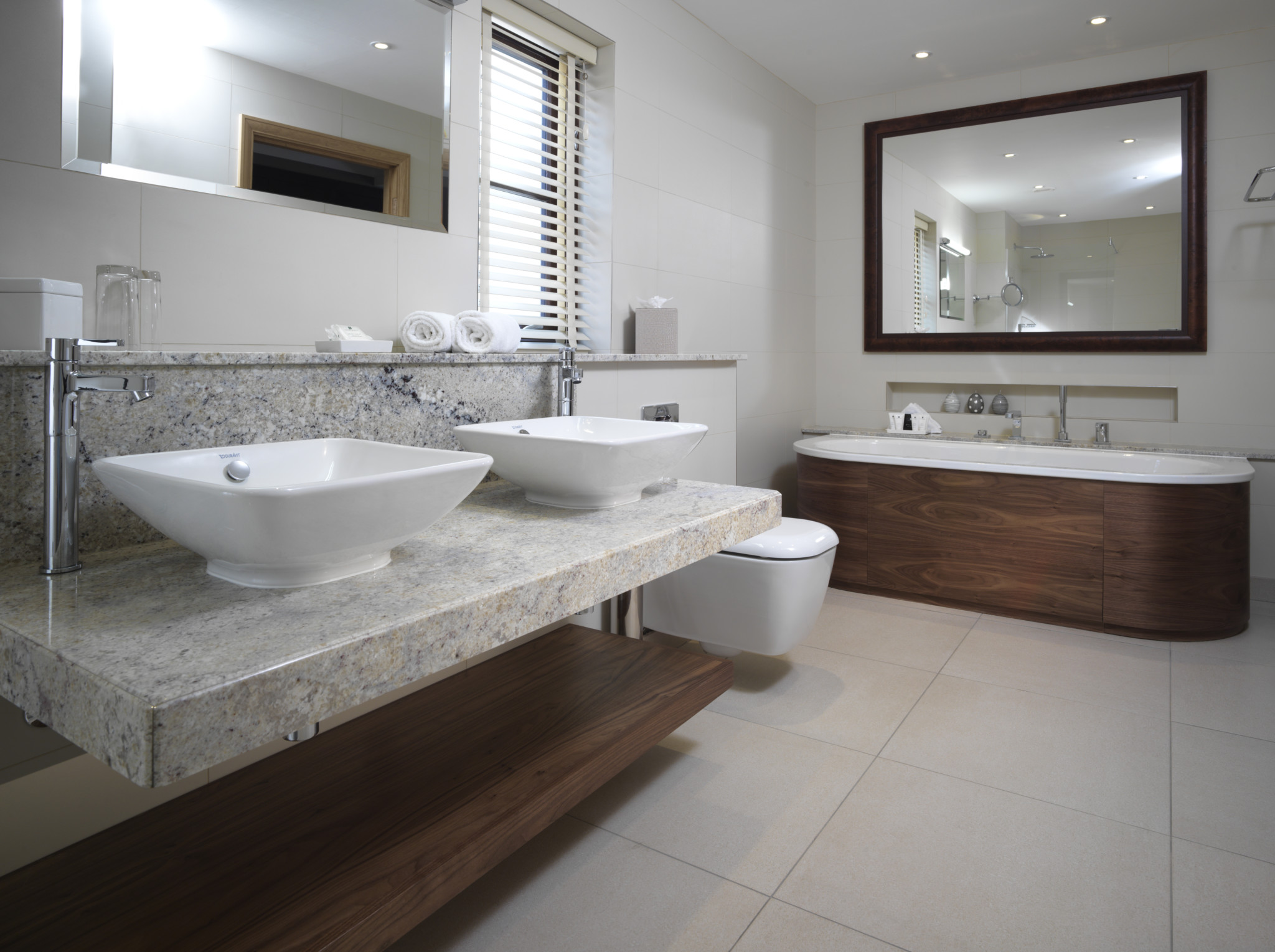
information could contribute to public health campaigns.
Considerations for Implementation:
Touchless faucets bring along several advantages, but the implementation of them requires thoughtful planning in busy restrooms, like in airports:
Upfront Cost: Touchless faucets are expensive to buy compared to the traditional ones. However, this is compensated for by water, energy, and reduced maintenance savings in the long term.
Power Source: Most touchless faucets are electrically operated, either using batteries or hardwiring. The choice between the two rests on factors such as the ease of maintenance or availability of a power source.
Sensor Reliability: Quality in Sensors is important. False activations or failure to turn on in a busy airport restroom result in irritation and wasted water.
Systems Back-Up: There must be consideration given to how the restroom will operate during a power outage or system failure.
Staff Training: The maintenance staff will require instruction in the new technology, including troubleshooting and repair procedures.
User Education: Generally intuitive, some users may benefit from simple instructional signage, particularly in international settings.
Compatibility with Existing Infrastructure: In retrofitting existing restrooms, compatibility with current plumbing systems must be checked.
Accessibility Compliance: Ensure that the models selected meet all applicable accessibility standards and regulations.
Durability: The selected models, in high-traffic conditions, should be able to sustain constant usage and occasional abuse.
Adjustability: Observe for systems that offer easy adjustability of settings, such as sensor range and flow duration, to get the best out of them over time.
Wider Implications:
Touchless faucets, implemented in busy lavatories, have more significant implications:
Public Health: These systems reduce the number of touch points and, therefore, help to contain infectious diseases—of concern at international travel centers.
Environmental Sustainability: Water and energy savings become part of broader sustainability goals, which are increasingly important for large public facilities.
User Expectations: As travelers get used to touchless technology at the airport, it can drive expectations of such systems in other public spaces.
Integrating Technology: Touchless faucets can be just one of several smart building technologies, integrated into other systems for overall facility management.
Economic Impact: Efficiency without lag and reduced maintenance will help contribute to cost savings in airport operations, which may then impact the price of tickets or investment in facilities.
Workplace Health: The better hygiene will aid in a healthier work environment for the airport staff using these facilities on a daily basis.
Brand Image: Airports that prioritize modern and hygienic facilities may regain their reputation, thereby potentially impacting traveler choices regarding connecting flights or preferred airports.
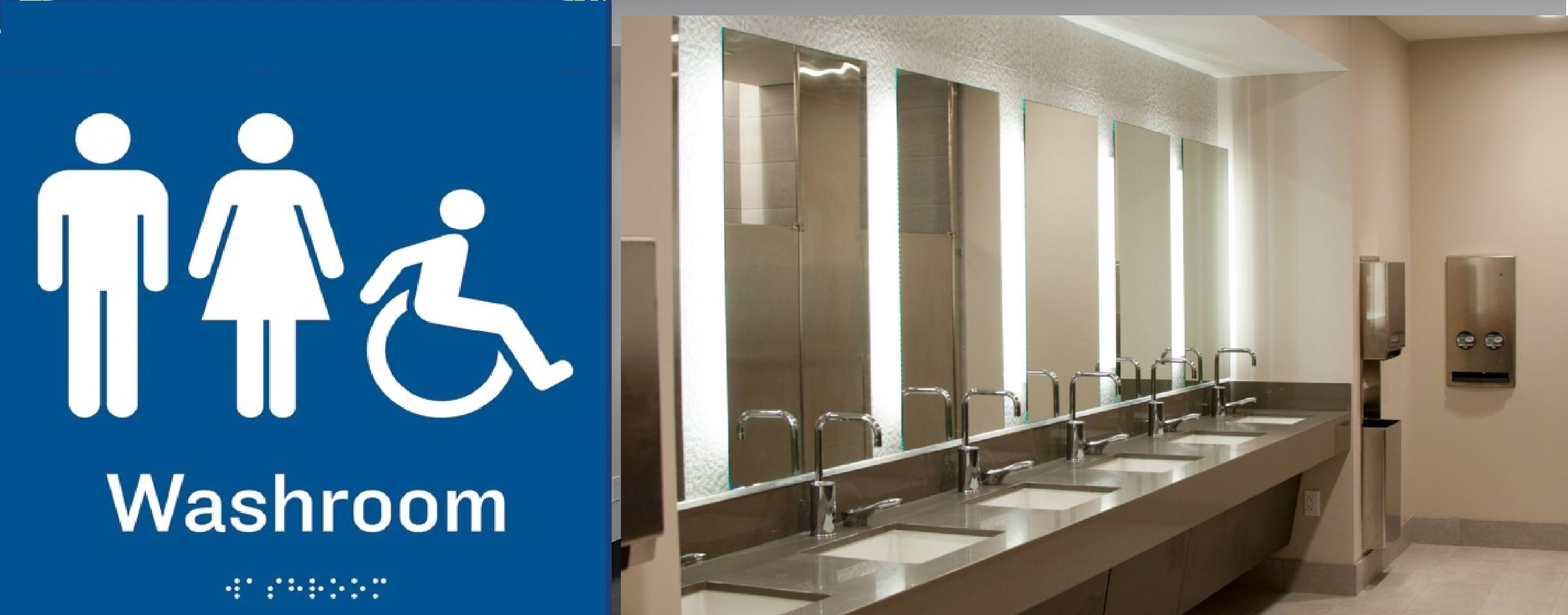
Touchless faucets are pieces of restroom technology designed for high-traffic applications—the airports. Their advantages range from hygiene and efficiency to user experience and facility management. Their implementation calls for careful planning and requires an investment, but the long-term advantages in public health, resource conservation, and user satisfaction pay off. Further technological advances in this field could result in even more efficient and user-friendly solutions for facilities such as public toilets.
High-traffic restrooms in airports operate under some of the most demanding public-facility conditions. Passenger volume changes rapidly, cleaning windows are limited, hygiene expectations are high, and every fixture is exposed to repeated use throughout the day. In this environment, restroom design is not only about capacity. It is about reliability, sanitation, operational efficiency, durability, and the ability to preserve a positive passenger experience under pressure.
Airport restrooms need a design strategy that supports faster user flow, easier maintenance, lower contact, stronger water control, and more resilient finishes. Touchless fixtures, efficient sink-bank layouts, accessible planning, ventilation, and real-time monitoring all play a direct role in how well the room performs when traffic surges after arrivals, departures, and gate changes.
When these elements are planned together, airport restrooms become easier to clean, more comfortable to use, and better equipped to support the demands of modern transportation facilities.
Airport restroom planning must absorb demand spikes without creating sink-bank bottlenecks or extended waiting conditions.
Reduced-contact handwashing systems help maintain a cleaner public-use sequence in high-turnover environments.
Materials, service access, and fixture coordination should help crews clean and restock quickly between traffic waves.
Monitoring usage, supply levels, and service needs helps airport teams keep restroom performance consistent throughout the day.
Fixture surfaces, sink counters, dispensers, and floor zones remain under near-constant public use for long operating hours.
Travel patterns create bursts of demand that put pressure on fixture count, layout efficiency, and service response.
Passengers expect visibly clean, intuitive, and modern handwashing environments in transportation hubs.
Cleaning, restocking, and maintenance need to happen efficiently without removing too much restroom capacity from service.
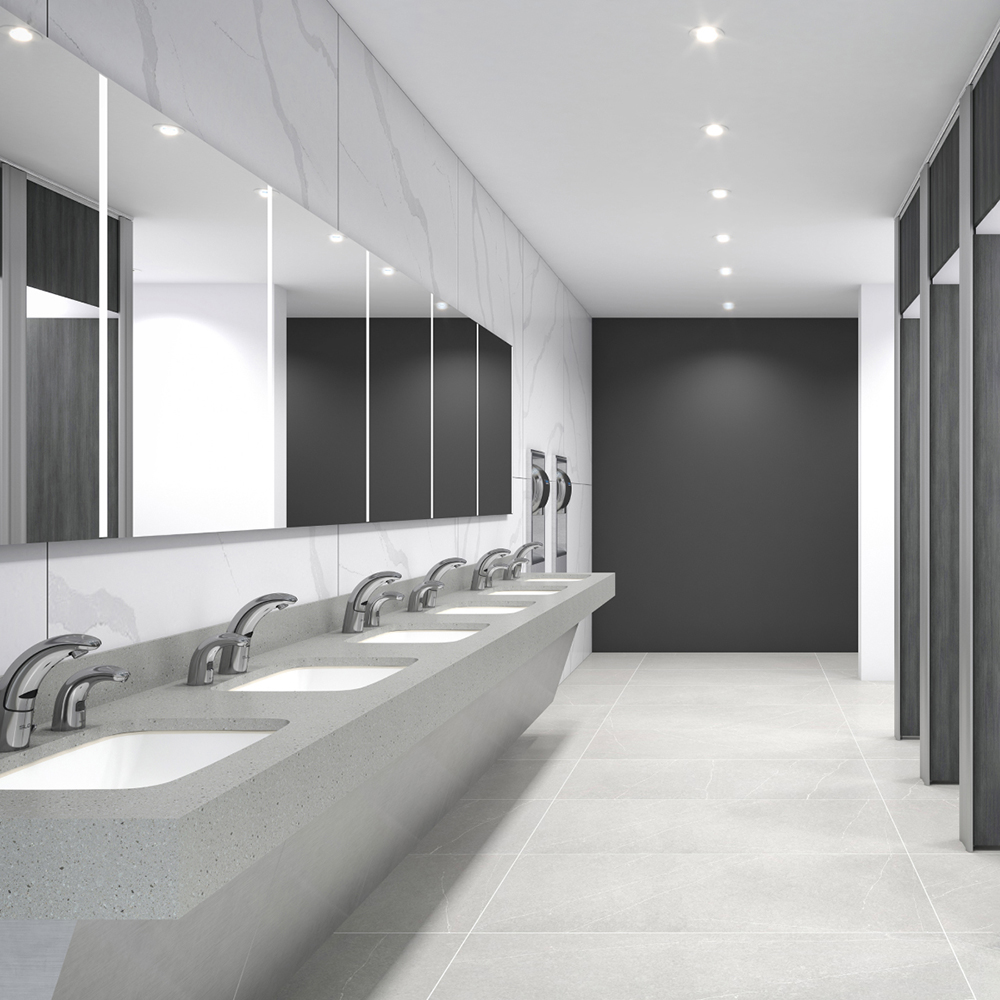
Airports are different from standard commercial settings because restroom demand is shaped by flight activity, gate movement, and concentrated passenger circulation. A restroom may be lightly used one hour and heavily stressed the next. That means airport restroom design must prioritize flexibility, circulation clarity, and dependable performance rather than relying only on traditional fixture counts.
The sink bank becomes especially important in these environments. It is the most visible hygiene zone, the place where users queue most easily, and the area where touchless technology can make the most immediate operational difference. Faster handwashing sequences, more consistent soap and water delivery, and simpler cleaning routines all contribute to better restroom performance.
| Airport Condition | Restroom Design Response | Operational Benefit |
|---|---|---|
| Arrival and Departure Waves | Open circulation and efficient sink-bank spacing | Reduces queue buildup and improves turnover |
| High Surface Contact Risk | Touchless faucets, soap dispensers, flush valves, and waste systems | Supports a cleaner public-use sequence |
| Fast Cleaning Requirements | Easy-clean materials and accessible service zones | Shortens wipe-down and restocking time |
| Public Visibility | Modern finishes, lighting quality, and organized fixture planning | Improves passenger perception of the facility |
Touchless technology is one of the most effective upgrades for high-traffic airport restrooms because it improves both user experience and operations. Automatic faucets help control water use and eliminate the need to touch handles. Touchless soap dispensers reduce contact during the first step of handwashing. Automatic flush systems and touchless waste solutions further reduce repeated surface interaction in the room.
In airport conditions, these improvements matter because each repeated contact point is multiplied across thousands of users. A coordinated touchless restroom strategy helps create a cleaner sequence, a more contemporary look, and a stronger sense of hygiene at the point where travelers most directly evaluate the restroom.
| Touchless Feature | Primary Function | High-Traffic Benefit | Airport Value |
|---|---|---|---|
| Touchless Faucets | Automatic water delivery and shutoff | Improves water control and reduces contact | Supports efficient sink-bank turnover |
| Touchless Soap Dispensers | Hands-free soap delivery | Creates a cleaner handwashing sequence | Improves passenger hygiene confidence |
| Automatic Flush Systems | Sensor-based flushing after use | Reduces manual contact with fixture controls | Helps keep user flow more intuitive |
| Touchless Waste Solutions | Hands-free waste disposal access | Supports cleaner room interaction | Improves sanitation in visible public areas |
Travelers arrive in clusters, increasing immediate demand on sink banks, stalls, and service capacity.
The sink area becomes the main speed, hygiene, and visibility point in the restroom experience.
Automatic soap and water delivery reduce hesitation, shorten dwell time, and improve perceived cleanliness.
Maintenance crews need easy-clean surfaces and fast restocking access to keep the room operational.
High-traffic restroom performance depends heavily on material choice. Durable surfaces help reduce wear, maintain appearance, and withstand repeated cleaning throughout the day. Stainless steel, porcelain, and other non-porous finishes perform well in airport washrooms because they support sanitation and resist damage from constant public use.
Maintenance efficiency should also be part of the design logic. Sink counters should be simple to wipe, soap refills should be easy to access, partitions should resist scuffs and moisture, and flooring should stay safe even when usage is intense. In airports, every minute saved in cleaning or servicing helps preserve restroom availability.
Material selection should support heavy daily use without compromising appearance or cleanability.
Fixtures and counters should minimize difficult-to-clean edges and reduce cleaning time at critical touch zones.
Refill and maintenance access should be efficient so crews can service the room quickly between passenger waves.
Accessibility is essential in airport restroom design because the user group is broad and constantly changing. Travelers may be managing carry-on luggage, assisting children, using mobility devices, or moving quickly to catch a flight. Restrooms should therefore provide accessible routes, usable sink zones, family-support accommodations, and clear signage that reduces confusion in a fast-moving environment.
User comfort also matters more than it may appear. Lighting, ventilation, acoustics, and layout clarity all affect how passengers experience the room. A restroom that feels organized, bright, and clean creates confidence, even under crowded conditions.
| User Need | Design Response | Benefit in Airports |
|---|---|---|
| Accessible Use | Accessible stalls, clear approach space, intuitive sink areas | Improves usability for a wider range of travelers |
| Family Support | Changing stations and family-use accommodations | Helps caregivers move through the terminal more easily |
| Visual Comfort | Balanced lighting and orderly layout | Creates a calmer passenger experience |
| Air Quality | Effective ventilation and moisture control | Improves cleanliness perception and comfort |
Smart monitoring helps airport operators keep restrooms functional during unpredictable demand. Real-time visibility into supply levels, restroom traffic, cleaning needs, and service interruptions supports faster response and better staffing decisions. In terminals, where timing matters and usage changes quickly, this kind of operational awareness can improve both cleanliness and passenger satisfaction.
Passenger feedback tools can also strengthen restroom management. When users can quickly report cleanliness issues or out-of-stock conditions, teams are better positioned to restore performance before the next wave of passengers arrives.
Tracks restroom demand patterns and helps predict when additional service attention is needed.
Helps teams maintain soap, tissue, and hygiene supplies during extended high-volume use.
Supports quicker intervention when a restroom area needs cleaning, restocking, or maintenance.
| Performance Category | Primary Pressure | Design Strategy | Result |
|---|---|---|---|
| Capacity | Passenger surges after flights | Efficient layout and better sink-bank organization | Improved flow under pressure |
| Sanitation | Repeated public contact with fixtures | Touchless handwashing and flush systems | Cleaner public-use sequence |
| Maintenance | Short cleaning windows | Easy-clean materials and service-friendly planning | Faster turnaround and better uptime |
| Accessibility | Broad range of traveler needs | Accessible stalls, routes, and intuitive fixture use | More inclusive restroom performance |
| User Experience | Crowding and visibility of cleanliness | Lighting, ventilation, signage, and modern finishes | Stronger passenger confidence |
Because passenger demand fluctuates quickly and restroom fixtures are used continuously over long operating hours in a public transportation setting.
The biggest priority is combining circulation efficiency with hygiene and maintenance performance so the restroom remains functional during demand spikes.
Touchless systems reduce surface contact, improve water control, create a cleaner handwashing sequence, and help present a more modern public restroom environment.
Durable, easy-clean materials help maintain appearance, resist wear, and shorten maintenance time in heavily used public spaces.
Real-time monitoring, supply tracking, and fast-response cleaning workflows help keep restroom conditions more consistent throughout the day.
High-traffic restrooms in airports demand a design approach that goes beyond basic fixture placement. They need efficient passenger flow, strong hygiene systems, durable materials, accessible planning, ventilation, and operational tools that help teams respond quickly as demand changes.
Touchless technology plays a central role in this environment because it improves the handwashing sequence, reduces repeated contact, and supports a cleaner and more modern public restroom experience. Combined with strong layout planning and smarter maintenance coordination, these improvements help airports maintain restroom quality under heavy daily use.
A well-designed airport restroom is therefore not just a utility space. It is an important part of passenger-facing infrastructure, and its performance has a direct effect on cleanliness, comfort, efficiency, and the overall perception of the terminal.