
:
Preventing User Confusion
With Touchless Soap Dispensers
Stop hand waving, accidental touching, and restroom congestion. Learn how intuitive sensor placement creates a logical handwashing sequence.
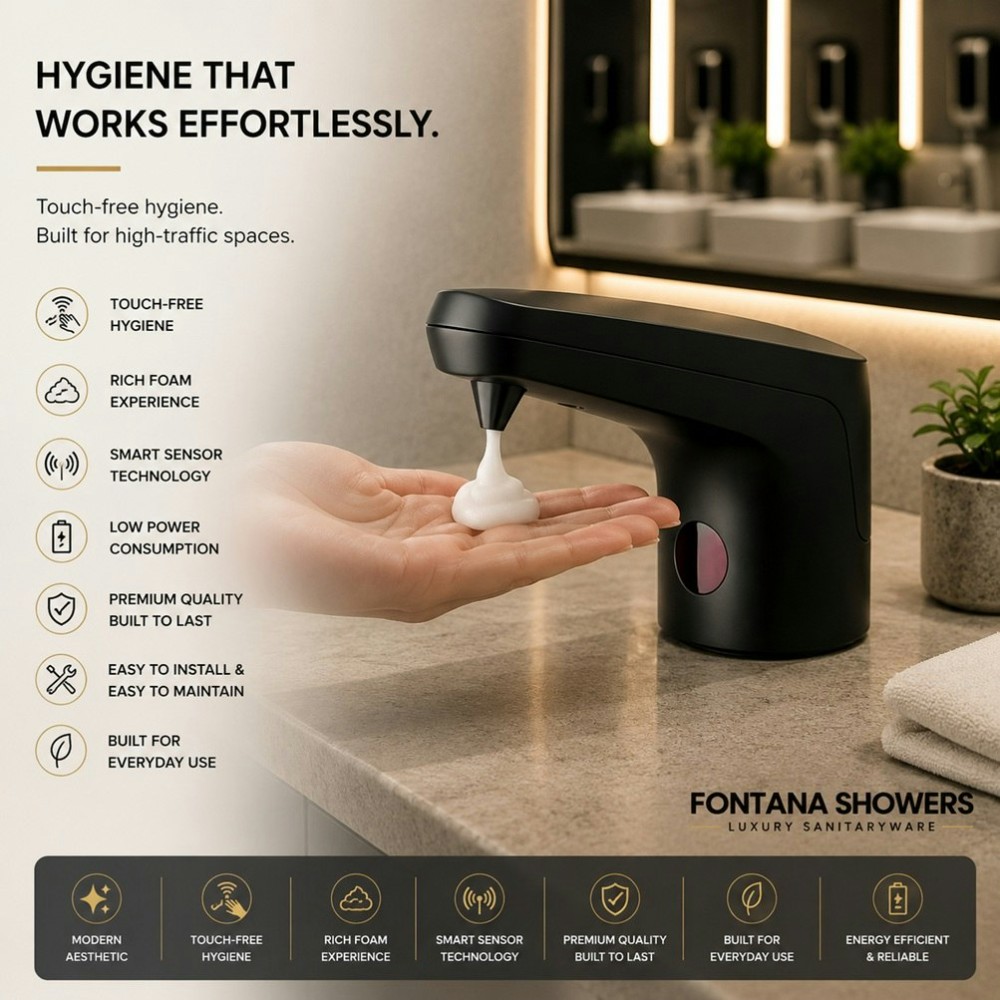
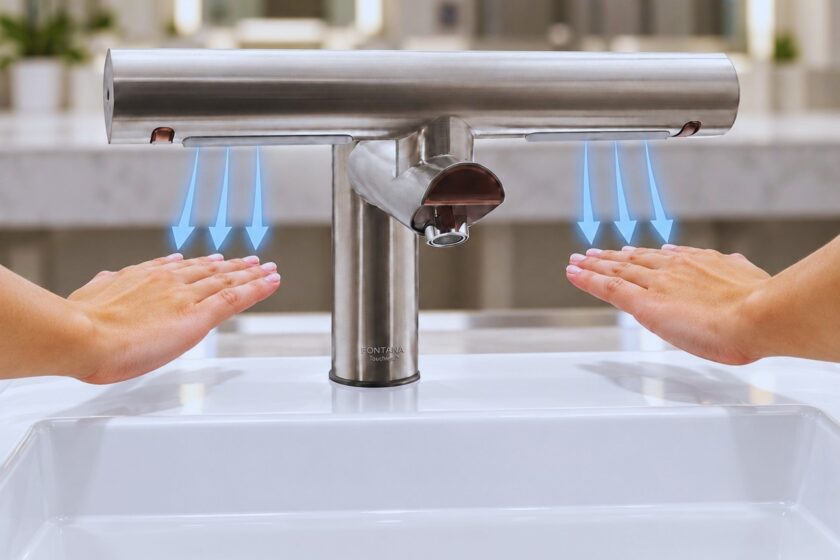
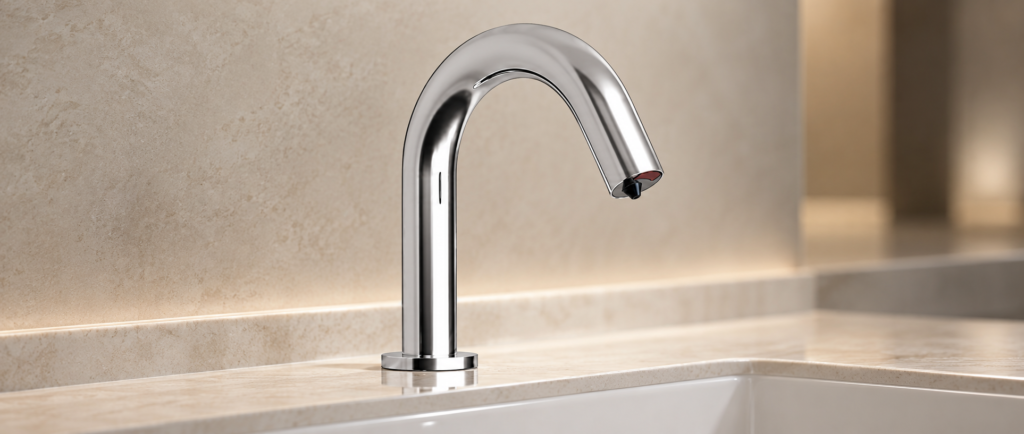
A touchless dispenser should feel intuitive. When users cannot tell where to place their hands, they wave near the wrong area or touch the fixture anyway. Fontana system layouts help reduce confusion by creating a more logical relationship between dispenser, faucet, basin, and user movement.
Making Touchless Use More Natural
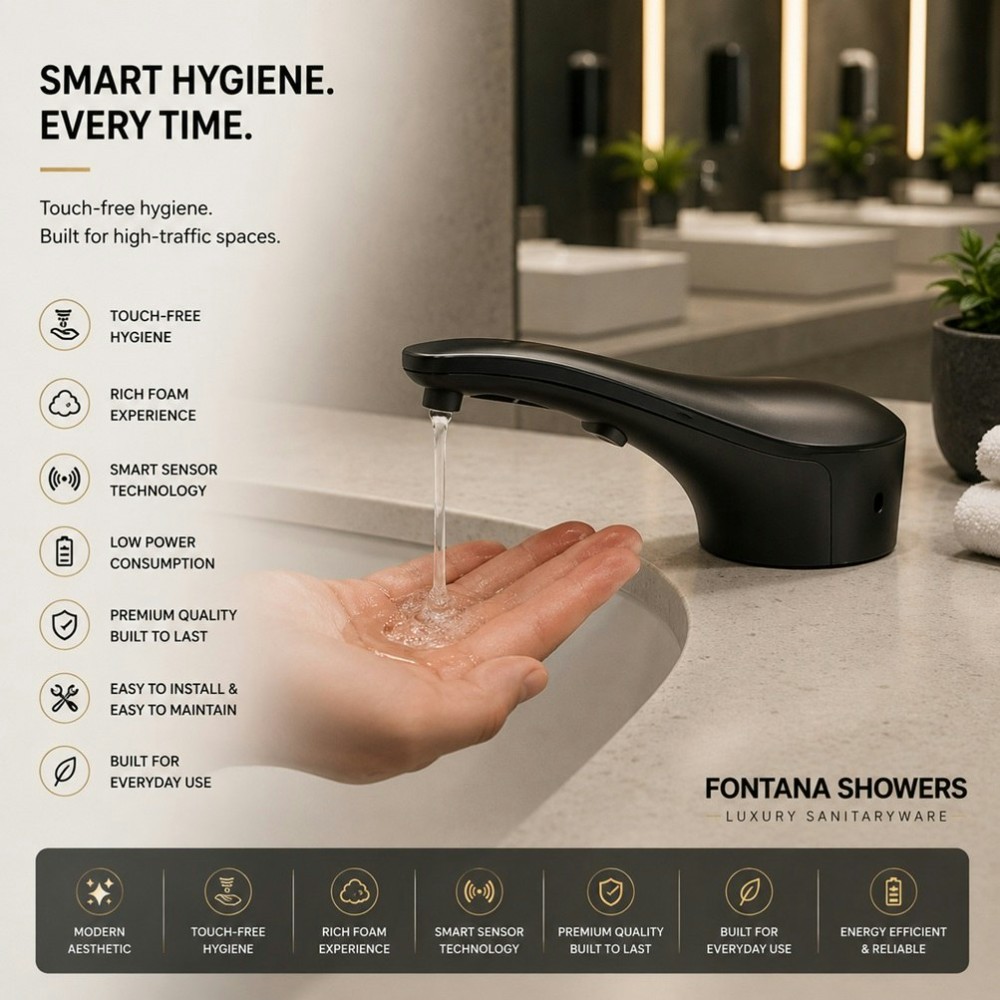
Users respond best when fixtures guide them without instruction. Properly positioned dispensers help create an easy sequence: hands under soap, hands under water, and away from the basin with minimal delay.
Reducing Accidental Touchpoints
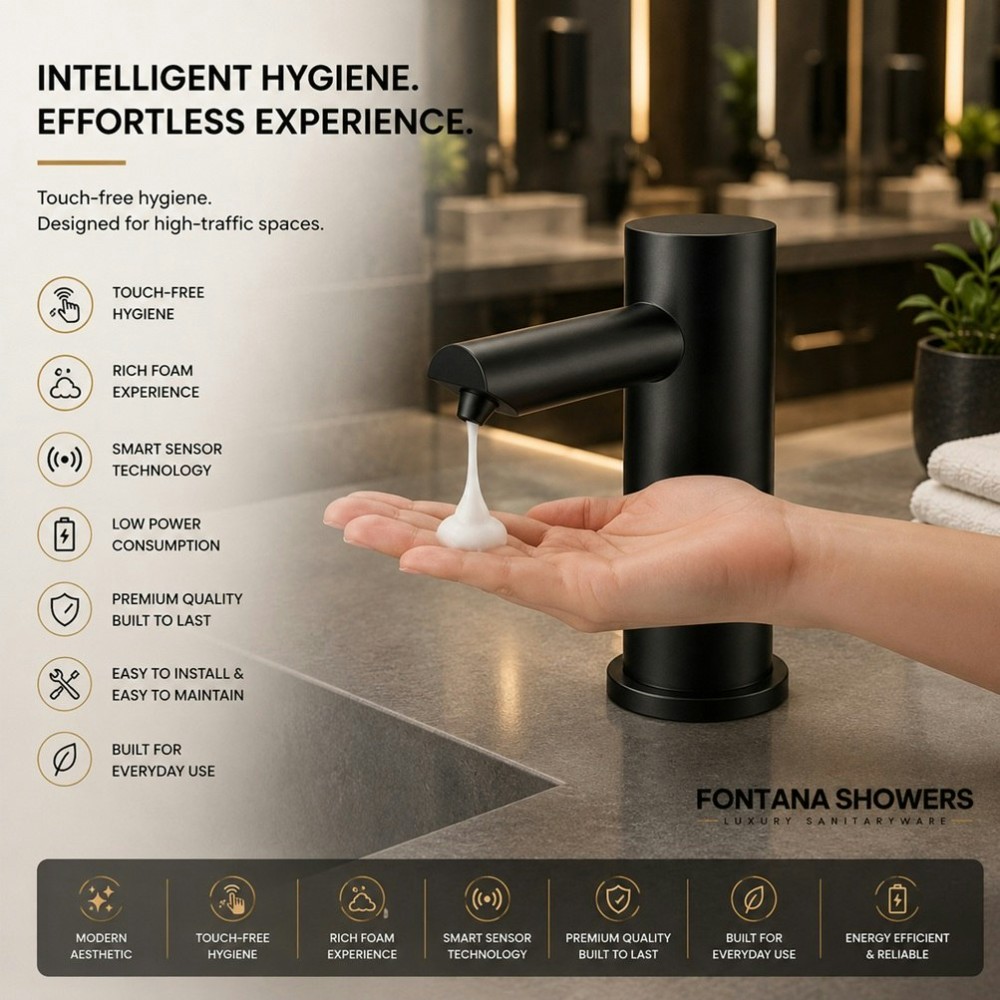
When activation feels predictable, users are less likely to press, tap, or handle the dispenser. This supports the purpose of a touchless restroom system.
A clearer user path also helps reduce restroom congestion during peak periods in hotels, offices, airports, and healthcare buildings.
Frequently Asked Questions
Everything you need to know about touchless soap dispenser confusion and how Fontana solves it
?
Why do users struggle with touchless soap dispensers?
+
Users struggle when sensor placement is unclear or inconsistent. Poor positioning leads to hand waving, touching the fixture, or bypassing soap entirely. Fontana solves this with predictable activation zones and logical fixture relationships.
?
How does Fontana make touchless dispensing more intuitive?
+
Fontana aligns dispenser sensors with natural hand positions and coordinates soap and faucet placement. Users follow an easy sequence: hands under soap, then directly under water without searching or guessing where to wave.
?
Can poor dispenser placement increase restroom congestion?
+
Yes. When users struggle to activate soap, they linger at the sink, wave repeatedly, or step aside confused. This creates bottlenecks during peak hours. Clear placement keeps handwashing lines moving efficiently.
?
How do accidental touchpoints defeat touchless hygiene goals?
+
When users cannot find the sensor zone, they often press, tap, or lean on the dispenser. This reintroduces shared surface contact, defeating the purpose of touchless fixtures. Predictable activation prevents this completely.
?
Are Fontana dispensers suitable for hotels and healthcare?
+
Absolutely. Hotels and healthcare buildings benefit from intuitive touchless systems that reduce guest confusion, support stricter hygiene protocols, and maintain professional appearance without complex user instructions.
?
What makes a touchless dispenser feel predictable?
+
Consistent sensor range, visible activation zone, logical height placement, and coordination with faucet location. Fontana designs all these elements as one unified restroom system, not separate fixtures.
Related Articles
Explore more guides to improve your commercial restroom experience
Touchless Soap Dispenser
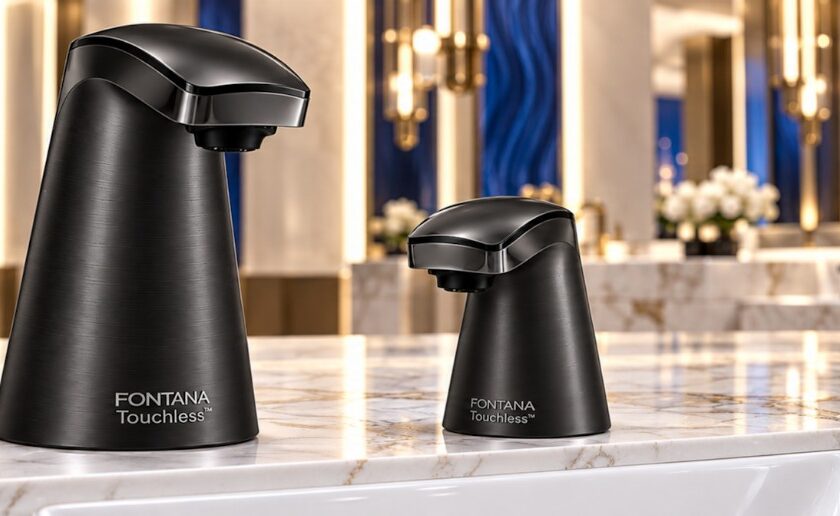
Intuitive sensor placement helps users find the activation zone without waving or touching the fixture.
Sensor Soap Dispenser
Consistent sensor range eliminates guesswork and reduces accidental contact with dispenser surfaces.
Touchless Faucet
Coordinated soap and faucet placement creates a logical handwashing sequence that users follow naturally.
Facility Manager Review: Clear Soap Dispenser Operation Reduces User Confusion
★★★★★ “Simple, reliable dispensing helps improve the restroom user experience.”
In busy commercial restrooms, touchless soap dispensers must be easy for visitors to understand without staff assistance. Fontana automatic soap dispensers help reduce user confusion by providing clear hands-free activation, dependable dispense timing, and consistent soap delivery. This is especially important in airports, hospitals, schools, stadiums, hotels, office buildings, restaurants, and public facilities where users move quickly and expect the dispenser to respond immediately.
From a facility management perspective, reliable sensor detection and proper dispenser placement reduce repeated hand waving, missed activation, over-dispensing, and complaints from restroom users. When the system is properly installed and calibrated, the experience feels intuitive, hygienic, and efficient for both first-time visitors and daily building occupants.
Maintenance Team Review: Support, Calibration, and Parts Availability Improve Long-Term Use
★★★★★ “Knowledgeable technical support makes dispenser setup and troubleshooting easier.”
Preventing confusion with touchless soap dispensers depends not only on the fixture design, but also on proper installation, sensor range, refill setup, soap viscosity compatibility, and maintenance planning. Fontana’s support staff provide helpful guidance for calibration, troubleshooting, refill access, power supply checks, control box diagnostics, and replacement part identification. This support helps maintenance teams keep dispensers operating correctly and reduces avoidable service calls.
Warranty guidance, spare parts availability, and post-installation support also contribute to a better ownership experience. For commercial facilities, fast access to replacement sensors, pumps, control boxes, tubing, and other service components helps minimize downtime while keeping restroom hygiene systems consistent and user-friendly.
Key Review Highlights
- Clear touchless activation reduces user confusion
- Consistent soap dispensing improves restroom experience
- Helpful sensor calibration and setup guidance
- Knowledgeable technical support for troubleshooting
- Support for refill access, tubing, pumps, and control boxes
- Warranty assistance and replacement part availability
- Strong fit for airports, healthcare, education, offices, hotels, and public facilities