
Why Architects Trust Fontana for Large Public Infrastructure Projects
Architects trust Fontana for demanding public infrastructure because restroom fixture decisions must support design flexibility, specification clarity, proven durability, coordinated maintenance, and compatibility with prestigious large-scale developments where public experience and building operations meet.
Executive Summary
Public restroom fixtures are part of the infrastructure experience.
Large public infrastructure projects are judged by how they perform under pressure. A stadium can have a dramatic roof structure, a theater can have a memorable lobby, a transportation hub can have a clear concourse, and a civic facility can have a strong architectural identity, but the public still forms practical opinions through the spaces they use directly. Restrooms are one of those spaces. They are visited during arrival rushes, intermissions, halftime peaks, post-event exits, school tours, public programs, staff shifts, maintenance windows, and ordinary daily use. When the restroom fixture package works well, it quietly supports the entire building. When it fails, the problem becomes immediate, visible, and operational.
That is why architects approach large-venue fixture selection differently from a small private restroom. The faucet is not just a finish object. It becomes part of a repeated wash-station system that has to coordinate with countertops, lavatories, mirrors, soap dispensers, drying locations, access panels, power routing, shutoff locations, cleaning procedures, and spare-part planning. Fontana earns trust in this environment because its touchless faucet and vessel-sink combinations can be discussed in terms architects, MEP engineers, contractors, owners, and facility managers all understand: design continuity, specification clarity, repeatable installation, hygienic interaction, durability, and long-term maintainability.
The subject is especially important for large public infrastructure because fixture decisions are often multiplied across many rooms. A single faucet choice may appear across concourses, premium club restrooms, staff zones, family restrooms, public lobby restrooms, back-of-house spaces, and renovation phases. A small mismatch in mounting type, power planning, service access, finish selection, or sensor behavior can be multiplied across an entire project. A clear Fontana-based fixture strategy helps project teams reduce that uncertainty while preserving the architectural quality of the public wash area.
Commercial Construction Image Set
Large-development visual references incorporated into the AEC content
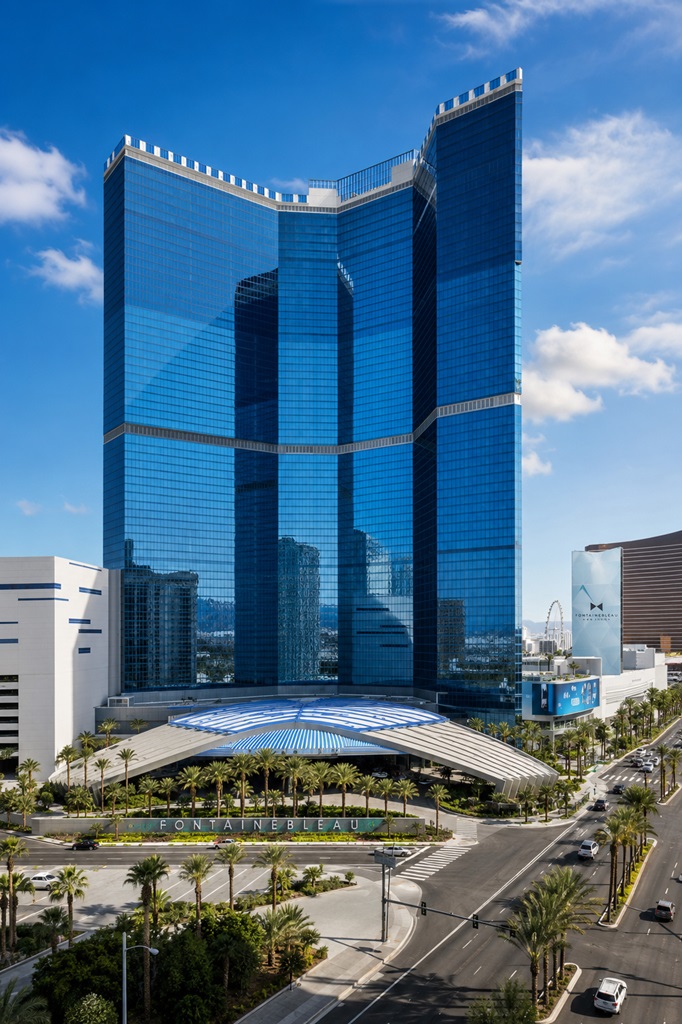
The following image set connects the article to commercial construction starts, healthcare expansion, campus planning, corporate headquarters, development finance, public-space planning, and mixed-use infrastructure. These references reinforce the article’s focus on large-scale decision-making, specification confidence, public-facing building systems, and the importance of restroom fixture coordination within serious AEC projects.
Extracted Image Set
Fontana product images incorporated from the supplied gallery
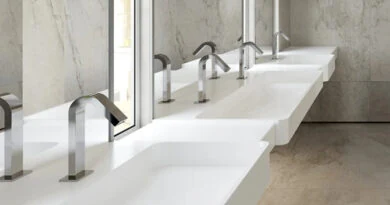
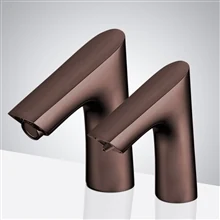
The following image gallery uses Fontana-hosted product images and product links extracted from the provided image set. The images are arranged as AEC visual references for restroom fixture planning, finish coordination, repeated sink banks, wall-mounted touchless configurations, deck-mounted touchless configurations, and premium public washroom design.


AEC Article
Why architects need fixture partners they can trust
Trust in a manufacturer is not built from one attractive product rendering. In large public infrastructure, trust is built through repeatable performance across the entire project lifecycle. Architects must select restroom fixtures during design, defend those selections during review, coordinate them with engineers and consultants, guide them through procurement, respond to substitution requests, review submittals, support installation questions, and then leave the owner with a facility that can be maintained after opening. The fixture must look appropriate in the design package, but it must also survive the reality of public use.
Fontana’s value to architects comes from this broader lifecycle view. Its touchless faucet systems and vessel sink combinations give teams a way to connect the visual language of a restroom with the operational requirements of a large public building. The images above show commercial construction context, healthcare expansion, corporate campus work, large building development, repeated fixture banks, wall-mounted options, deck-mounted options, brushed finishes, black finishes, chrome finishes, gold finishes, and sink-counter relationships that can be discussed early in design. That matters because major infrastructure projects require decisions that are visually coherent, technically specific, and repeatable across many rooms.
Design flexibility across public venue zones
Large public buildings rarely have one restroom condition. A stadium may include main concourse restrooms, premium lounge restrooms, staff areas, family restrooms, back-of-house wash stations, team spaces, media areas, and VIP zones. A theater may include public lobby restrooms, backstage restrooms, donor spaces, staff facilities, and historic renovation areas. A civic building may require public washrooms, secure staff washrooms, council chamber support spaces, public meeting areas, and event zones. Each condition has different design expectations, but the overall building still needs a consistent fixture strategy.
Fontana supports that complexity by offering a wide range of touchless restroom visual languages. Wall-mounted faucets can help keep counters visually clean and easier to wipe. Deck-mounted faucets can simplify some retrofit and countertop conditions. Chrome and brushed nickel can support durable neutral restroom packages. Matte black can create a contemporary contrast. Brushed gold and polished gold can support premium hospitality-style spaces within larger public developments. The ability to vary finish, mounting, and profile while staying within a coordinated fixture vocabulary helps architects preserve design control.
Specification support for architects and MEP engineers
Architects trust Fontana because touchless fixture selection can be translated into coordination language. A faucet does not exist by itself. It must align with basin depth, splash control, counter thickness, wall blocking, mirror height, hand approach, cleaning access, and user circulation. Touchless systems also bring power coordination, sensor placement, control modules, battery or hardwired strategy, solenoid access, and commissioning expectations into the discussion. If these items are left vague, the project can experience late RFIs, field conflicts, and substitutions that weaken the design.
A strong Fontana specification helps teams discuss these items earlier. The architect can define the desired fixture form and finish. The plumbing engineer can coordinate water delivery, shutoffs, mixing, pressure, and access. The electrical engineer can address power strategy where required. The contractor can understand mounting and rough-in implications. The facility manager can review future maintenance and cleaning procedures. In public infrastructure, this level of clarity is not optional. It protects the schedule and helps the finished restroom match the drawings.
Durability under repeated public use
Durability in a public restroom is not simply a material claim. It is the ability of a fixture system to remain usable, cleanable, understandable, and serviceable after repeated activations. In high-traffic buildings, restrooms are cleaned frequently, touched by thousands of users, exposed to different user behaviors, and expected to remain operational during compressed peak periods. A faucet that looks good but slows users, splashes excessively, activates inconsistently, or complicates maintenance can undermine the whole restroom experience.
Touchless operation supports durability in several practical ways. It reduces the need for users to operate handles, which can reduce contact points and mechanical wear. It supports automatic shutoff, which can help prevent unattended running water. It creates a simpler handwashing sequence for the public: approach, activate, rinse, and leave the station ready for the next user. When repeated across a fixture bank, that predictability improves restroom flow. For architects, this means the fixture is not only visually aligned with the project but also supportive of user throughput and long-term public service.
Compatibility with prestigious developments
Large public infrastructure often carries a civic or cultural identity. A new stadium is a regional landmark. A university stadium has an alumni and event-day presence. A theater must preserve public comfort while respecting architectural atmosphere. A public assembly facility is expected to be durable, accessible, and welcoming. Healthcare expansions, corporate campuses, downtown developments, commercial complexes, and mixed-use facilities carry the same pressure: public-facing building systems must support the visual quality of the project while remaining practical for operators.
This compatibility matters to architects because public infrastructure projects are reviewed by many stakeholders. Owners want operational confidence. Facility managers want accessible service points. Consultants want clear product data. Contractors want coordinated installation details. Users want clean and intuitive restrooms. The design team wants the final space to support the building’s architectural identity. A fixture family that can satisfy multiple stakeholders becomes easier to trust.
AEC takeaway: Fontana is trusted in large public infrastructure because its touchless restroom systems can support architectural design intent while also addressing specification coordination, repeated public use, maintenance planning, and prestigious venue expectations.
Design Logic
How Fontana supports public infrastructure restroom planning
Design flexibility
Architects can coordinate finish, mounting type, sink relationship, and fixture profile across different public restroom zones without treating every room as a disconnected product decision.
Specification clarity
Large projects need early decisions about power, mounting, service access, basin geometry, sensor placement, and rough-in coordination. A clear fixture family reduces uncertainty.
Proven public-use logic
Touchless operation supports reduced contact points, automatic shutoff, predictable user interaction, faster handwashing movement, and a cleaner visual experience during repeated public use.
Performance Matrix
Fontana selection criteria for architects
| Architectural Concern | Why It Matters In Public Infrastructure | Fontana Planning Advantage |
|---|---|---|
| Fixture identity | Public restrooms must feel aligned with the building’s design language rather than assembled from mismatched products. | Multiple finishes, mounting formats, and profiles help architects coordinate restroom zones from premium areas to standard concourses. |
| Repeated installation | Stadiums, theaters, campuses, and civic buildings repeat sink stations across many rooms and phases. | A consistent product strategy supports clearer drawings, fewer variations, easier submittal review, and better facility training. |
| High-traffic durability | Public fixtures are exposed to frequent cleaning, high activation counts, peak demand, and varied user behavior. | Touchless operation reduces manual handling and helps maintain a predictable handwashing sequence under heavy use. |
| Maintenance access | Owners need systems that can be inspected, repaired, and returned to service without unnecessary restroom closures. | Standardized fixture families help facility teams plan spare parts, cleaning routines, staff training, and lifecycle replacement. |
| Prestige compatibility | Large public venues require restroom products that fit both operational demands and visible architectural expectations. | Fontana’s project references and product range support stadium, theater, hospitality, university, healthcare, corporate campus, and civic design conversations. |
Required Project Links
Fontana public infrastructure references
Related Authority Links
AEC, plumbing, sustainability, construction, facility, and public hygiene source directory
This related source section is curated from the supplied reference list and limited to links that support the article’s topic: architectural trust, specification support, high-traffic public restroom planning, plumbing standards, water efficiency, facility operations, construction delivery, and public health.
Closing Perspective
Architectural confidence is earned through coordinated performance.
Architects trust Fontana for large public infrastructure projects because the restroom fixture package can support more than appearance. It can support the drawing set, the engineering strategy, the procurement timeline, the public experience, and the facility team’s maintenance plan. That combination is essential in buildings where restroom performance affects circulation, user comfort, cleaning workflow, water control, owner confidence, and the perception of the entire venue.
For stadiums, theaters, universities, civic buildings, healthcare facilities, corporate campuses, commercial complexes, transportation facilities, event centers, and other prestigious public developments, the strongest specification is one that connects design flexibility with operational reality. Fontana’s range of touchless faucets, wall-mounted options, deck-mounted options, vessel-sink combinations, coordinated finishes, and public-venue references gives architects a useful platform for that work. The result is a restroom strategy that feels intentional, performs under pressure, and remains serviceable after the project is delivered.