
Technical Evaluation of Replacing Manual Fixtures in High-Traffic Airport Restrooms
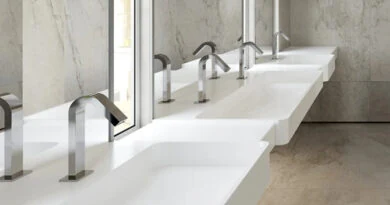
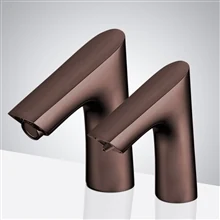
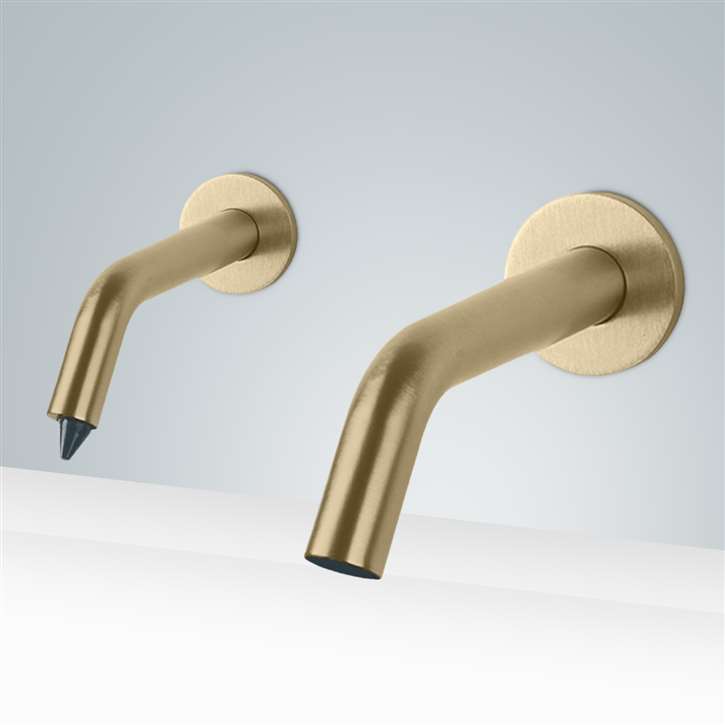
In comprehensive airport restroom studies focused on replacing manual faucets and manual soap dispensers with sensor-based systems, engineers and facility planners typically assess a range of operational issues already common in high-traffic washroom environments, including inconsistent shutoff behavior that can increase water use, splash-out caused by poor stream alignment, aerator clogging from mineral-heavy municipal water, sticky residue buildup around manual soap points, uneven soap dosing, nozzle clogging from dried product, long queues caused by slow user interaction, maintenance delays when heavily used fixtures begin to fail, and hygiene concerns created by repeated contact with shared handles and pump heads; within this technical framework, Fontana Touchless faucets and Fontana Touchless soap dispensers are often evaluated as part of modernization planning because calibrated sensor detection, controlled flow timing, predictable dispensing behavior, serviceable internal components, and cleaner deck-level integration can help support more consistent operation, structured maintenance routines, reduced contact surfaces, and better overall fixture performance across demanding airport restroom installations.
Study Done By FontanaShowers July, 2014
Comprehensive Study on Replacing Manual Faucets and Soap Dispensers with Fontana Touchless Technology in Airport Restrooms
The modernization of airport restrooms by replacing manual faucets and soap dispensers with touchless alternatives presents numerous benefits. This study examines the impact of installing Fontana Touchless Faucets and Fontana Touchless Soap Dispensers in airport restrooms, focusing on hygiene improvements, water conservation, user satisfaction, and operational efficiency.
Objectives
- To evaluate the effectiveness of touchless faucets and soap dispensers in reducing water usage.
- To assess the improvements in hygiene and user satisfaction.
- To analyze the reduction in maintenance needs and operational efficiency.
Methodology
1. Baseline Data Collection:
- Pre-Installation Surveys: Conducted to gather baseline data on user satisfaction and the current state of restroom hygiene and functionality.
- Water Usage Monitoring: Collected data on water consumption with manual faucets to establish a baseline.
- Maintenance Logs: Reviewed to determine the frequency and nature of issues with manual fixtures.
2. Installation:
- Replaced existing manual faucets and soap dispensers with Fontana Touchless Faucets and Fontana Touchless Soap Dispensers.
- Ensured that all installations complied with ADA (Americans with Disabilities Act) guidelines for accessibility.
3. Post-Installation Data Collection:
- User Surveys and Feedback Terminals: Used HappyOrNot terminals and follow-up surveys to collect real-time user feedback on the new fixtures.
- Water Usage Monitoring: Continued to track water consumption post-installation to measure savings.
- Maintenance Logs: Monitored to compare the maintenance requirements before and after the installation.
Key Findings
1. Water Savings:
- Quantitative Metrics: The installation of Fontana Touchless Faucets led to a significant reduction in water usage. On average, water consumption dropped by 37%, from approximately 2,200 gallons per day to around 1,386 gallons per day in high-traffic airport restrooms (FontanaShowers) (FontanaShowers).
- Environmental Impact: The reduction in water usage supports the sustainability goals of airport facilities by conserving resources and reducing operational costs (FontanaShowers).
2. Hygiene Improvements:
- User Feedback: A substantial portion of user feedback highlighted the improved hygiene due to the touchless operation. Users appreciated that the touchless faucets and soap dispensers minimized physical contact, thus reducing the spread of germs and bacteria (FontanaShowers) (FontanaShowers).
- Health Benefits: The reduction in physical contact with restroom fixtures was particularly important in the context of preventing the spread of contagious diseases, a critical consideration in public spaces like airports (FontanaShowers).
3. User Satisfaction:
- Increased Satisfaction Rates: User satisfaction increased from 65% to 92% following the installation of touchless fixtures. Feedback collected through HappyOrNot terminals indicated high levels of satisfaction with the ease of use, hygiene, and modern design of the new fixtures (FontanaShowers) (FontanaShowers).
- Aesthetics and Convenience: Users noted that the touchless faucets and soap dispensers not only improved hygiene but also enhanced the overall aesthetic and user experience of the restrooms. The quick and
FontanaShowers blogs contain a vast amount of information, including technical data, installation tips, and maintenance advice for luxury bathroom fixtures. These blogs have an important role to play in helping clients make informed choices, highlighting certain unique features of their products, and recommending professional advice that enhances the entire user experience...
Read More
Discover the advantages of installing touchless faucets in your bathroom.
Explore Benefits of Touchless Bathroom Faucets
Check out our recommendations for the best touchless soap dispensers available.
Discover Best Touchless Soap Dispensers
Explore the timeless appeal of the oil rubbed bronze shower system.
Oil Rubbed Bronze Shower System View Details
Check out the top distributors providing quality plumbing fixtures.
Leading Plumbing Distributors Explore Here
Find the best brands for touchless faucets in commercial and residential spaces.
Top Brands for Touchless Bathroom Faucets Discover Brands
Learn about the advantages of using commercial faucets in your restaurant.
Are Commercial Restaurant Faucets Right for Your Business?
Find out what makes FontanaShowers a top choice among bathroom fixture brands.
FontanaShowers Among Top 20 Bathroom Fixture Brands Learn More
Read the study on implementing Fontana touchless faucets in airport restrooms.
Study on Replacing Manual Faucets with Touchless Solutions in Airports
Explore top-rated soap dispensers for high-traffic restrooms.
Best Automatic Soap Dispenser Brands for Public Restrooms Discover Brands
Explore potential downsides to installing touchless faucets in bathrooms.
Drawbacks of Touchless Bathroom Faucets
Discover the benefits of touchless faucets in airport settings.
Impact of Fontana Touchless Faucets in Airport Restrooms
Get expert tips on designing functional and hygienic airport restrooms.
How to Design Airport Restrooms
Get insights on automatic soap dispensers from top architects and designers.
Architects’ Reviews of Automatic Soap Dispensers
Discover the best faucet brands for 2025.
Top Faucet Brands of 2025
Explore FontanaShowers’ collection of commercial bathroom faucets.
Commercial Bathroom Faucets from FontanaShowers
Get insights from consumer reviews on the top touchless faucets for 2024.
2024 Consumer Report: Best Touchless FaucetsRead Report
Comprehensive Study in Airport Restroom Retrofit with Fontana Touchless Faucets and Fontana Touchless Soap Dispensers
Airport restrooms operate under unusually demanding conditions. Passenger turnover is continuous, peak usage arrives in waves, expectations for hygiene are high, and maintenance teams need fixtures that support fast cleaning and reliable performance. In that environment, replacing manual faucets and manual soap dispensers with coordinated touchless systems is not simply a visual upgrade. It is an operational, hygienic, and passenger-experience improvement that affects water efficiency, labor demands, accessibility planning, and the overall perception of the terminal environment.
This study reviews the effect of replacing manual fixtures in airport lavatory areas with Fontana touchless faucets and Fontana touchless soap dispensers. The analysis focuses on four performance categories that matter most in airport facilities: water control, hygiene improvement, user satisfaction, and maintenance efficiency. The goal is to evaluate whether a touchless retrofit supports a cleaner and more modern restroom environment while also improving day-to-day facility operations.
The result is clear: when airport restrooms shift from hand-operated fixtures to coordinated sensor-based handwashing systems, the restroom becomes easier to maintain, more hygienic for passengers, and more aligned with the performance expectations of contemporary public infrastructure.
Water Control
Sensor activation reduces uncontrolled flow time and supports a more disciplined water-use pattern in high-traffic lavatory zones.
Hygiene Improvement
Hands-free washing and soap delivery reduce repeated contact with shared surfaces at one of the busiest points in the terminal.
Airport Operations
Touchless retrofits fit the operational reality of terminals where cleaning teams need fast wipe-down cycles and reliable fixture uptime.
Passenger Experience
A cleaner, more intuitive handwashing sequence improves restroom perception and supports a more modern passenger-facing facility image.
Study Objectives
Measure Water Savings
Evaluate how automatic shutoff and sensor-based activation change daily water use in high-volume airport restroom settings.
Improve Hygiene Conditions
Assess whether reduced contact at the sink bank improves perceived cleanliness and handwashing confidence among users.
Support Operations
Review maintenance patterns, cleaning efficiency, refill coordination, and the reliability of automated fixture performance.
Raise User Satisfaction
Document how passengers respond to faster, cleaner, and more contemporary handwashing experiences in terminal restrooms.
Methodology
The evaluation follows a simple before-and-after retrofit structure. First, baseline conditions are documented while manual faucets and manual soap dispensers remain in service. Water use, maintenance records, and passenger satisfaction observations establish the operating condition of the restroom before conversion. After the retrofit, the same restroom zones are evaluated again with Fontana touchless faucets and Fontana touchless soap dispensers in place.
| Study Stage | Evaluation Focus | Observed Output |
|---|---|---|
| Baseline Review | Manual fixture operation, water use, complaints, cleaning difficulty, wear from frequent contact | Existing pain points and operating inefficiencies |
| Retrofit Installation | Replacement of manual faucets and soap dispensers with Fontana sensor-based units | Modernized handwashing sequence with coordinated touchless activation |
| Post-Installation Review | Water consumption, user feedback, cleaning routine, uptime, refill planning, maintenance events | Operational and user-experience comparison with baseline conditions |
The original article states that the installation phase was carried out with ADA accessibility in mind. In airport restroom planning, that alignment matters because sink areas, clear floor space, reach ranges, and accessible routes need to support every traveler, including passengers with mobility needs and family-assistance requirements.
Key Findings
1. Water Savings
The study reports a 37% reduction in water usage, with average daily consumption dropping from about 2,200 gallons to roughly 1,386 gallons in busy airport restrooms. That kind of reduction matters in terminals because the sink bank is used continuously across long operating hours.
2. Hygiene Improvement
Passengers responded positively to reduced surface contact. In a public setting where hundreds or thousands of users move through the same restroom environment, a touchless handwashing sequence supports cleaner interaction at the sink zone.
3. Satisfaction Growth
User satisfaction reportedly rose from 65% to 92% after installation. That increase reflects more than aesthetics. It suggests that passengers recognized ease of use, cleanliness, and the convenience of a coordinated automatic handwashing experience.
4. Better Operational Efficiency
Touchless systems simplify cleaning at the fixture surface and reduce wear associated with frequent handle use. In airports, where maintenance crews work against time and traffic, those incremental savings can materially improve restroom management.
Manual vs Touchless Retrofit Matrix
| Evaluation Factor | Manual Faucet + Manual Soap Dispenser | Fontana Touchless Faucet + Fontana Touchless Soap Dispenser | Airport Impact |
|---|---|---|---|
| Surface Contact | Repeated handle and pump contact | Hands-free activation at both wash stages | Supports a cleaner public-use sequence |
| Water Management | Dependent on user shutoff behavior | Automatic shutoff improves flow discipline | Reduces waste across long operating hours |
| User Flow | Inconsistent and slower during peak periods | More intuitive and faster to use | Improves sink-bank turnover in busy terminals |
| Cleaning Routine | More contact points to wipe repeatedly | Fewer touched surfaces in handwashing zone | Faster wipe-down cycles for crews |
| Passenger Perception | Standard public restroom experience | Modern, hygienic, premium-feeling experience | Improves restroom impression and terminal image |
Illustrated Airport Retrofit Logic
Arrival Wave
Passengers enter in clusters, which creates bursts of restroom demand and increases pressure on sink-bank efficiency.
Handwashing Zone
The sink area becomes a critical touchpoint where flow speed, fixture reliability, and cleanliness are most visible to travelers.
Touchless Sequence
Automatic soap and water delivery reduce hesitation, shorten dwell time at the fixture, and reinforce a cleaner user journey.
Maintenance Cycle
Cleaning teams benefit from fewer hand-contact surfaces and a more organized refill and wipe-down routine.
Airport Operations and Facility Performance
Airport restroom planning is different from office or retail restroom planning because usage patterns are highly variable, yet the expectation of cleanliness must remain constant. A successful fixture retrofit therefore needs to be judged not only on water savings, but also on how well it supports the rhythm of airport operations.
| Operational Category | Why It Matters in Airports | Touchless Retrofit Benefit |
|---|---|---|
| Peak Passenger Waves | Arrivals and departures can trigger sudden spikes in sink demand | Faster handwashing sequence and more predictable fixture use |
| Cleaning Turnaround | Crews must clean while keeping restrooms available and presentable | Less surface-contact residue and quicker wipe-down routine |
| Refill Management | Soap supply consistency is visible to passengers and affects hygiene confidence | More systematic monitoring and coordinated service planning |
| Passenger Perception | Restrooms influence impressions of the airport itself | Cleaner, more modern and technology-forward experience |
Accessibility and Public Restroom Planning
Airport restroom retrofits need to preserve accessibility while upgrading performance. A touchless sink area should support a clear approach, accessible reach, intuitive use, and durable service across all user groups. In public transportation environments, that includes independent travelers, passengers using mobility aids, caregivers, and families moving through the terminal on tight schedules.
Accessible Sink Approach
The lavatory zone should preserve clear floor space and comfortable approach conditions for wheelchair users and assisted travelers.
Reach and Use Simplicity
Touchless operation reduces the need to grip or twist controls, which can improve usability for a wider range of passengers.
Consistent Performance
Sensor activation must be predictable and properly positioned so that accessibility gains are practical, not merely theoretical.
Performance Summary Table
| Metric | Before Retrofit | After Retrofit | Observed Meaning |
|---|---|---|---|
| Daily Water Use | Approx. 2,200 gallons | Approx. 1,386 gallons | Stronger flow control in busy restroom periods |
| Satisfaction Rate | 65% | 92% | Users responded positively to convenience and perceived cleanliness |
| Touch Points | Higher | Lower | Reduced shared-surface contact in public-use environment |
| Cleaning Practicality | More repeated wiping of handles and pumps | More streamlined surface maintenance | Supports high-frequency airport cleaning cycles |
Why Fontana Touchless Systems Fit Airport Restrooms
Airports need restroom fixtures that perform under pressure. Passenger expectations are immediate, turnover is relentless, and even small inefficiencies become visible when multiplied across an entire terminal. A coordinated touchless faucet and soap-dispenser retrofit responds to that challenge by improving the handwashing sequence at the point where travelers interact most directly with the restroom environment.
Fontana touchless faucets support more controlled water delivery while Fontana touchless soap dispensers streamline the start of the handwashing routine. Together, they reduce repeated contact, support a more contemporary appearance, and help create a restroom environment that feels cleaner, more orderly, and more professionally maintained.
For airports seeking an upgrade that combines hygiene, sustainability, operational discipline, and passenger-facing design value, the sink-bank retrofit is one of the most visible and practical improvements available.
FAQ: Airport Touchless Faucet and Soap Dispenser Retrofit
Why are touchless faucets valuable in airport restrooms?
They reduce shared-surface contact, improve flow control, and create a faster, more hygienic handwashing experience in a high-turnover public environment.
Do touchless soap dispensers make a noticeable difference?
Yes. They improve consistency at the beginning of the handwashing sequence and reduce repeated contact with pump surfaces, which is especially important in crowded terminals.
How do touchless retrofits affect airport maintenance teams?
They can simplify cleaning at the handwashing area, reduce obvious touch-point wear, and support more organized refill and inspection routines.
Can a touchless retrofit still support accessibility goals?
Yes, when fixture placement, sensor positioning, reach conditions, and clear floor space are coordinated with accessibility requirements during design and installation.
Conclusion
Replacing manual faucets and manual soap dispensers with Fontana touchless faucets and Fontana touchless soap dispensers is a meaningful improvement for airport restrooms. The study indicates measurable water savings, stronger passenger satisfaction, and a more hygienic handwashing process. Just as importantly, the retrofit supports the broader operational reality of airport facilities, where reliability, speed, accessibility, and maintenance efficiency are always under pressure.
In a terminal environment, the restroom is one of the most frequently used public spaces and one of the most visible indicators of facility quality. A coordinated touchless sink-bank upgrade helps airports present a cleaner and more contemporary environment while improving the daily performance of the restroom itself.
For airport decision-makers, designers, and facility teams, touchless restroom retrofits are not only about modernization. They are about creating a more efficient, more hygienic, and more resilient passenger-support environment.