
How to Design Restroom in Airport Facilities
Airport Washroom
The rest room in the airport should be designed for functionality, accessibility, cleanliness, and user experience. These are major steps and considerations: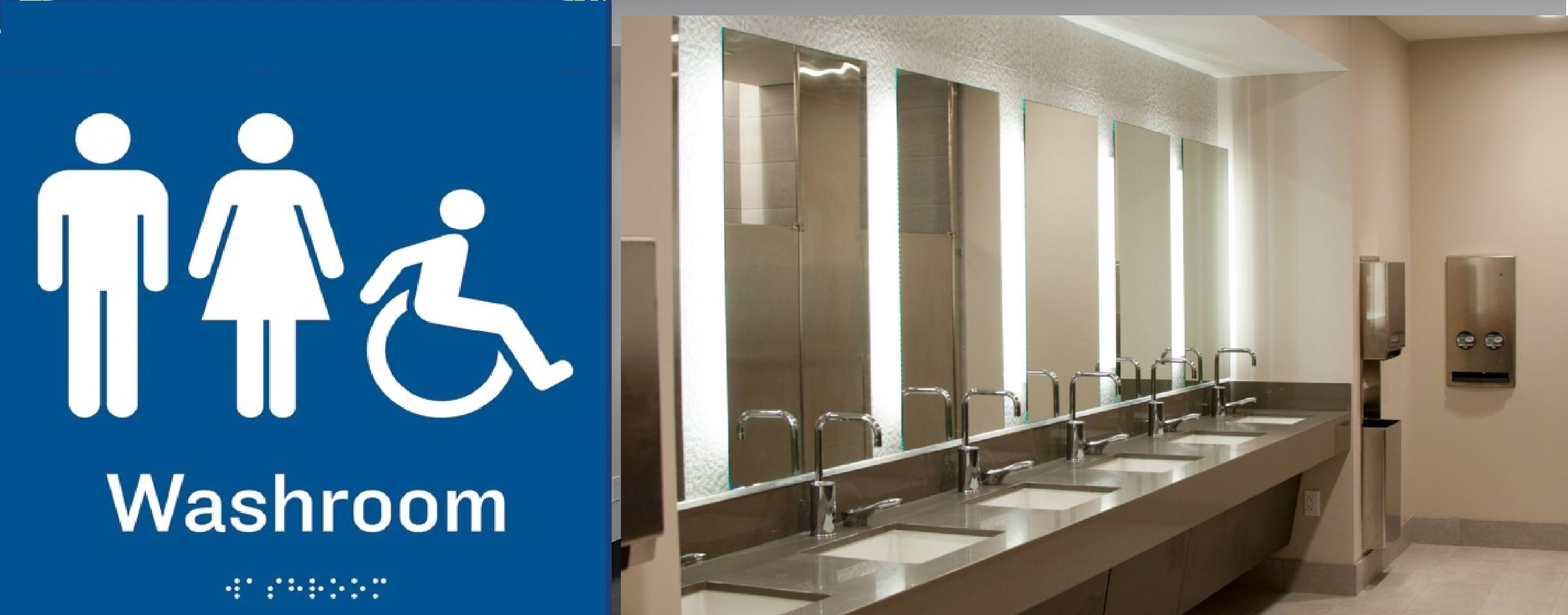 1. Space Planning
Space: Leave sufficient space to accommodate multiple users.
Facilities should be provided separately for males, females, and families: Family restrooms are to be fitted with changing stations and a place for laying strollers.
2. Accessibility:
Disability requirements in compliance with the Americans with Disabilities Act, ADA or any local directives
Wider stalls so that a wheel chair can enter
3. Support Bars:
Support bars for disabled persons
Lower Sinks and Mirrors Lowered sinks and mirrors for easy accessibility
Hygiene and Sanitation
Touchless fixtures to reduce Germs from Touching: Faucets, soap dispensers, hand dryers
Materials more durable, easier to clean, high quality.
Adequate Ventilation: Good ventilation to ensure good air quality and reduce odors.
Regular Cleaning: Easy schedules of maintenance and cleaning, designed and carried out regularly.
4. Flow and Efficiency
Clear Signage: In clear, multilingual signage that assists travelers in navigating
Efficient Layout: The layout shall avoid bottlenecks and ensure smooth flows
Multiple Stations: Ensure multiple sinks, stalls, and urinals to cope with peak traffic
5. Comfort and Aesthetics
Ambient Lighting: Good lighting for a welcoming atmosphere.
Sound Control: Noise-reducing materials are to be provided to reduce noise and make it more bearable.
Decor: Aesthetic design features can be implemented but serve to have a purposeful function.
6. Family-Friendly Features
Changing Stations: Diaper change stations will be delivered in the men’s and women’s bathroom.
Nursing Rooms: Private nursing rooms for mothers are to be added.
7. Technology Integration
Real-Time Monitoring: The installation of systems that monitor the cleanliness of restrooms and their supply should be installed and monitored in real-time
Feedback Systems: Feedback system to be installed to let travellers provide their concerns or opinions on the condition of the restroom
8. Sustainability
Low-Flow Fixtures: Low-flush toilets and low-flow faucets for water conservation purposes
Sustainable Materials: Using sustainable building materials for construction purposes
Energy Efficiency: With energy-efficient lighting and ventilation systems
Sample Floor Plan:
Entrance: A clean, open area with clear signage
Sink Area: Touchless sinks with soap dispensers and hand dryers
Stall Area: Individual stalls that have adequate spacing, including support bars and auto flushes
Family Restroom: A private room with changing tables and more space for strollers and nursing areas.
Keeping these points in consideration, at the airport facility, you will design restrooms meant to serve all travelers, offering comfort, cleanliness, and accessibility.
Hygiene and Sanitation in Airport Restroom Design
Among other major characteristics of the airport restroom design should be perfect hygiene and sanitation; after all, it is going to get huge numbers of visitors. To this effect, an effective design would include touchless fixtures, proper materials, good ventilation, and cleaning schedules. These will combine to set up a clean, safe, and enjoyable ambiance for travelers.
1. Space Planning
Space: Leave sufficient space to accommodate multiple users.
Facilities should be provided separately for males, females, and families: Family restrooms are to be fitted with changing stations and a place for laying strollers.
2. Accessibility:
Disability requirements in compliance with the Americans with Disabilities Act, ADA or any local directives
Wider stalls so that a wheel chair can enter
3. Support Bars:
Support bars for disabled persons
Lower Sinks and Mirrors Lowered sinks and mirrors for easy accessibility
Hygiene and Sanitation
Touchless fixtures to reduce Germs from Touching: Faucets, soap dispensers, hand dryers
Materials more durable, easier to clean, high quality.
Adequate Ventilation: Good ventilation to ensure good air quality and reduce odors.
Regular Cleaning: Easy schedules of maintenance and cleaning, designed and carried out regularly.
4. Flow and Efficiency
Clear Signage: In clear, multilingual signage that assists travelers in navigating
Efficient Layout: The layout shall avoid bottlenecks and ensure smooth flows
Multiple Stations: Ensure multiple sinks, stalls, and urinals to cope with peak traffic
5. Comfort and Aesthetics
Ambient Lighting: Good lighting for a welcoming atmosphere.
Sound Control: Noise-reducing materials are to be provided to reduce noise and make it more bearable.
Decor: Aesthetic design features can be implemented but serve to have a purposeful function.
6. Family-Friendly Features
Changing Stations: Diaper change stations will be delivered in the men’s and women’s bathroom.
Nursing Rooms: Private nursing rooms for mothers are to be added.
7. Technology Integration
Real-Time Monitoring: The installation of systems that monitor the cleanliness of restrooms and their supply should be installed and monitored in real-time
Feedback Systems: Feedback system to be installed to let travellers provide their concerns or opinions on the condition of the restroom
8. Sustainability
Low-Flow Fixtures: Low-flush toilets and low-flow faucets for water conservation purposes
Sustainable Materials: Using sustainable building materials for construction purposes
Energy Efficiency: With energy-efficient lighting and ventilation systems
Sample Floor Plan:
Entrance: A clean, open area with clear signage
Sink Area: Touchless sinks with soap dispensers and hand dryers
Stall Area: Individual stalls that have adequate spacing, including support bars and auto flushes
Family Restroom: A private room with changing tables and more space for strollers and nursing areas.
Keeping these points in consideration, at the airport facility, you will design restrooms meant to serve all travelers, offering comfort, cleanliness, and accessibility.
Hygiene and Sanitation in Airport Restroom Design
Among other major characteristics of the airport restroom design should be perfect hygiene and sanitation; after all, it is going to get huge numbers of visitors. To this effect, an effective design would include touchless fixtures, proper materials, good ventilation, and cleaning schedules. These will combine to set up a clean, safe, and enjoyable ambiance for travelers.
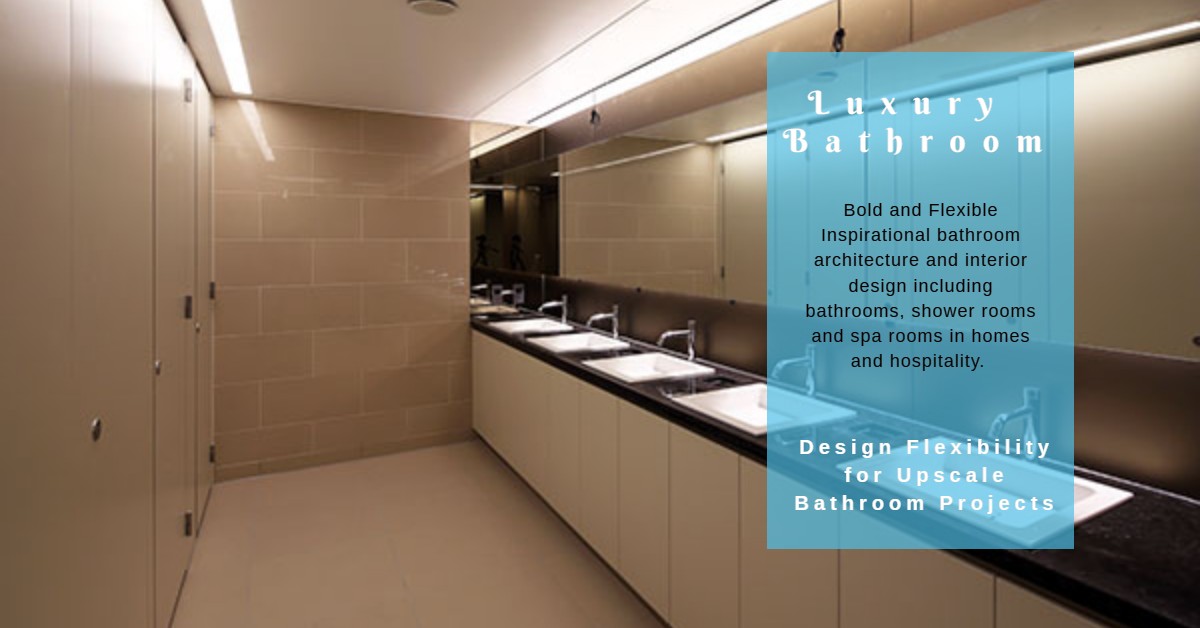 Touchless Fixtures
1. Touchless Faucets:
Touchless faucets are essential to reduce germs. With the help of installed sensors, fixtures automatically start the flow and stop it when hands are no more there. This thereby reduces contact to a large extent. Such technology does not only promote hygiene but also saves water by not allowing its flow without hand presence. Touchless faucets would greatly reduce cross-contamination in places of heavy traffic, such as an airport where many different people utilize the facilities.
2. Touchless Soap Dispensers:
Touchless soap dispensers provide extra restroom hygiene. The soap dispensers utilize sensors to dispense the soap without touching, hence minimizing the act of touching. This makes sure that the bacteria and viruses are not spread since these microorganisms survive on the touched surface. The soaps dispersion has to be ensured along with its functionality at all times to maintain cleanliness standards.
3. Touchless Hand Dryers:
Sensor hand dryers replace paper towels in a hygienic way. Their high speed, HEPA-filter type, can dry the hands fast and trap the air. This speed with air purification really minimizes the amount of germs being spread. Just be sure to consider how loud the dryer will be because some high speed hand dryers can be quite loud and might disturb surrounding areas.
4. Touchless Toilet Flush Systems:
Installing touchless flush systems in toilets and urinals can improve hygiene. The touchless flush systems flush automatically after use, hence reducing contact by physical energy and thus the facilities remain clean for the next user. Automatic flushing also helps in maintaining the cleanliness of the restrooms as a whole by ensuring that the waste is flushed out timely.
Good Quality Materials
1. Durability and Ease of Cleaning:
selecting good quality, hard-wearing, and easily cleanable materials is important for airport restrooms. Such materials include stainless steel, porcelain, and solid surface countertops that work well because they are solid with resistance to stains and odors. These materials can withstand rigorous cleaning protocols in high-traffic environments.
2. Non-Porous Surfaces:
Non-porous surfaces for the countertops, sinks, and floors do not allow liquid absorption and thereby avoid bacterial and mold growth. This makes sanitizing easier and restrooms are much easier to clean. Seamless installation of solid surface materials avoids joints and crevices where dirt and bacteria settle in.
3. Anti-Microbial Coatings:
Additional anti-microbial coatings on high-touch surfaces, such as door handles, faucet levers, and toilet seats, prevent the multiplication of bacteria and viruses. Extra protection to raise the hygiene factor of the restroom is provided with these coatings. In this regard, these coatings are regularly reapplied and maintained.
4. Slip-Resistant Flooring:
The floor should be hard and, nevertheless, not slippery to provide complete safety and hygiene. All types of materials that have textured surfaces, like ceramic tiles, or anti-slip treatments can prevent accidents and guarantee easy cleaning. Its regular maintenance avoids the accumulation of dirt and bacteria by sealing the grout lines.
Adequate Ventilation
1. Management of Air Quality:
Proper ventilation serves as the backbone of air quality maintenance and reduction of odors existing within restrooms across any airport. The ventilation systems shall be designed to exchange air continuously, removing unwanted odors and airborne contaminants in the process. A HEPA system can be added to trap fine particles, including bacteria and viruses.
2. Extraction Fans:
More powerful exhaust fans would enable easy expulsion of moist air and bad odors, providing freshness and a pleasant environment. Install the exhaust fans at locations that assure their maximum effectiveness—near toilets and urinals, where most odors originate.
3. Air Purification Systems:
Advanced air purification systems may then be used, including UV light and ionization technology, to further enhance air quality. Some of those systems can reportedly neutralize airborne pathogens to provide additional protection. Filter replacements, cleaning, and proper servicing ensure the efficient functioning of these systems.
4. Natural Ventilation:
Where practical, the inclusion of some features that can facilitate natural ventilation may enhance internal air quality. Skylights or operable windows allow for natural exchange and reduce the load on mechanical systems. This will also have the added benefit of creating an enhanced ambiance from the restroom, which can be attractive for users.
Routine Cleaning
1. Cleaning Procedures:
It is imperative to form and implement strict cleaning standards in the airport restrooms. These would stipulate how and when all areas were cleaned, particularly high-touch areas like door handles, faucets, and soap dispensers. Lastly, the use of a hospital-grade disinfectant assures that all surfaces are fully sanitized.
2. Staff Training:
Its effective maintenance requires properly trained cleaning staff. The staff needs training on the usage of cleaning agents, equipment, and techniques so that cleaning may be done properly and effectively. Refresher courses in training and following the laid-down procedures garner the output of maintaining cleaning standards.
3. Real-Time Monitoring:
Real-time monitoring systems can be installed and maintained for keeping the cleanliness level. The sensors might check the pattern of usage and automatically trigger the flags to the cleaning staff. Automatic counters that track users may signal a need for cleaning automatically when a certain threshold has been reached, thus assuring restrooms are cleaned before they get too dirty.
4. Cleaning Schedules:
Ensuring that restrooms remain clean throughout the day could be developed and adhered to using a strict cleaning schedule. Cleaning schedules could be increased during periods of heavy traffic, like during peak flight arrivals and departures. Visible cleaning schedules may also reassure users that the facilities are regularly maintained.
5. Feedback Systems:
Ensure high standards are maintained by providing a system for users to report cleanliness issues. Touchscreen kiosks or QR codes linked to feedback forms allow travellers to report problems easily. Prompt responses to feedback ensure that issues are dealt with quickly, improving user satisfaction.
6. Waste Management:
Effective waste management systems help in cleanliness. There should be enough numbers of the bins within restrooms and changed frequently. Touchless trash cans reduce the touch associated with wastes. Also, recycling bins for paper towels and other recyclable promote environmental sustainability.
7. Supply and Restock:
Therefore, ensuring the toilet paper, soap, and hand towels are always available means satisfaction of the users and hygiene. In that respect, the automated inventory system will ensure that the staff is notified to replenish the supplies before they run out of stock so that users can always have what they need.
Designing hygiene- and sanitation-friendly airport restrooms demands an integrated approach to touchless fixtures, quality materials, good ventilation, and cleaning schedules. All these factors go a long way in ensuring that travelers are provided with cleanliness, safety, and a good experience. If such factors were to be put into consideration, then facilities at the airport would improve the passenger experience since the spread of germs is reduced and a clean record of the facility is upheld. These standards are assured of delivery through advanced technologies and rigorous maintenance schedules, hence giving each user peace of mind.
Touchless Fixtures
1. Touchless Faucets:
Touchless faucets are essential to reduce germs. With the help of installed sensors, fixtures automatically start the flow and stop it when hands are no more there. This thereby reduces contact to a large extent. Such technology does not only promote hygiene but also saves water by not allowing its flow without hand presence. Touchless faucets would greatly reduce cross-contamination in places of heavy traffic, such as an airport where many different people utilize the facilities.
2. Touchless Soap Dispensers:
Touchless soap dispensers provide extra restroom hygiene. The soap dispensers utilize sensors to dispense the soap without touching, hence minimizing the act of touching. This makes sure that the bacteria and viruses are not spread since these microorganisms survive on the touched surface. The soaps dispersion has to be ensured along with its functionality at all times to maintain cleanliness standards.
3. Touchless Hand Dryers:
Sensor hand dryers replace paper towels in a hygienic way. Their high speed, HEPA-filter type, can dry the hands fast and trap the air. This speed with air purification really minimizes the amount of germs being spread. Just be sure to consider how loud the dryer will be because some high speed hand dryers can be quite loud and might disturb surrounding areas.
4. Touchless Toilet Flush Systems:
Installing touchless flush systems in toilets and urinals can improve hygiene. The touchless flush systems flush automatically after use, hence reducing contact by physical energy and thus the facilities remain clean for the next user. Automatic flushing also helps in maintaining the cleanliness of the restrooms as a whole by ensuring that the waste is flushed out timely.
Good Quality Materials
1. Durability and Ease of Cleaning:
selecting good quality, hard-wearing, and easily cleanable materials is important for airport restrooms. Such materials include stainless steel, porcelain, and solid surface countertops that work well because they are solid with resistance to stains and odors. These materials can withstand rigorous cleaning protocols in high-traffic environments.
2. Non-Porous Surfaces:
Non-porous surfaces for the countertops, sinks, and floors do not allow liquid absorption and thereby avoid bacterial and mold growth. This makes sanitizing easier and restrooms are much easier to clean. Seamless installation of solid surface materials avoids joints and crevices where dirt and bacteria settle in.
3. Anti-Microbial Coatings:
Additional anti-microbial coatings on high-touch surfaces, such as door handles, faucet levers, and toilet seats, prevent the multiplication of bacteria and viruses. Extra protection to raise the hygiene factor of the restroom is provided with these coatings. In this regard, these coatings are regularly reapplied and maintained.
4. Slip-Resistant Flooring:
The floor should be hard and, nevertheless, not slippery to provide complete safety and hygiene. All types of materials that have textured surfaces, like ceramic tiles, or anti-slip treatments can prevent accidents and guarantee easy cleaning. Its regular maintenance avoids the accumulation of dirt and bacteria by sealing the grout lines.
Adequate Ventilation
1. Management of Air Quality:
Proper ventilation serves as the backbone of air quality maintenance and reduction of odors existing within restrooms across any airport. The ventilation systems shall be designed to exchange air continuously, removing unwanted odors and airborne contaminants in the process. A HEPA system can be added to trap fine particles, including bacteria and viruses.
2. Extraction Fans:
More powerful exhaust fans would enable easy expulsion of moist air and bad odors, providing freshness and a pleasant environment. Install the exhaust fans at locations that assure their maximum effectiveness—near toilets and urinals, where most odors originate.
3. Air Purification Systems:
Advanced air purification systems may then be used, including UV light and ionization technology, to further enhance air quality. Some of those systems can reportedly neutralize airborne pathogens to provide additional protection. Filter replacements, cleaning, and proper servicing ensure the efficient functioning of these systems.
4. Natural Ventilation:
Where practical, the inclusion of some features that can facilitate natural ventilation may enhance internal air quality. Skylights or operable windows allow for natural exchange and reduce the load on mechanical systems. This will also have the added benefit of creating an enhanced ambiance from the restroom, which can be attractive for users.
Routine Cleaning
1. Cleaning Procedures:
It is imperative to form and implement strict cleaning standards in the airport restrooms. These would stipulate how and when all areas were cleaned, particularly high-touch areas like door handles, faucets, and soap dispensers. Lastly, the use of a hospital-grade disinfectant assures that all surfaces are fully sanitized.
2. Staff Training:
Its effective maintenance requires properly trained cleaning staff. The staff needs training on the usage of cleaning agents, equipment, and techniques so that cleaning may be done properly and effectively. Refresher courses in training and following the laid-down procedures garner the output of maintaining cleaning standards.
3. Real-Time Monitoring:
Real-time monitoring systems can be installed and maintained for keeping the cleanliness level. The sensors might check the pattern of usage and automatically trigger the flags to the cleaning staff. Automatic counters that track users may signal a need for cleaning automatically when a certain threshold has been reached, thus assuring restrooms are cleaned before they get too dirty.
4. Cleaning Schedules:
Ensuring that restrooms remain clean throughout the day could be developed and adhered to using a strict cleaning schedule. Cleaning schedules could be increased during periods of heavy traffic, like during peak flight arrivals and departures. Visible cleaning schedules may also reassure users that the facilities are regularly maintained.
5. Feedback Systems:
Ensure high standards are maintained by providing a system for users to report cleanliness issues. Touchscreen kiosks or QR codes linked to feedback forms allow travellers to report problems easily. Prompt responses to feedback ensure that issues are dealt with quickly, improving user satisfaction.
6. Waste Management:
Effective waste management systems help in cleanliness. There should be enough numbers of the bins within restrooms and changed frequently. Touchless trash cans reduce the touch associated with wastes. Also, recycling bins for paper towels and other recyclable promote environmental sustainability.
7. Supply and Restock:
Therefore, ensuring the toilet paper, soap, and hand towels are always available means satisfaction of the users and hygiene. In that respect, the automated inventory system will ensure that the staff is notified to replenish the supplies before they run out of stock so that users can always have what they need.
Designing hygiene- and sanitation-friendly airport restrooms demands an integrated approach to touchless fixtures, quality materials, good ventilation, and cleaning schedules. All these factors go a long way in ensuring that travelers are provided with cleanliness, safety, and a good experience. If such factors were to be put into consideration, then facilities at the airport would improve the passenger experience since the spread of germs is reduced and a clean record of the facility is upheld. These standards are assured of delivery through advanced technologies and rigorous maintenance schedules, hence giving each user peace of mind.
- Impact of FontanaShowers Touchless Faucets in Airports: This study explores the hygiene benefits, water savings, and user satisfaction improvements achieved by installing FontanaShowers touchless faucets in airport restrooms, showcasing their efficiency in high-traffic areas. Read more here.
- Airport Restroom Design Guide: This guide offers key insights for designing airport restrooms, focusing on durability, hygiene, and user experience enhancements, with tips on fixture selection and layout. Read more here.
- Smart Toilets Blog Category: Discover a range of articles covering smart toilet technology, features, and recommendations to enhance bathroom functionality and luxury. Explore here.
- Architects’ Reviews on Soap Dispensers: This article gathers architect reviews on automatic soap dispensers, focusing on design appeal, functionality, and user experience. Read more here.
- Top Faucet Brands 2025: A rundown of leading faucet brands for 2025, detailing quality, innovation, and style preferences for modern bathrooms. Read more here.
- Commercial Bathroom Faucets by FontanaShowers: Overview of durable, high-quality commercial faucets by FontanaShowers, suitable for high-use environments. Read more here.
- 2024 Consumer Report on Touchless Faucets: A comprehensive report on the best touchless faucets for 2024, evaluating performance, efficiency, and user satisfaction. Read more here.
- Touchless Technology Integration: Discusses the benefits of incorporating touchless fixtures in public restrooms to enhance hygiene and user experience.
- Elevating BIM Models in the Future of Commercial Restroom Design: Explores how Building Information Modeling (BIM) enhances the design and functionality of commercial restrooms.
- Case Study: Touchless Faucets Accuracy and Reliability: Analyzes the performance and reliability of touchless faucets in high-traffic public restrooms.
- How to Design Restrooms in Airport Facilities: Provides guidelines for designing efficient and user-friendly restrooms in airports.
- Advantages of Using Sensor Faucets vs. Regular Faucets: Compares the benefits of sensor-operated faucets over traditional manual ones in public restrooms.
- Architects and Designers Reviews of Automatic Soap Dispensers: Offers professional insights into the selection and implementation of automatic soap dispensers in public facilities.
- Comprehensive Study on the Impact of Fontana Touchless Faucets in Airport Restrooms: Examines the effects of installing touchless faucets in airport restrooms on water usage and hygiene.
- Choosing the Right Touchless Faucets for Airport Restrooms: Guides on selecting appropriate touchless faucets tailored for airport environments.
- Case Study: Touchless Faucets in Commercial Buildings: Investigates the operational performance of touchless faucets in various commercial settings.
- Comprehensive Study in Airport Restrooms for Replacing Manual Faucets and Soap Dispensers with Fontana Touchless Technology: Evaluates the outcomes of upgrading to touchless fixtures in airport restrooms.
- Best Brands for Automatic Soap Dispensers for Public Restrooms: Reviews top brands offering automatic soap dispensers suitable for public restrooms.
- Best Touchless Soap Dispensers: Highlights leading touchless soap dispensers that enhance hygiene in public facilities.
- Case Study: Touchless Faucets Water Savings: Demonstrates how touchless faucets contribute to significant water savings in public restrooms.
- Public Bathrooms Sensor Faucets Selection Process: Details the criteria for selecting sensor faucets for public restrooms to ensure functionality and durability.
- Study Related to Water Usage Before and After Touchless Bathroom Faucets in Public Restrooms and Similar Commercial Settings: Analyzes water consumption patterns pre- and post-installation of touchless faucets.
- Touchless Bathroom Faucets and Touchless Soap Dispensers Trend 2024: Discusses emerging trends in touchless bathroom fixtures for public restrooms.
- Architectural Firms Collaborating with FontanaShowers: Highlights partnerships between FontanaShowers and architectural firms in designing public restrooms.
- Airports Touchless Technology in Public Restrooms: Explores the adoption of touchless technology in airport restrooms to improve hygiene and efficiency.
- Customer Reviews – Bathroom Touchless Faucets: Shares feedback from customers on the performance of touchless faucets in public restrooms.
- Common Touchless Faucet Problems: Identifies common issues with touchless faucets and provides solutions for maintenance.
- Comprehensive Study on Replacing Manual Faucets and Soap Dispensers with Fontana Touchless Technology in Airport Restrooms: Evaluates the benefits of upgrading to touchless fixtures in airport restrooms.
- Case Study: Touchless Faucets Accuracy and Reliability: Assesses the precision and dependability of touchless faucets in busy public restrooms.
- Case Study: Touchless Faucets in Commercial Buildings: Reviews the performance of touchless faucets in various commercial building restrooms.
- Case Study: Touchless Faucets Water Savings: Highlights the water conservation achieved through the use of touchless faucets in public restrooms.
- Designing Public Restrooms and Avoiding Mistakes: Offers insights into common design errors in public restrooms and how to prevent them.
FontanaShowers blogs contain a vast amount of information, including technical data, installation tips, and maintenance advice for luxury bathroom fixtures. These blogs have an important role to play in helping clients make informed choices, highlighting certain unique features of their products, and recommending professional advice that enhances the entire user experience... Read More
Discover the advantages of installing touchless faucets in your bathroom. Explore Benefits of Touchless Bathroom Faucets
Check out our recommendations for the best touchless soap dispensers available. Discover Best Touchless Soap Dispensers
Check out the top distributors providing quality plumbing fixtures. Leading Plumbing Distributors Explore Here
Find the best brands for touchless faucets in commercial and residential spaces. Top Brands for Touchless Bathroom Faucets Discover Brands
Learn about the advantages of using commercial faucets in your restaurant. Are Commercial Restaurant Faucets Right for Your Business?
Read the study on implementing Fontana touchless faucets in airport restrooms. Study on Replacing Manual Faucets with Touchless Solutions in Airports
Explore top-rated soap dispensers for high-traffic restrooms. Best Automatic Soap Dispenser Brands for Public Restrooms Discover Brands
Discover the benefits of touchless faucets in airport settings. Impact of Fontana Touchless Faucets in Airport Restrooms
Get expert tips on designing functional and hygienic airport restrooms. How to Design Airport Restrooms
Get insights on automatic soap dispensers from top architects and designers. Architects’ Reviews of Automatic Soap Dispensers
Discover the best faucet brands for 2025. Top Faucet Brands of 2025
Explore FontanaShowers’ collection of commercial bathroom faucets. Commercial Bathroom Faucets from FontanaShowers
Get insights from consumer reviews on the top touchless faucets for 2024. 2024 Consumer Report: Best Touchless FaucetsRead Report
Touchless Fixture Research, Specification Guidance & Commercial Planning Resources
This wide-format WordPress-ready layout is designed for full-width placement and a lighter sky-blue AEC/spec presentation. It combines a clean reference table with a side strategy matrix for architects, consultants, specifiers, facility planners, and commercial project teams exploring touchless restroom solutions.
Explore MoreCurated Reading & Specification References
| Resource Type | Reference Topic | Destination |
|---|---|---|
| Touchless | Discover the advantages of installing touchless faucets in your bathroom. | Explore Benefits of Touchless Bathroom Faucets |
| Soap Systems | Check out our recommendations for the best touchless soap dispensers available. | Discover Best Touchless Soap Dispensers |
| Finish Design | Explore the timeless appeal of the oil rubbed bronze shower system. | Oil Rubbed Bronze Shower System |
| Distribution | Check out the top distributors providing quality plumbing fixtures. | Leading Plumbing Distributors |
| Brand Review | Find the best brands for touchless faucets in commercial and residential spaces. | Top Brands for Touchless Bathroom Faucets |
| Foodservice | Learn about the advantages of using commercial faucets in your restaurant. | Commercial Restaurant Faucet Guide |
| Brand Position | Find out what makes FontanaShowers a top choice among bathroom fixture brands. | FontanaShowers Among Top Fixture Brands |
| Airport Study | Read the study on replacing manual faucets and soap dispensers with Fontana touchless solutions in airport restrooms. | Airport Replacement Study |
| High Traffic | Explore top-rated soap dispensers for public and high-traffic restroom environments. | Automatic Soap Dispenser Brands |
| Risk Review | Explore potential downsides to installing touchless faucets in bathrooms. | Drawbacks of Touchless Bathroom Faucets |
| Impact Study | Discover the impact of touchless faucets in airport settings. | Airport Restroom Impact Study |
| Planning Guide | Get expert tips on designing functional and hygienic airport restrooms. | How to Design Airport Restrooms |
| Architect Input | Get insights on automatic soap dispensers from architects and designers. | Architects’ Reviews of Automatic Soap Dispensers |
| 2025 Ranking | Discover the best faucet brands for 2025. | Top Faucet Brands of 2025 |
| Commercial | Explore FontanaShowers’ collection of commercial bathroom faucets. | Commercial Bathroom Faucets |
| Consumer Report | Get insights from consumer reviews on the top touchless faucets for 2024. | 2024 Consumer Report |
AEC / Spec Snapshot
Specification Focus
Use this section for product discovery, project benchmarking, and touchless fixture research in commercial restroom planning.
Hygiene Strategy
Helpful for assessing touchless activation, soap integration, and cleaner user interaction in high-traffic spaces.
Design Relevance
Supports finish selection, fixture positioning, restroom modernization, and performance-oriented design review.
Commercial Use Cases
Relevant for airports, restaurants, office buildings, hospitality developments, and public facilities.
Resource Decision Matrix
Best for Product Comparison
Use brand rankings, consumer reports, and commercial faucet references to compare product categories.
Best for Hygiene Upgrades
Use soap dispenser and airport restroom studies when prioritizing hands-free user experience.
Best for Design Teams
Use architect reviews, planning guides, and finish-based articles for design alignment.
Best for Facility Planning
Use commercial and high-traffic restroom resources for operational and maintenance planning.
Specification Navigation Path
How to Design Restrooms in Airport Facilities
Airport restrooms need to perform at a higher standard than most public washrooms. Passenger volume changes by the hour, cleaning teams work against constant demand, and the restroom experience shapes how travelers perceive the terminal as a whole. A successful airport restroom design must therefore combine accessibility, hygiene, operational efficiency, durability, and a calm user experience in one coordinated layout.
In airport environments, restroom design is not only about adding more fixtures. It is about organizing space for fast movement, reducing bottlenecks, supporting cleaning efficiency, improving accessibility for all travelers, and creating a touchless handwashing sequence that feels intuitive and dependable. When those factors are addressed together, the restroom becomes easier to maintain and more comfortable for passengers during peak travel periods.
The best airport restroom designs balance passenger flow, hygiene control, family-friendly planning, ventilation, lighting, maintenance access, and durable fixture selection. That balance creates a safer, cleaner, and more resilient facility for daily airport operations.
Passenger Flow
Layouts should reduce congestion at entries, sink banks, and stall zones so travelers can move through the restroom quickly during arrival and departure peaks.
Accessibility
Accessible routes, sink areas, stalls, reach conditions, and support features should be integrated from the beginning rather than treated as add-ons.
Hygiene Systems
Touchless faucets, soap dispensers, flush systems, and waste solutions help reduce contact and support a cleaner passenger-facing environment.
Maintenance Efficiency
Materials, fixture spacing, and service access should simplify cleaning and restocking without interrupting restroom availability.
Core Design Priorities for Airport Restrooms
1. Functional Layout
Entries, sink banks, stalls, urinals, family rooms, and accessible spaces should work as one continuous circulation system.
2. Hygienic Fixture Strategy
Touchless hardware, durable finishes, and good ventilation should support a cleaner and more resilient public restroom environment.
3. User Comfort
Lighting, acoustics, legible signage, family-friendly features, and a welcoming visual tone improve the passenger experience.
4. Operational Readiness
Cleaning schedules, supply monitoring, waste handling, and service access should be built into the design from the start.
Space Planning and Layout Strategy
Space planning is the foundation of airport restroom performance. Restrooms should be sized for high turnover, organized to avoid bottlenecks, and divided into logical zones that support fast and intuitive use. The sink area should not block access to stalls, and the entrance should feel open enough to prevent crowding during peak traffic waves.
Clear zoning helps both passengers and maintenance crews. A well-designed airport restroom often includes an arrival zone with clear signage, a handwashing zone with multiple synchronized fixtures, separate stall and urinal zones, and dedicated family or assistance rooms where possible. This structure improves circulation and also makes it easier to clean and service the room without disrupting the entire space.
| Restroom Zone | Design Purpose | Planning Value |
|---|---|---|
| Entry Zone | Welcomes users and directs them clearly into the space | Reduces confusion and prevents congestion at the doorway |
| Sink Bank | Supports high-volume handwashing with efficient fixture spacing | Improves turnover and passenger flow |
| Stall Area | Provides privacy, accessible accommodation, and orderly circulation | Supports comfort and code-compliant planning |
| Family / Assisted Room | Creates additional flexibility for caregivers and travelers with dependents | Improves inclusivity and passenger convenience |
| Service Access Points | Makes cleaning, restocking, and maintenance more efficient | Supports operational continuity in a busy terminal |
Accessibility in Airport Restroom Design
Accessibility should shape the restroom layout from the beginning. Accessible routes, maneuvering space, wider stalls, lower sinks and mirrors where required, support bars, and intuitive fixture use all contribute to a restroom that serves more travelers with less friction. In airport settings, this is especially important because passengers may be carrying luggage, assisting children, or moving under time pressure.
Touchless technology can strengthen accessibility when it is positioned correctly and functions consistently. Automated faucets, soap dispensers, and flush systems reduce the need to grasp or twist controls, but their sensor range and mounting height need to be thoughtfully integrated into the restroom plan.
Accessible Stalls
Wider stall planning, support bars, and a comfortable turning approach help make the restroom more usable for travelers with mobility needs.
Accessible Sink Zones
Lower sink and mirror placement where needed, clear approach space, and simple activation improve sink usability for a broader range of users.
Clear Wayfinding
Clear multilingual signage and an uncluttered layout help travelers identify restroom zones quickly and move with confidence.
Illustrated Airport Restroom Flow
Passenger Arrival
Travelers reach the restroom in waves, which makes entry clarity and efficient circulation essential.
Fixture Use
The sink bank becomes the most visible performance zone, where speed, hygiene, and layout quality matter most.
Touchless Hygiene
Touchless faucets, soap dispensers, and dryers reduce contact and help present a cleaner public environment.
Maintenance Cycle
Durable finishes, good spacing, and real-time monitoring make cleaning and supply restocking more manageable.
Hygiene and Sanitation Strategy
Hygiene and sanitation are central to airport restroom design because of the high number of users moving through the same fixture zones every day. A hygienic restroom should reduce unnecessary contact, support consistent handwashing, maintain clean air quality, and help maintenance teams keep the space visibly clean throughout the day.
Touchless faucets, touchless soap dispensers, touchless hand dryers, and automatic flush systems create a more hygienic user sequence by reducing the number of shared contact points. Durable, non-porous surfaces and easy-clean materials further support sanitation by making it easier to wipe down counters, sinks, and partitions quickly and effectively.
| Hygiene Feature | Design Role | Airport Benefit |
|---|---|---|
| Touchless Faucets | Provide automatic water activation and shutoff | Reduces contact and improves water-use control |
| Touchless Soap Dispensers | Deliver soap without manual pump contact | Supports cleaner handwashing at scale |
| Automatic Flush Systems | Flushes toilets and urinals automatically after use | Improves hygiene and helps maintain a cleaner fixture zone |
| Non-Porous Materials | Resist absorption and simplify sanitation | Helps the room stay cleaner under heavy use |
| Touchless Waste Solutions | Reduce contact during waste disposal | Supports cleaner and more efficient restroom operation |
Materials, Ventilation, and Safety
Airport restroom materials should be selected for durability, ease of cleaning, resistance to staining, and long-term visual stability. Stainless steel, porcelain, and solid surface materials perform well in high-traffic washroom settings because they tolerate repeated cleaning and maintain a professional appearance under heavy use.
Ventilation is equally important. Continuous air exchange, well-positioned exhaust systems, and strong air-quality management help control odor, moisture, and the overall comfort of the room. In public restrooms, poor ventilation can undermine even a well-designed layout, while good ventilation supports both cleanliness and user confidence.
Flooring should also support safety. Slip-resistant surfaces and easy-clean finishes help reduce accident risk while making maintenance easier. In airport facilities, safety and sanitation should reinforce one another rather than compete.
Family-Friendly and Comfort Features
Airport travelers include families, caregivers, and passengers managing long or stressful journeys. A restroom that includes diaper changing stations, family-use rooms, nursing support spaces where appropriate, and enough maneuvering room for strollers improves usability for a wider range of travelers.
Comfort is also influenced by lighting, acoustics, and visual order. Good ambient lighting helps the room feel safe and clean. Noise-reducing materials can make the space more tolerable in busy terminals. Clear finishes and orderly fixture layout also help create a calmer restroom experience, even when traffic is heavy.
Changing Stations
Changing stations in practical locations improve family usability and reduce stress for caregivers moving through the terminal.
Family Rooms
Dedicated family restroom spaces create privacy, flexibility, and better accommodation for assisted use.
Lighting and Acoustics
Balanced lighting and sound control improve comfort and help the restroom feel more organized and welcoming.
Technology Integration and Operations
Technology integration can make airport restrooms easier to manage. Real-time monitoring of cleanliness, supply levels, and restroom traffic helps facility teams respond faster and maintain higher standards throughout the day. These systems are especially useful in airports, where restroom demand can rise suddenly as flights arrive or depart.
Feedback systems also improve operations. QR-based or kiosk-based reporting allows travelers to signal issues quickly, which helps staff address cleanliness or supply problems before they affect more users. When combined with visible cleaning routines and dependable restocking, this technology supports a better passenger experience and stronger facility performance.
| Operational Tool | Function | Result |
|---|---|---|
| Real-Time Monitoring | Tracks usage and service needs as traffic changes | Improves cleaning timing and operational responsiveness |
| Supply Tracking | Helps maintain soap, paper, and hygiene inventory | Reduces out-of-stock situations during busy periods |
| Passenger Feedback Tools | Captures traveler concerns or cleanliness observations | Supports faster issue resolution and better satisfaction |
| Visible Cleaning Schedules | Shows ongoing maintenance attention | Improves passenger confidence in restroom upkeep |
Airport Restroom Design Matrix
| Design Category | Primary Requirement | Recommended Design Response | Operational Benefit |
|---|---|---|---|
| Flow and Circulation | Smooth movement during peak traffic | Open entry layout, clear zoning, multiple sink positions | Reduces bottlenecks |
| Accessibility | Inclusive use for all travelers | Accessible stalls, support bars, clear approach space | Improves usability and compliance support |
| Hygiene | Cleaner public-use environment | Touchless fixtures and easy-clean materials | Reduces contact and simplifies sanitation |
| Ventilation | Air quality and odor control | Continuous exhaust and effective air movement | Improves comfort and cleanliness perception |
| Maintenance | Fast cleaning and reliable service access | Durable materials, restock tracking, visible cleaning routines | Supports continuous terminal operations |
| Passenger Comfort | Welcoming and manageable user experience | Good lighting, reduced noise, family-friendly amenities | Improves overall restroom satisfaction |
FAQ: Designing Airport Restrooms
What is the most important factor in airport restroom design?
The most important factor is balancing passenger flow with hygiene and accessibility so the restroom remains usable, clean, and efficient even during peak airport traffic.
Why are touchless fixtures important in airport restrooms?
Touchless fixtures reduce contact, support cleaner public-use conditions, and improve the handwashing sequence in a high-traffic environment.
How should airport restrooms support accessibility?
They should include accessible routes, support bars, wider stalls, usable sink areas, clear signage, and fixture placement that works for a broad range of travelers.
What materials work best in airport washrooms?
Durable, easy-clean, non-porous materials such as stainless steel, porcelain, solid surfaces, and slip-resistant flooring perform well in airport restroom conditions.
Why should airport restrooms include real-time monitoring?
Real-time monitoring helps teams manage cleaning schedules, supply levels, and usage spikes more effectively across a busy terminal.
Conclusion
Designing restrooms in airport facilities requires more than simply adding enough fixtures for heavy traffic. The restroom must function as a durable, hygienic, accessible, and well-managed public environment that supports travelers with different needs throughout the day.
A strong airport restroom design uses clear layout planning, accessible circulation, touchless hygiene systems, easy-clean materials, effective ventilation, family-friendly amenities, and real-time operational support to create a better experience for both passengers and facility teams.
When those elements are planned together, the airport restroom becomes cleaner, easier to maintain, more welcoming to travelers, and more capable of supporting the demands of a modern terminal.
Airport Restroom Planning & Design References
Designing airport restrooms requires balancing passenger flow, accessibility, hygiene, operational efficiency and long-term maintenance. These resources provide additional guidance for architects, airport planners and facility managers developing modern terminal restroom environments.
-
Airport Restroom Design, Functionality & Hygiene
Planning guidance covering layout, accessibility, hygiene and passenger experience. -
Airport Restroom Design Requirements
Reviews fixture durability, traffic management and commercial restroom planning. -
Designing Airport Restroom Fixtures
Examines modern fixture innovations for high-capacity airport terminals. -
Architectural Faucet Detailing
Recommendations for fixture placement, accessibility and ergonomic restroom layouts. -
Airports Council International (ACI)
Global airport guidance supporting terminal planning and passenger facilities. -
American Association of Airport Executives
Airport operations and facility management best practices. -
ACRP Airport Restroom Design Guide
Industry guidebook for planning, designing and evaluating airport terminal restrooms. -
Airport Terminal Restroom Planning
Research supporting airport restroom planning and passenger amenity improvements.
Touchless Technology & Commercial Restroom Engineering
Touchless restroom technologies improve hygiene, water efficiency and operational reliability while supporting high passenger volumes throughout airport terminals.
-
Airport Touchless Faucet Performance Study
Reviews commercial performance, maintenance and passenger satisfaction. -
Top Touchless Faucets for Airport Facilities
Highlights specification features for demanding airport environments. -
Improving Airport Restroom Hygiene
Explains hygiene and operational benefits of touchless faucet technology. -
Time-of-Flight Sensor Technology
Overview of advanced sensor systems used in commercial touchless faucets. -
American Society of Plumbing Engineers
Professional engineering guidance for commercial plumbing systems. -
IAPMO
Commercial plumbing codes, standards and certification resources. -
ASTM International
Engineering standards supporting commercial construction products. -
EPA WaterSense
Water-efficiency guidance for sustainable commercial plumbing systems.
Airport Architecture, Passenger Flow & Infrastructure
Efficient airport restrooms depend on thoughtful circulation, accessible layouts and coordinated architectural planning that support millions of annual travelers.
-
Architect-Selected Airport Touchless Faucets
Discusses specification priorities for airport restroom projects. -
Airport Touchless Bathroom Faucets
Commercial restroom fixtures developed for airport terminals. -
Specifying Touchless Faucets for Airport Projects
Commercial guidance for selecting touchless restroom systems. -
Innovations in Airport Restroom Design
Human-centered design ideas improving passenger comfort and restroom usability. -
Gensler
Global architecture firm with significant airport terminal experience. -
Skidmore, Owings & Merrill
International architecture and engineering practice. -
AECOM
Worldwide aviation infrastructure and engineering consultancy. -
ARCAT
Building specifications, CAD files and BIM resources.
Facility Operations, Sustainability & Lifecycle Performance
Long-term airport restroom success depends on durable materials, preventive maintenance, water conservation and efficient facility operations. These references support lifecycle-focused planning.
-
Airport Touchless Technology Studies
Research covering operational performance and hygiene improvements. -
Commercial High-Traffic Installations
Examples of touchless restroom projects across transportation and commercial facilities. -
Touchless Faucets Water Savings Study
Case study evaluating water savings and operational benefits in commercial facilities. -
ROI of Touchless Technology
Compares lifecycle savings across airports and other high-traffic facilities. -
LEED Green Building
Framework supporting sustainable commercial building design. -
WELL Building Standard
Building certification promoting healthier indoor environments. -
FacilitiesNet
Facility management guidance covering maintenance and building operations. -
Buildings.com
Industry insights on commercial facility performance and modernization.
