
Commercial Urinal Design & Specification Guide
How to coordinate the fixture, automatic flush system, wall assembly, power, finish and service strategy—before those decisions become expensive field changes.
What should a commercial urinal specification include?
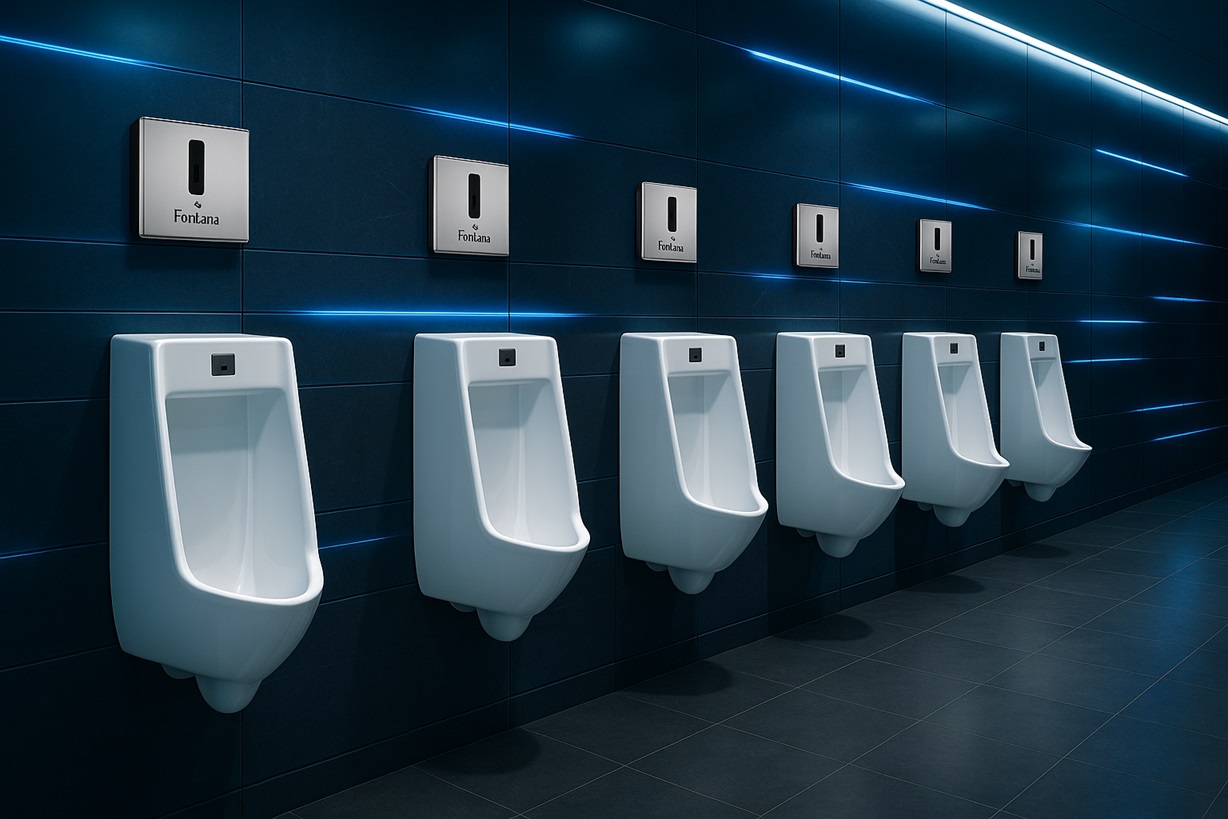
At minimum: fixture material and mounting, inlet and outlet configuration, compatible flush volume, exposed or concealed valve type, sensor and power method, operating pressure, accessibility mounting requirements, wall reinforcement, service access, finish, documentation and commissioning responsibilities.
Choose the fixture and flush valve as one coordinated system. A visually compatible pair may still fail if spud size, pressure, rough-in, power or flush volume is mismatched.
Match the urinal system to the building
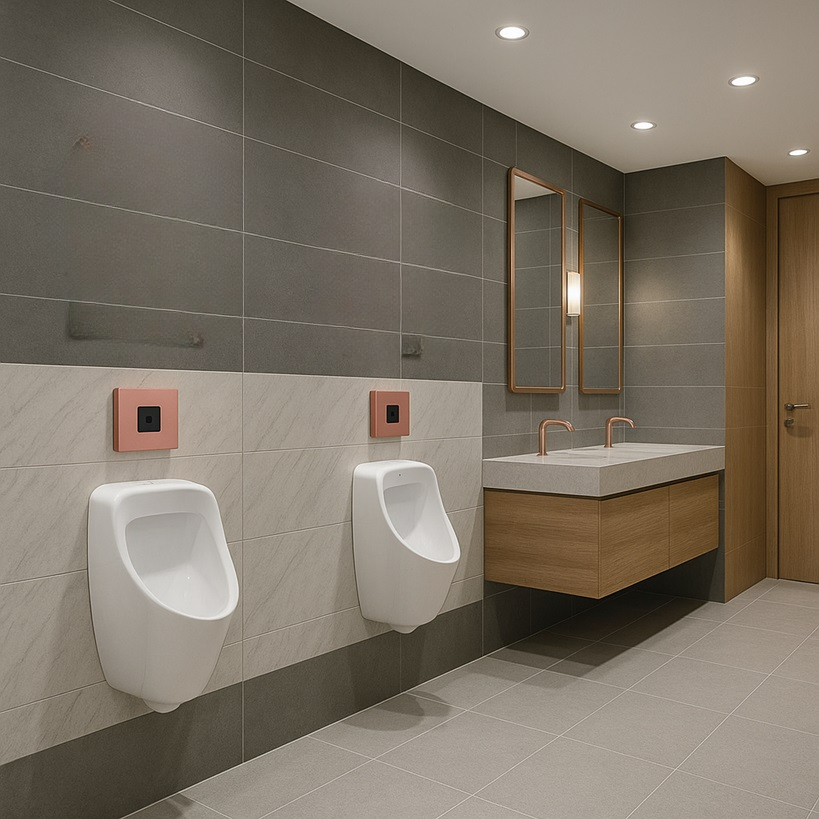
There is no universal “best” commercial urinal. The right system reflects traffic, abuse risk, maintenance staffing, wall construction and the design standard for the property.
| Application | Fixture direction | Flush-system direction | Priority to verify |
|---|---|---|---|
| Office / corporate | Wall-mounted ceramic or coordinated designer finish | Concealed sensor valve for a clean wall plane | Power access, acoustic behavior and finish continuity |
| Airport / transit | Stainless steel or robust commercial ceramic | Serviceable, tamper-resistant automatic system | Peak-flow pressure, front service and spare-parts plan |
| Hotel / luxury retail | Architectural black, metallic or decorative fixture | Concealed valve with coordinated faceplate | Finish samples, cleaning chemistry and replacement availability |
| School / public venue | Durable wall-mounted fixture | Protected sensor system with simplified service | Vandal resistance, supervision mode and maintenance access |
| Renovation | Fixture compatible with existing drainage and carrier | Exposed or battery-powered valve where rewiring is impractical | Field-verified rough-in, spud, stop and pressure |
Ceramic, stainless steel or architectural finish?
Material affects appearance, impact resistance, cleaning practice, procurement and long-term replacement strategy. Treat it as an operational choice as well as an aesthetic one.
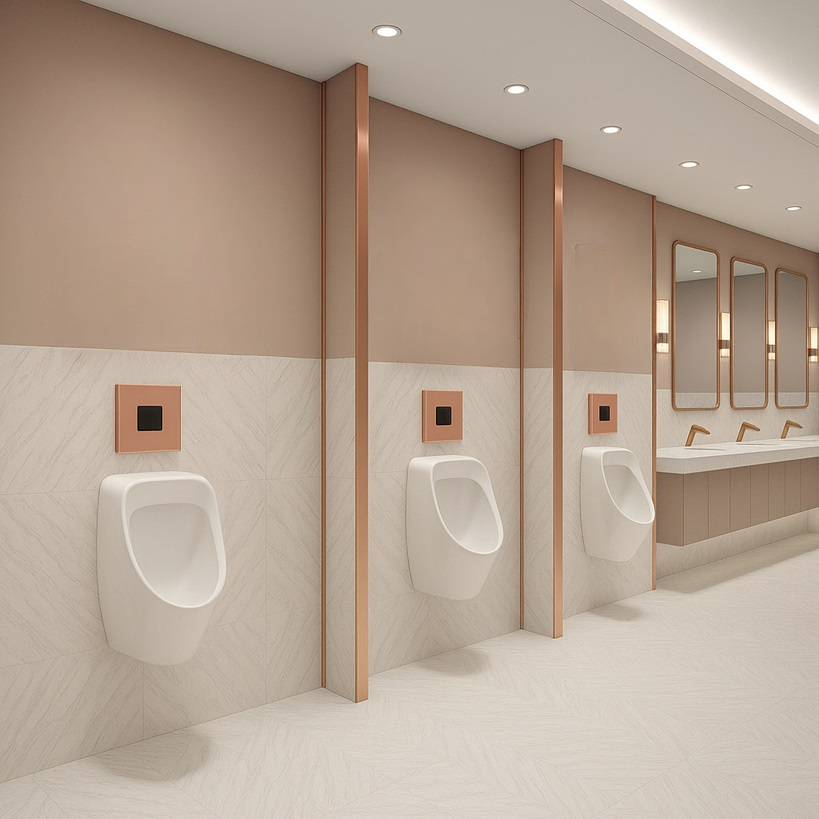
Exposed vs. concealed touchless flush systems
Exposed flushometers keep major components visible and may simplify retrofit access. Concealed systems protect the operating assembly and create a cleaner wall plane, but they require an intentional access strategy. For a detailed valve-level comparison, use the smart sensor urinal flush technology guide and the recessed flushometer performance guide.
| Criterion | Exposed valve | Concealed valve |
|---|---|---|
| Wall appearance | Visible body and piping | Low-profile sensor plate |
| Routine access | Direct access at fixture | Through a planned service opening or faceplate |
| Retrofit suitability | Often easier when existing connections align | May require wall and power coordination |
| Protection | More hardware exposed to occupants | Operating body protected within wall |
| Critical submittal checks | Spud, stop, dimensions and sensor clearance | Wall depth, box location, power and front service clearance |
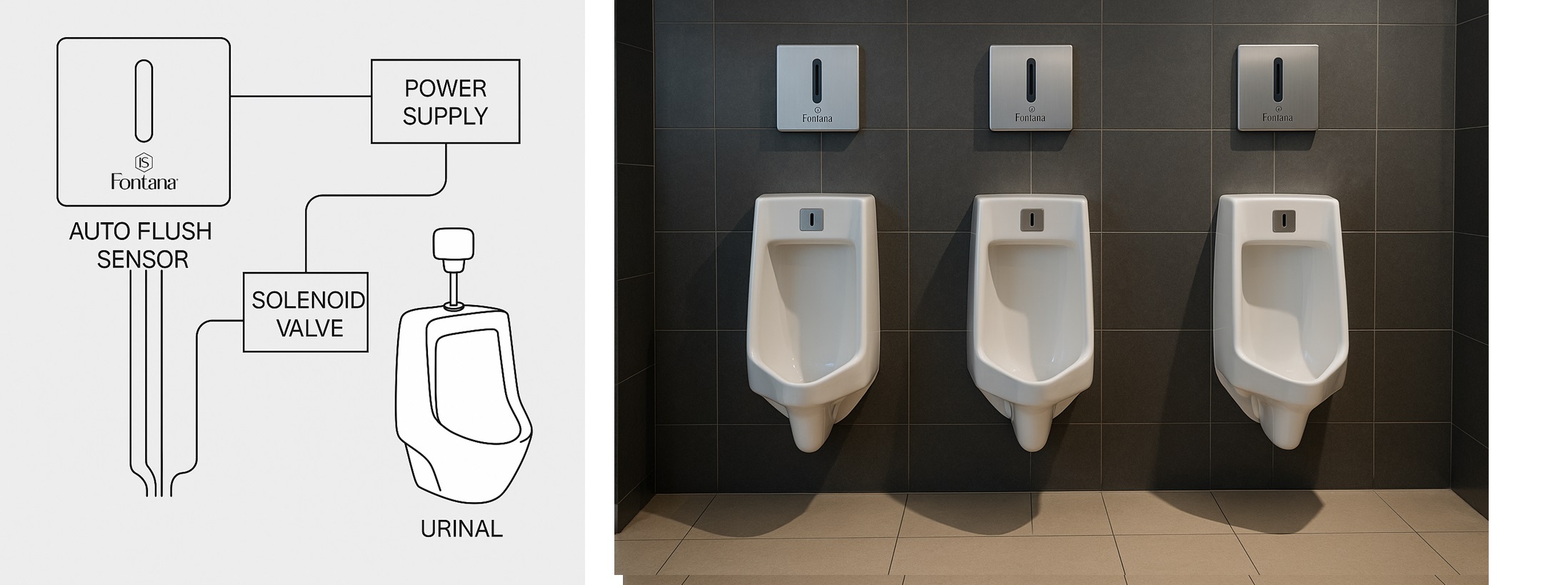
Commercial urinals and flush valves to compare
These examples were selected from current FontanaShowers product pages. Product names follow the live pages, including redirects from legacy workbook URLs. Confirm the latest cut sheet, dimensions, connection details and project requirements before specifying.
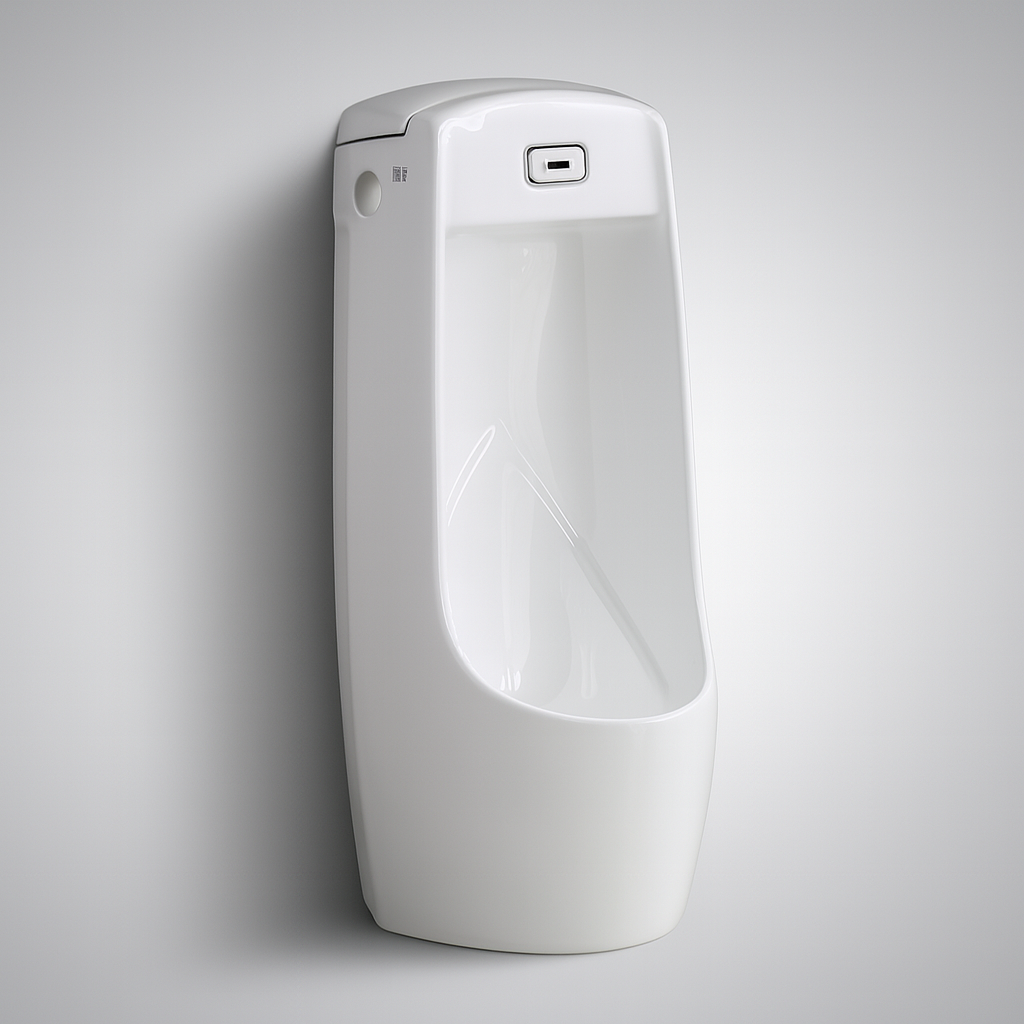
FontanaSculpt™ White Finish Touchless Urinal
A wall-mounted ceramic fixture with an integrated touch-free infrared flushing approach for contemporary commercial interiors.
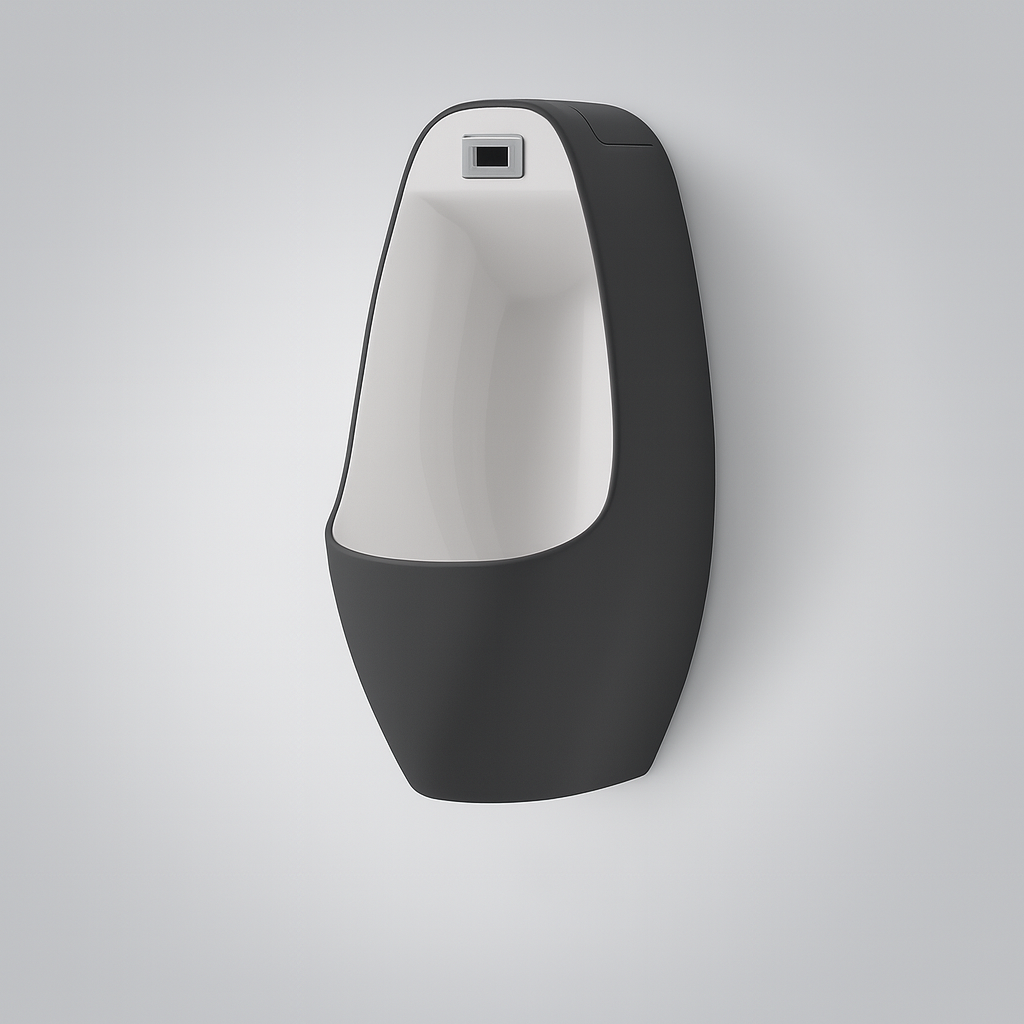
FontanaPure™ Matte Black Automatic Urinal
A design-led wall fixture with infrared activation and an AC electronic induction flushing system for commercial washrooms.
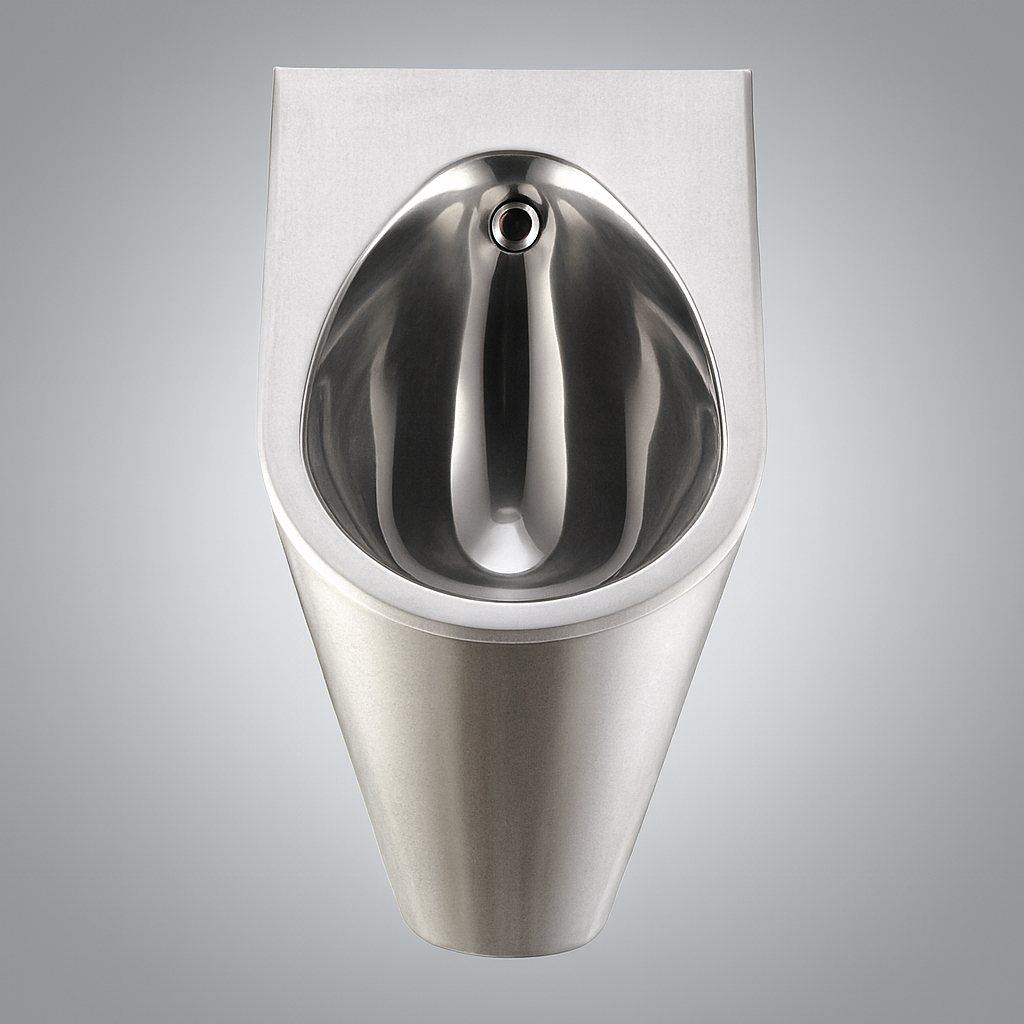
FontanaNova™ Silver Wall-Mounted Touchless Urinal
A space-conscious wall-mounted option with motion detection and a silver architectural finish for hospitality and commercial projects.
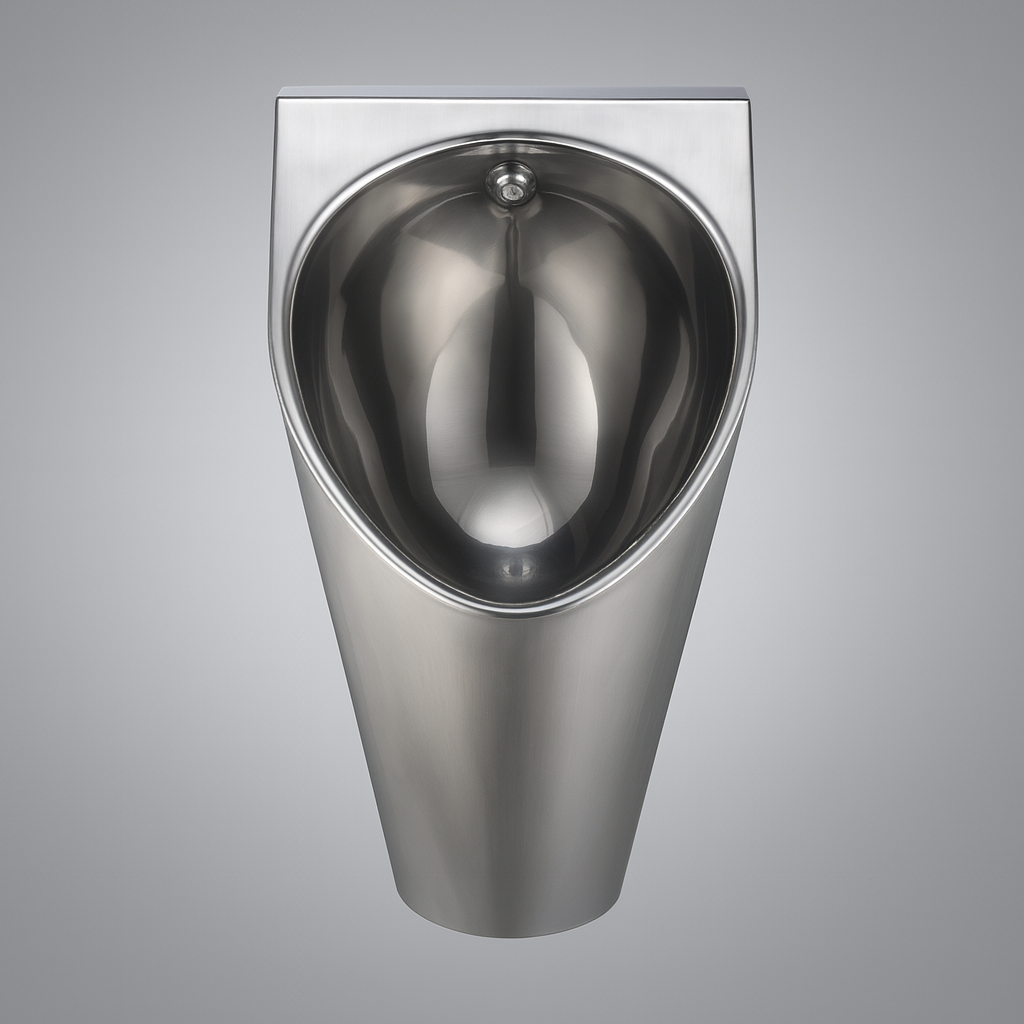
FontanaProShield™ Silver Male Urinal
A stainless steel, wall-mounted gravity-flush fixture intended for durable commercial installations and compact wall layouts.
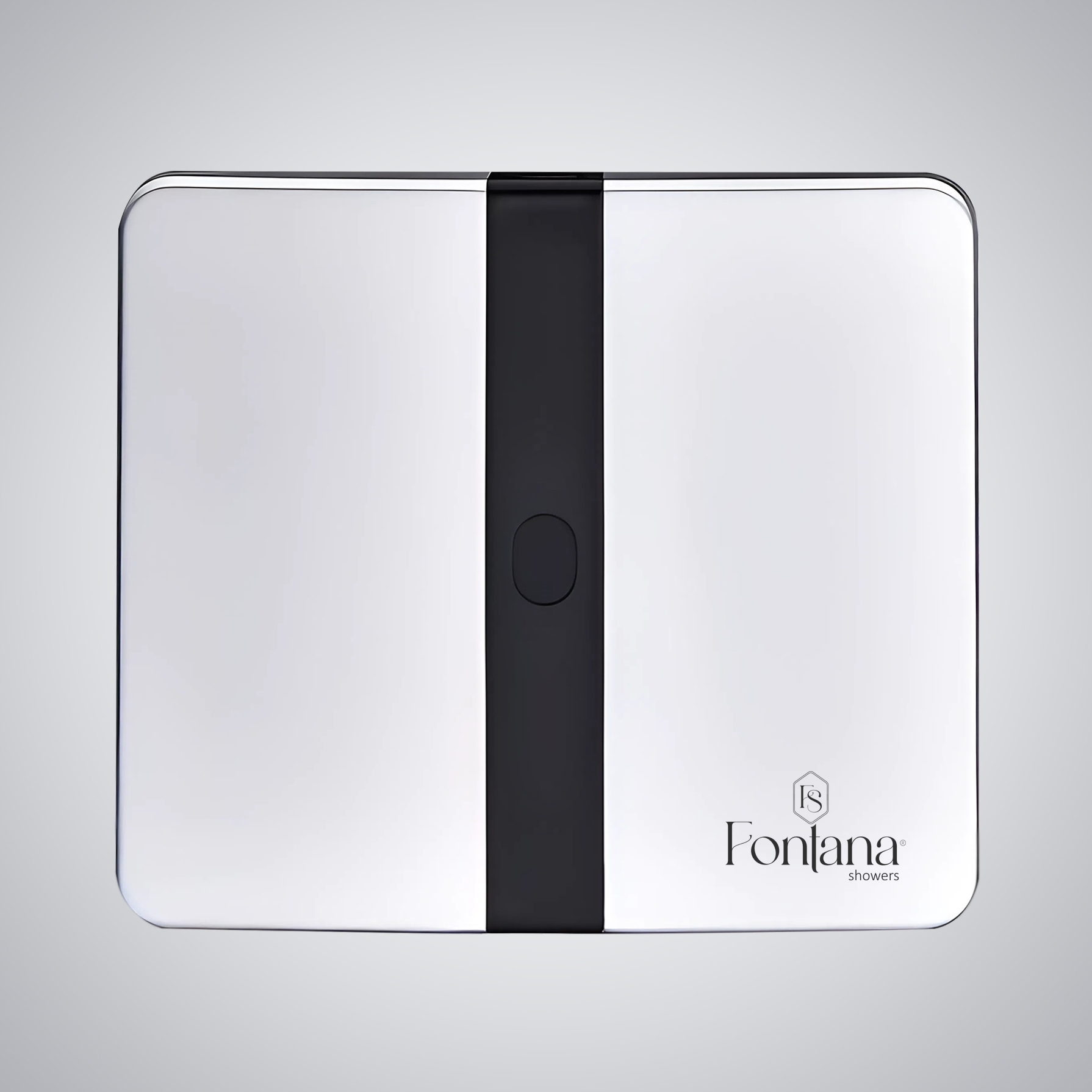
FontanaAqua Sentinel™ Chrome Touchless Urinal Flush Valve
A concealed 304 stainless steel faceplate system with automatic sensing and selectable DC or AC electrical configurations.
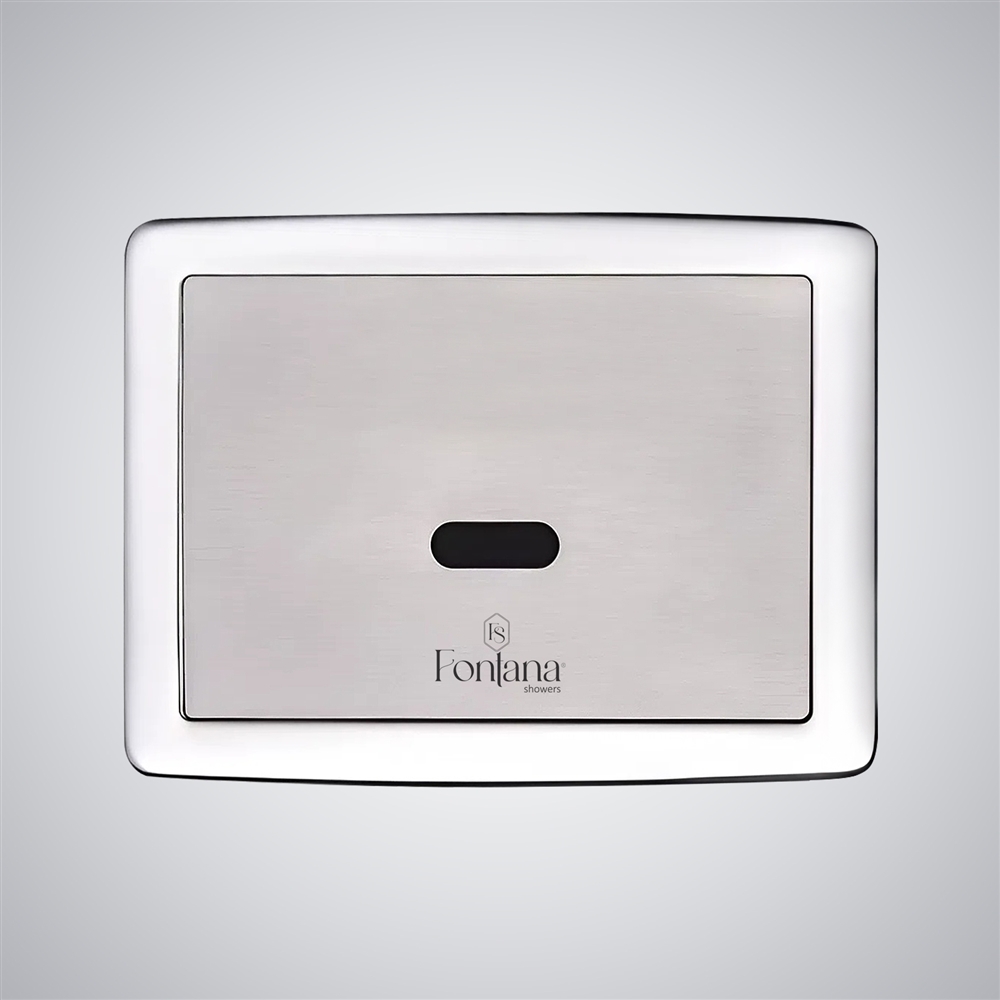
FontanaAura™ Illora Automatic Sensor Urinal Flush Valve
A satin-nickel concealed flush valve with a 304 stainless steel front plate for design-sensitive, high-traffic environments.
Before approving the urinal submittal
Use the manufacturer’s current technical documents—not marketing copy—as the final basis for construction. The specifier submittal package hub, installation resources and commercial flush systems hub can support coordination.
- Match fixture inlet, outlet and spud configuration to the selected valve.
- Confirm rated flush volume and available dynamic water pressure.
- Field-verify rough-in dimensions, carrier and wall reinforcement.
- Coordinate electrical source, transformer location or battery access.
- Preserve front or chase-side service access after finishes are installed.
- Check sensor sightline, partitions, mirrors and reflective surfaces.
- Set accessible units to the mounting and clearance requirements adopted locally.
- Obtain current cut sheets, installation instructions and warranty terms.
- Commission detection range, timing and leak-free operation at peak demand.
- Train facilities staff and establish approved spares and cleaning methods.
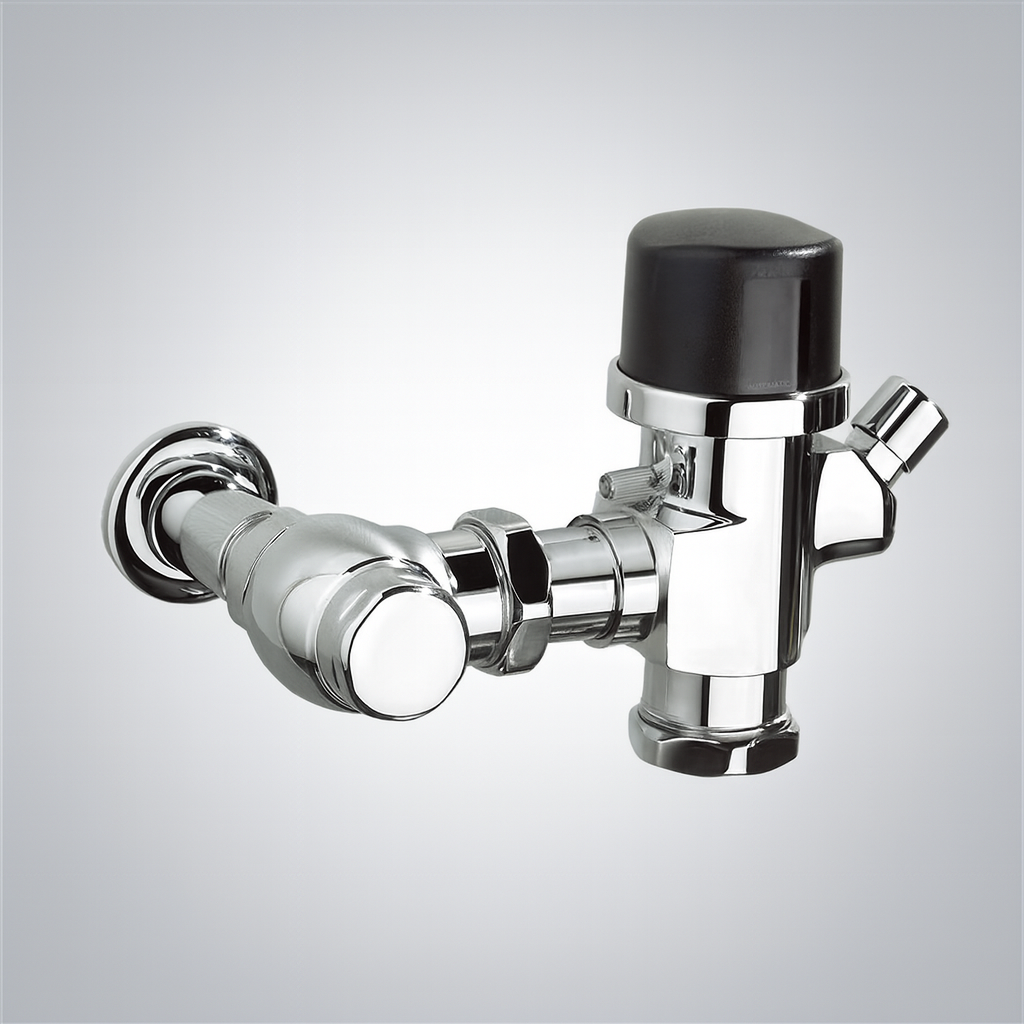
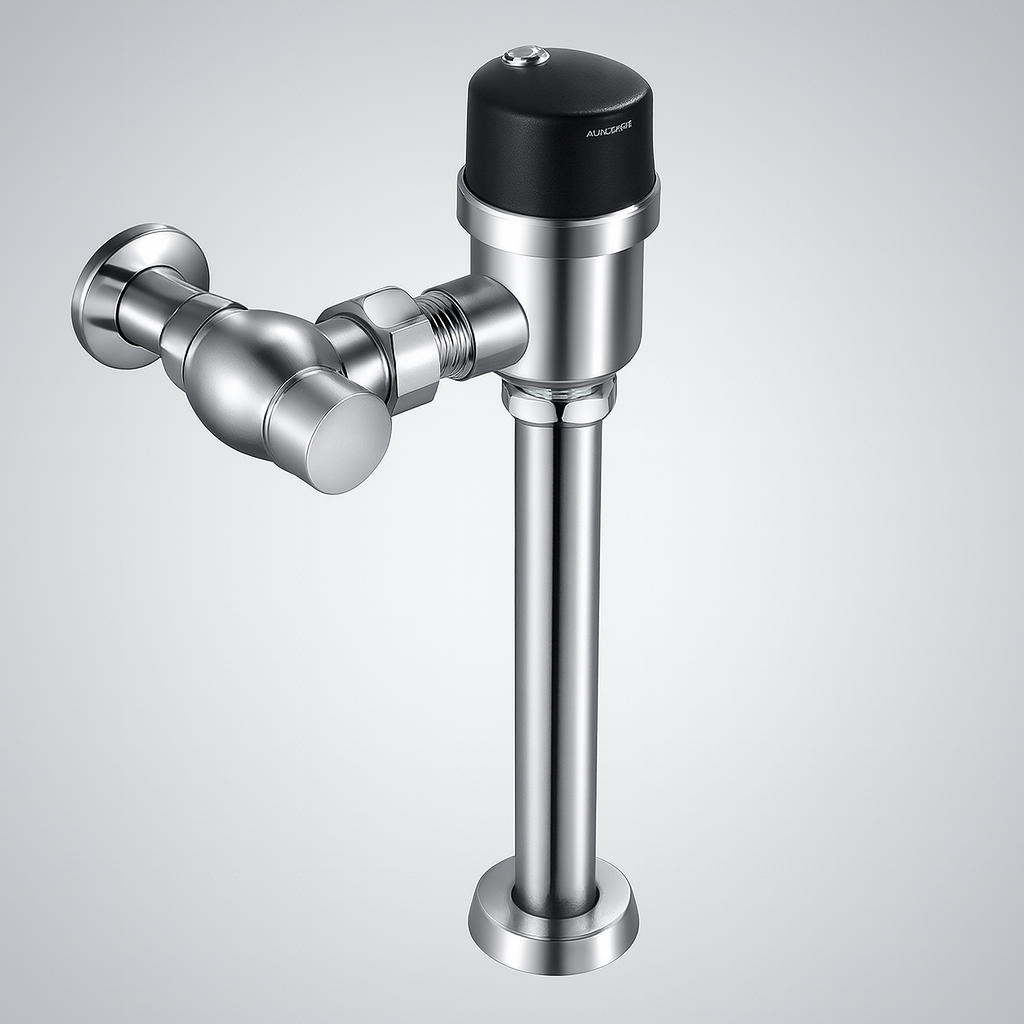
Compare four additional automatic valve formats
Use these examples to compare exposed hardware, concealed faceplates, flexible power and manual backup. The fixture, valve and connection details still must be approved as one system.



Need a different power or installation strategy?
The broader automatic range includes exposed, concealed, battery, hardwired and dual-control configurations. Compare current options in the automatic flush valve collection and urinal flush valve series.
For project selection, send the fixture model, traffic profile, inlet pressure, power preference, wall construction and required documentation with the request.
Commercial urinal specification FAQ
Are sensor urinals and sensor flush valves the same thing?
No. A sensor urinal may integrate sensing and flushing into the fixture, while a sensor flush valve is a separate operating component paired with a compatible urinal. Confirm the exact product architecture and connections.
Is a concealed flush valve always better?
No. Concealed systems protect components and create a cleaner wall plane; exposed systems can simplify retrofit and direct service access. The project’s wall construction, abuse risk and maintenance plan should decide.
Should commercial urinals be battery powered or hardwired?
Battery power can reduce retrofit electrical work. Hardwired power can reduce routine battery replacement across high-use portfolios. Compare access, traffic, outage strategy and maintenance staffing—not first cost alone.
What information should be field verified?
Verify supply location, dynamic pressure, drain and carrier rough-in, wall depth, spud size, stop location, power availability, sensor sightline and finished mounting height before release.
How should accessibility be addressed?
Coordinate fixture height, clear floor space, approach, partitions and operable components under the accessibility requirements adopted for the project. Use the current project code analysis and authority having jurisdiction.
Build a coordinated commercial urinal package
Compare fixtures and automatic valves, then request the current documentation needed for design review, submittal and installation coordination.