

How to Replace Bathroom Faucet
When you think about the most used areas in your home, the bathroom likely comes to mind. It’s a space that serves multiple essential functions daily. One of the key elements in any bathroom is the faucet. Over time, this fixture may need replacing due to wear and tear.
But here comes the main question: How to Replace a Bathroom Faucet. Don’t worry if you’re not a handyman. Replacing a faucet isn’t as tough as it seems. You can do it with patience, attention to detail, and the right approach. Whether you’re a DIY pro or a beginner, this guide will provide all the necessary information.
Before you start, it’s important to choose a suitable replacement. There are many options out there, each with unique features and designs. This guide will explore three types of faucets that could perfectly fit your bathroom.
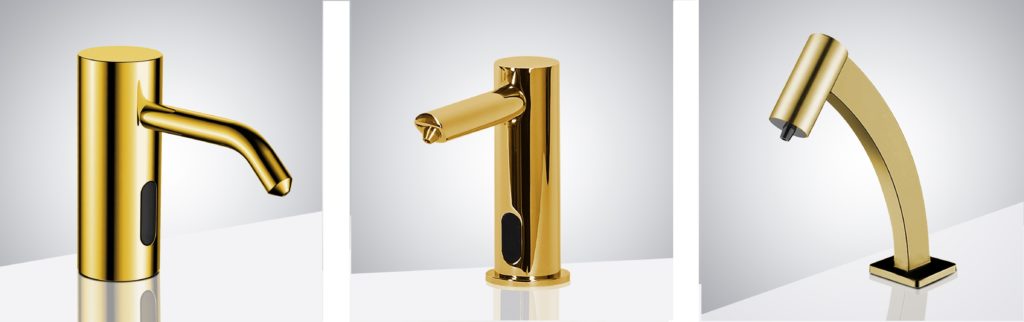
Fontana Sarzana Dual Handle Wall Mounted Bathroom Faucet
For those who love a modern touch, a dual-handle wall-mounted faucet is an excellent choice. It has two handles for hot and cold water, providing precise temperature control. The design saves counter space, making it great for smaller bathrooms or those who prefer a minimalist look.
Installing this type of faucet does require some basic plumbing knowledge since it involves mounting the faucet directly onto the wall. But once it’s up, you’ll have a sleek, stylish, and functional faucet that adds elegance to your bathroom.
When replacing this faucet, start by turning off the water supply. Then, unscrew the bolts to remove the existing faucet from the wall. Next, mount the new faucet onto the wall and attach the water lines. Be sure to check for leaks before tightening everything up.
Last but not least, consider the faucet’s durability. Look for a product that boasts high-quality construction and a finish that resists corrosion.
Removing the Old Faucet
Before you start, it’s essential to be familiar with the steps involved in replacing a bathroom sink faucet. This guide will help you remove your existing faucet without damaging the supply lines or sink.
Tools You Might Need:
- Faucet wrench
- Faucet change-out tool (for attaching and loosening supply lines)
- Cartridge puller (for removing frozen cartridges)
Preparing for the New Faucet
Step 1: Turn Off the Water Supply
- Locate the water supply valves under the sink and turn them off.
- Open the faucet to drain any remaining water in the pipes.
Step 2: Disconnect the Supply Lines
- Use the appropriate tools to disconnect the supply lines from the faucet.
Step 3: Remove the Drain
- If your faucet includes a matching drain, you’ll need to remove the existing one.
Step 4: Remove the P-Trap
- Place a bucket under the sink to catch water, then remove the P-trap.
Step 5: Disconnect the Drain
- Carefully disconnect the drain from the sink.
Step 6: Clean Up Around the Old Drain
- Ensure the area around the old drain is clean and ready for the new installation.
Installing the New Faucet
Step 1: Insert the Faucet Through Mounting Holes
- Align the faucet gasket with the sink holes.
- Insert the faucet through the mounting holes and secure it by tightening the nuts.
Step 2: Install the Drain Body and Rubber Washer
- Place the drain body and rubber washer through the top of the sink.
- Apply silicone between the rubber gasket and the bottom of the sink.
- Secure with a lock nut and clean any excess silicone with mineral spirits.
Step 3: Insert the Ball Rod
- Insert the ball rod into the drain assembly and tighten the sleeve.
- Insert the lift rod into the faucet.
- Connect the lift rod to the lift rod strap and ensure the ball rod is in the down position.
Step 4: Connect the Supply Lines and Install the Sink
- Before setting the sink in place, connect the supply lines to the faucet shanks.
- Install the sink and connect the supply lines to the water valves.
Step 5: Flush the Faucet and Check for Leaks
- Remove the aerator from the faucet.
- Run hot and cold water for one minute to flush the system.
- Check all connections for leaks and retighten if necessary.
- Replace the aerator.
Shop for Fixtures
By following these steps, you can successfully replace your bathroom sink faucet and ensure everything is working correctly.
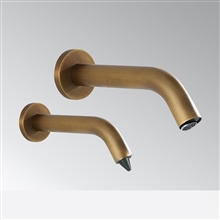
Fontana EcoPower Single Hole Bathroom Faucet
The EcoPower single-hole bathroom faucet is another fantastic option. Known for its simplicity and user-friendliness, it has just one handles controlling both the temperature and water flow. It’s practical and fits into any bathroom.
One of the standout features of this faucet is its eco-friendly design. Some models come with a water-saving feature that reduces water use without compromising performance. This can help you save water bills over time.
To replace an EcoPower single hole faucet, first turn off the water supply. Then, disconnect the water lines from the old faucet. After removing the old faucet, place the new one in the hole and reconnect the water lines. As always, double-check for leaks before securing everything in place.
Its compact design also makes it suitable for smaller bathrooms. And the installation process is relatively straightforward since it only requires one hole in the sink.
Fontana Hot and Cold Bathroom Sink Faucet
Finally, we have the hot and cold bathroom sink faucet. This style typically comes with two handles for controlling the temperature and water flow. It’s a classic design that blends well with any bathroom decor.
One of the key benefits of this type of faucet is its versatility. It can be installed on various types of sinks, including undermount, drop-in, and vessel sinks. The installation involves connecting the faucet to the existing plumbing lines beneath the sink.
To replace a hot and cold bathroom sink faucet, turn off the water supply. Then, disconnect the water lines from the old faucet and remove it from the sink. Next, place the new faucet in the appropriate holes and reconnect the water lines. Be sure to check for leaks before finally tightening all the connections.
Consider the material and finish when choosing a hot and cold bathroom sink faucet. Stainless steel and chrome are two popular options due to their durability and easy maintenance.
Notes
Replacing a bathroom faucet can give your bathroom a fresh new look. Whether you choose a dual-handle wall-mounted faucet, an EcoPower single hole faucet, or a traditional hot and cold faucet, each offers unique advantages.
When choosing, consider factors like design, ease of installation, eco-friendliness, and durability. With some thought and effort, you’ll have a new faucet that not only enhances the functionality of your bathroom but also its aesthetic appeal.
